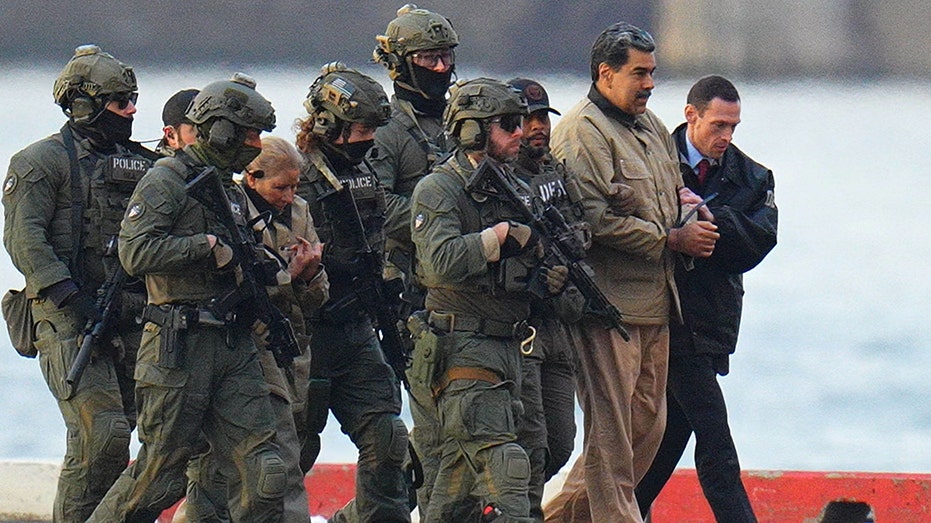
The legal battle for former Venezuelan President Nicolás Maduro took a dramatic turn as the U.S. government moved to cut off funding for his defense. Accused of federal drug trafficking and weapons charges, Maduro now faces the prospect of navigating a complex American legal system without the financial backing of his homeland.
Maduro and his wife, Cilia Flores, entered not guilty pleas in a New York federal court on January 5th, just days after a surprising capture by American forces at the presidential palace in Venezuela. The circumstances surrounding their apprehension have fueled international debate, adding another layer of complexity to the unfolding legal saga.
According to a letter from Maduro’s attorney, Barry Pollack, the U.S. is actively preventing the Venezuelan government from covering the mounting legal fees. Pollack argues this action effectively denies Maduro a fair defense, as he lacks the personal resources to afford adequate counsel.
Venezuelan law and custom dictate that the government bears the responsibility for funding the legal expenses of the President and First Lady, Pollack asserted. This established practice is now colliding with U.S. sanctions and a series of licensing decisions that have dramatically altered the financial landscape of Maduro’s defense.
Initially, the Treasury Department’s Office of Foreign Assets Control (OFAC) granted licenses to both Maduro and Flores, permitting representation and payment of legal fees. However, Maduro’s license was unexpectedly amended, stripping away the provision allowing the Venezuelan government to fund his defense – a change made without explanation.
Flores’ license remains unaffected, creating a stark disparity in their legal positions. Pollack contends that OFAC’s actions constitute a direct interference with Maduro’s Sixth Amendment right to counsel of his choosing, a cornerstone of the American justice system.
Despite repeated requests, OFAC has remained unresponsive to Pollack’s plea to reinstate the original license. The attorney has warned of impending legal action if the situation isn’t rectified, signaling a potential showdown between the defense team and the U.S. government.
The capture of Maduro on January 3rd involved a U.S. military operation within Caracas, Venezuela, culminating in his transport to New York and subsequent detention in a federal jail. The operation itself was a bold and controversial move, raising questions about international law and sovereignty.
Maduro faces a formidable array of charges, including narco-terrorism conspiracy, cocaine importation conspiracy, and weapons violations. The accusations paint a picture of a leader deeply involved in illicit activities, allegations he vehemently denies.
Cilia Flores also faces serious charges, including cocaine importation conspiracy and weapons-related offenses. The couple’s legal fates are now intertwined within the American judicial system, a far cry from the power they once wielded in Venezuela.
![DEMOCRATS EXPOSED: SOTU ATTENDEE UNLOADS SCATHING BETRAYAL! [VIDEO]](https://www.thegatewaypundit.com/wp-content/uploads/2026/02/ajua-mason-1200x630.jpg)


