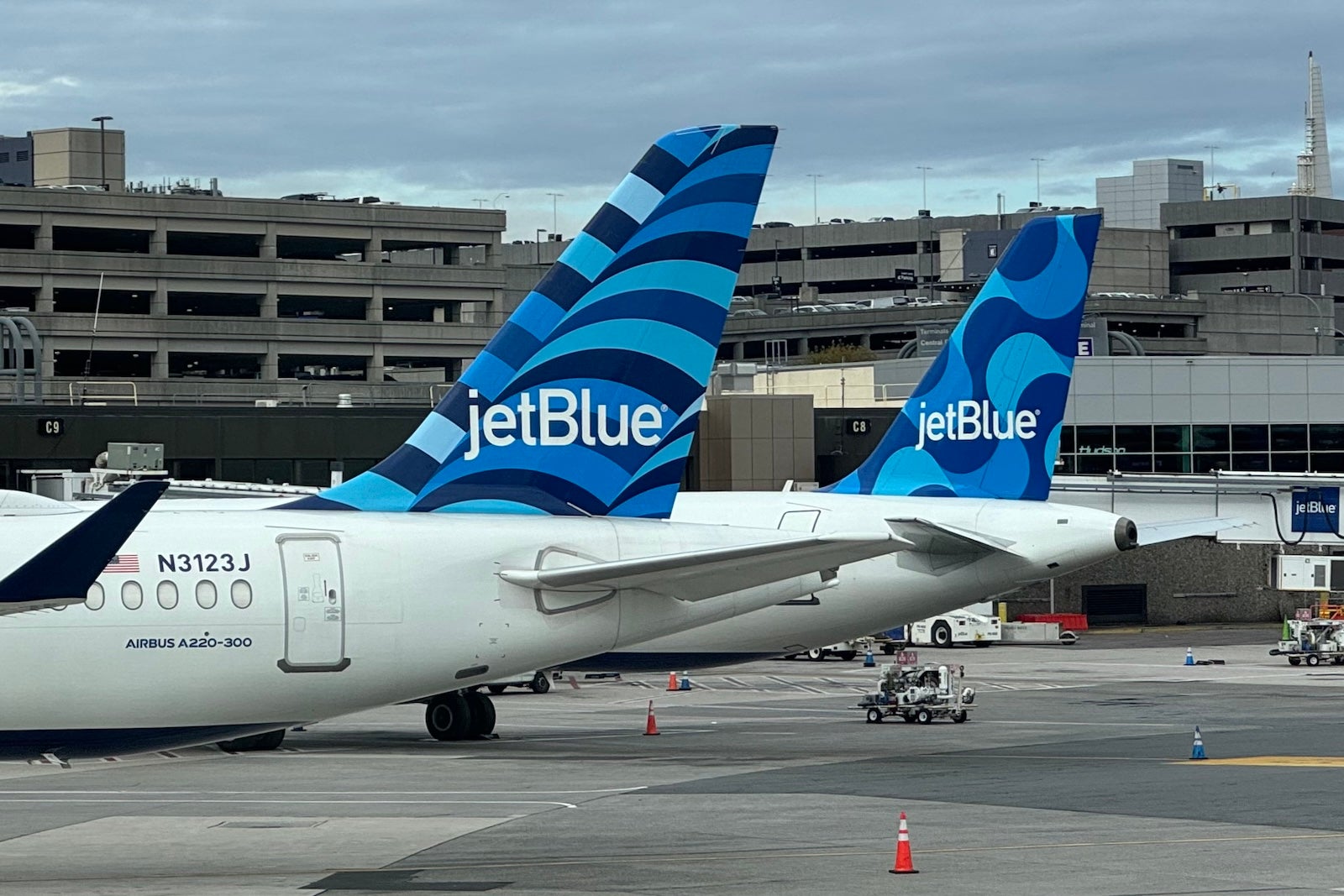
JetBlue Airways is recalibrating its route network, ending service to Asheville, North Carolina, and Belize City, Belize, as part of a broader strategic shift. These cuts represent a deliberate move away from underperforming routes, signaling a focus on sustainable profitability for the airline.
The decision to discontinue flights to Asheville Regional Airport and Philip S. W. Goldson International Airport in Belize City wasn’t sudden. Both destinations, added to JetBlue’s map in recent years, simply didn’t meet the airline’s internal performance benchmarks. Resources will now be redirected to routes demonstrating stronger potential.
This isn’t an isolated incident. JetBlue has been systematically streamlining its network, previously cutting service to fifteen other cities including Bogota, Colombia, Baltimore, and Minneapolis. The airline is actively reshaping its footprint to prioritize financial health.
The overarching plan, dubbed “JetForward,” aims to generate nearly a billion dollars in additional operating profit by 2027. This ambitious goal involves not only route adjustments but also investments in premium experiences like the new BlueHouse lounge and strategic partnerships, including one with United Airlines.
While retracting from some markets, JetBlue is simultaneously expanding in others. Fort Lauderdale-Hollywood International Airport is poised for significant growth, with a projected 35% increase in seats through the first half of 2026.
New non-stop flights from Fort Lauderdale to Dallas Fort Worth and Orlando are fueling this expansion. This growth is particularly notable as Spirit Airlines, a major player at Fort Lauderdale, navigates a restructuring process under bankruptcy protection.
Overall, JetBlue anticipates a systemwide capacity increase of 2.5% to 4.5% this year, measured in available seat miles. This demonstrates a commitment to growth, even as the airline carefully curates its route network.
The impact of ending service to Asheville and Belize City on JetBlue’s broader 2026 plans is expected to be minimal. These routes represented a very small fraction of the airline’s total seat capacity, allowing for a focused reallocation of assets.
These changes reflect a larger trend within the airline industry: a renewed emphasis on profitability and efficiency. JetBlue’s strategic adjustments are designed to position the airline for long-term success in a competitive landscape.