The fate of restaurateur Adam Skelly remains uncertain as a legal battle, ignited by a defiant act of rebellion during the height of pandemic restrictions, continues to unfold. After closing arguments concluded, Judge Janet Leiper announced she requires time to carefully consider the complex legal issues surrounding Skelly’s actions at his Etobicoke eatery over five years ago.
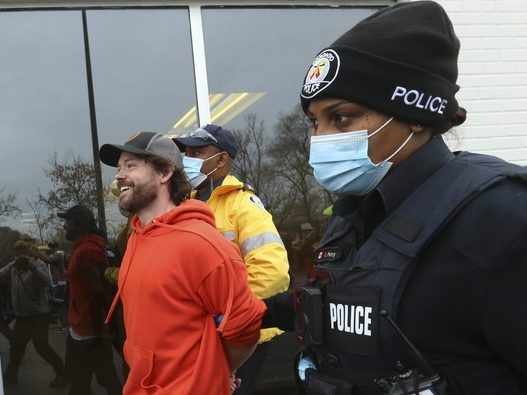
At the heart of the case lies the “Barbecue Rebellion” of November 2020, when Skelly openly defied lockdown orders and served meals at Adamson Barbecue. The city responded swiftly, deploying police and changing the locks on his establishment. When Skelly re-entered his own property, he faced arrest and over 30 hours of detention – actions his lawyer argues were a clear violation of his Charter rights.
The city is now seeking $187,000 from Skelly to cover “policing costs” incurred during the standoff. However, the outcome of this case has far-reaching implications, potentially impacting ongoing criminal matters against him. The courtroom has become a battleground over the limits of government power and the fundamental freedoms guaranteed to citizens.
Skelly’s lawyer, Ian Perry, forcefully argued that the Crown failed to demonstrate the restrictions imposed on his client were “reasonable,” a critical component of Section 1 of the Charter, which allows for limitations on rights. He asserted that the government hadn’t proven Skelly’s restaurant posed a significant enough threat to justify such drastic measures.
Perry presented data showing the restaurant and bar industry accounted for a mere .05% of pandemic cases during the first year, and crucially, that *no* cases were linked to Adamson Barbecue itself. He challenged the logic of selectively locking down regions like Toronto and Peel while allowing restaurants elsewhere in Ontario to remain open, stating, “Your charter rights don’t depend on your postal code.”
The Crown countered that suggesting an alternative pandemic response wasn’t the responsibility of the applicant, but rather the government’s. They also dismissed the notion that Skelly’s reopening wasn’t a deliberate act of protest, a claim Perry vehemently rejected. “Compliance does not denote an expression, but peaceful defiance certainly does,” he declared, emphasizing the palpable dissent of the time.
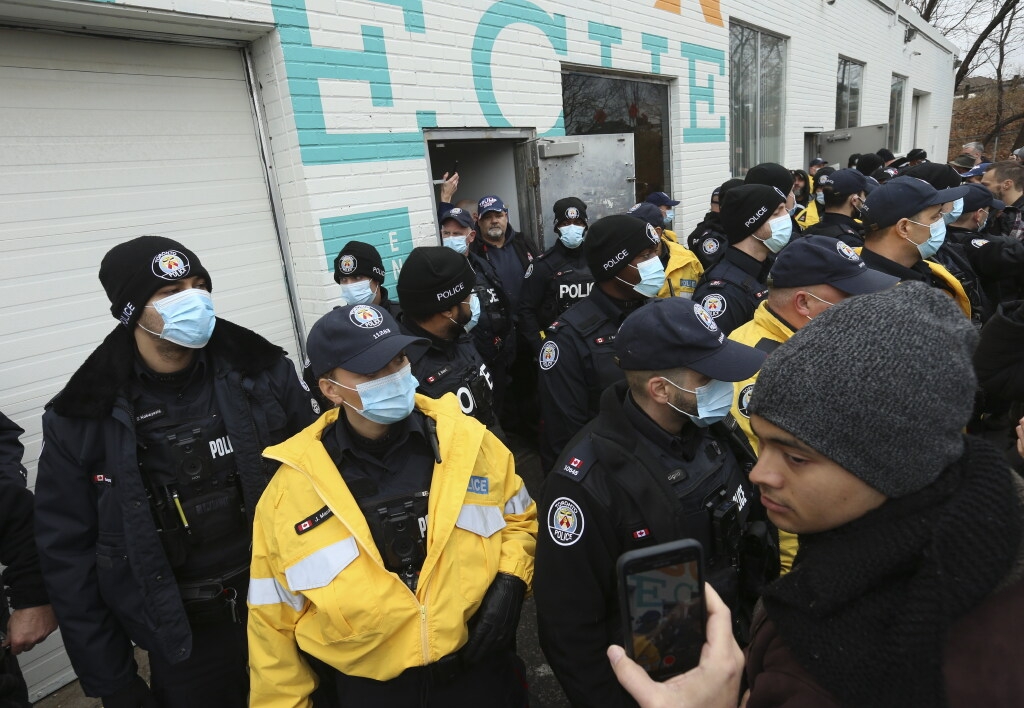
During proceedings, Judge Leiper questioned the city’s approach, asking if less restrictive measures than a complete lockout could have been employed. When the city’s lawyer argued Skelly had “chosen to flaunt” the rules, Leiper responded with a pointed question: “You can have the authority… but does that mean you can demolish the building? … There must be limits.”
The city’s lawyer conceded the use of trespass law against Skelly was unprecedented, but maintained that “unprecedented doesn’t mean unlawful” in the extraordinary circumstances of the pandemic. The legal arguments delved into complex precedents and the precise authority granted to Toronto’s medical officer of health, Dr. Eileen De Villa.
The case frequently referenced the recent Supreme Court decision in *Taylor v. Newfoundland and Labrador*, involving a woman denied entry to her mother’s funeral. While the court ultimately found the restriction reasonable under the Charter, the parallels to Skelly’s case were undeniable. The courtroom, filled with Skelly’s supporters, stood in stark contrast to the lively atmosphere that once characterized his restaurant during the rebellion.
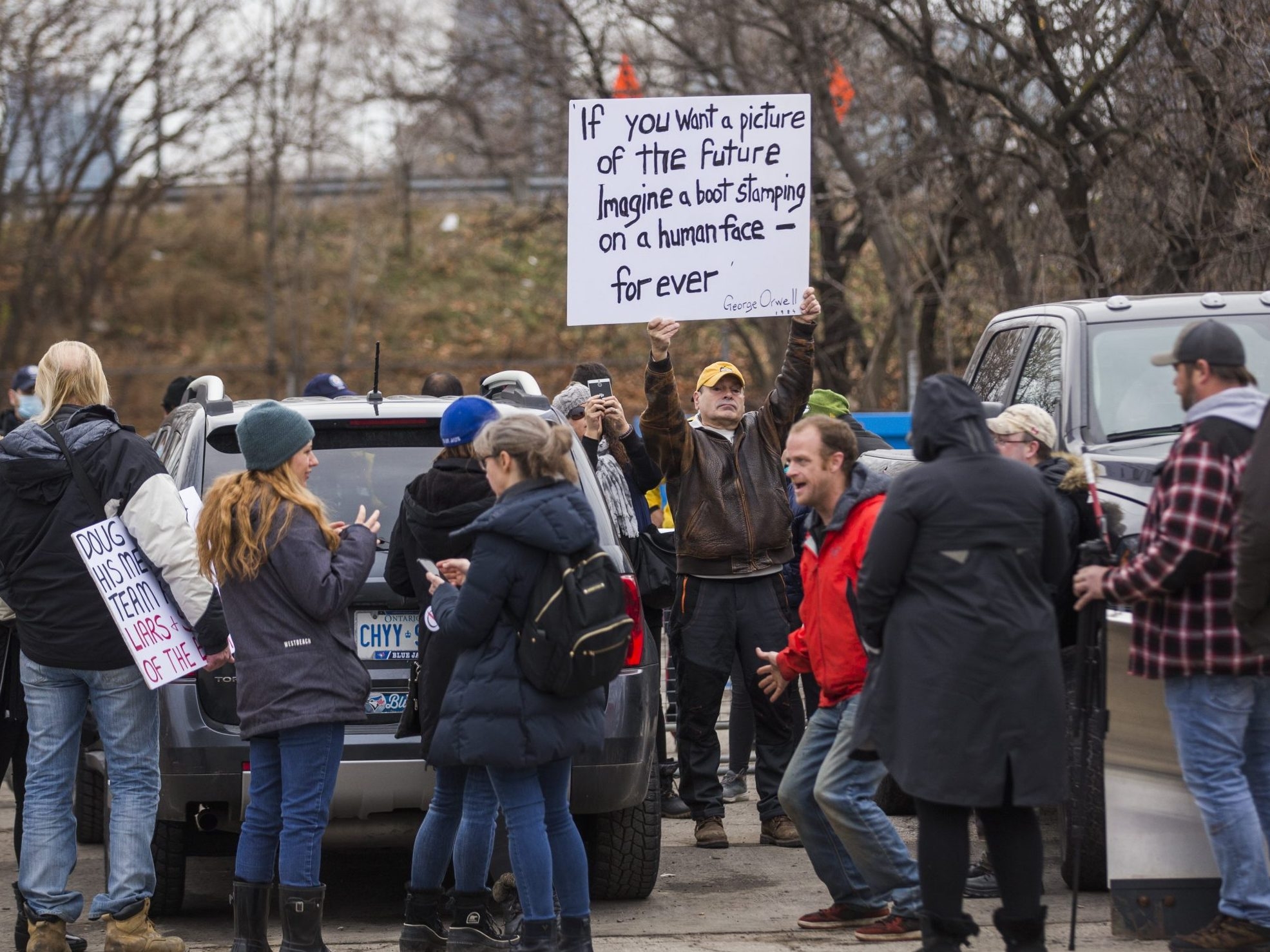
Judge Leiper offered no timeline for her decision, leaving Skelly and his supporters in a state of anxious anticipation. The outcome will not only determine Skelly’s financial liability but also set a crucial precedent regarding the balance between public health measures and individual liberties during times of crisis.
The *Taylor* case, a recent ruling by the Supreme Court of Canada, has become a focal point in the legal debate. Kimberley Taylor, a Newfoundland native living in Nova Scotia, was initially denied entry to her mother’s funeral in May 2020 due to provincial travel restrictions.
Despite eventually being allowed to attend the funeral, Taylor challenged the initial refusal, arguing it violated her mobility rights under the Charter. The Supreme Court ultimately sided with the province, finding the infringement on Taylor’s rights was “reasonable” under Section 1 of the Charter, which allows for limitations on freedoms in certain circumstances.
This ruling, though recent – delivered on February 13th – has become a key point of contention, with both sides in the Skelly case referencing its implications for the balance between public safety and individual rights. The legal arguments surrounding both cases highlight the delicate and complex nature of navigating constitutional freedoms during a public health emergency.