The desert air hung thick with tension as an American pilot, having ejected from his F-15, found himself surrounded. Not by rescuers, but by armed men. The astonishing scene unfolded in Kuwait, a consequence of a chaotic clash during an Iranian assault – a chilling instance of friendly fire. His immediate instinct? A simple, desperate declaration: “I’m OK.”
Six US Air Force personnel survived the harrowing incident, parachuting to safety as their aircraft were struck. One pilot’s encounter was particularly fraught. Approached by locals brandishing AK-47s, initially believing him to be Iranian, he surrendered, a gesture of trust in a moment of extreme uncertainty. A local offered a simple pipe, a small act of humanity amidst the potential for conflict.
Elsewhere, a female pilot stood alone in the vast expanse of the Kuwaiti desert. A man cautiously approached, his concern evident. “You’re fine? Really? Do you need something to help you?” he asked. Her reply, a quiet reassurance, cut through the fear: “No, I’m OK.” His response was a wave of relief: “No problem, you’re safe… Everything good.”

The pilots, flying F-15E Strike Eagles capable of nearly 2,000mph, were in stable condition after being recovered. The incident occurred during a large-scale attack by Iran, utilizing aircraft, missiles, and drones. Iranian state television even claimed responsibility for downing one of the US planes, adding another layer to the unfolding drama.
Witnesses described seeing a plane plummet from the sky in flames, an airman descending by parachute. One observer, initially assuming it was an Iranian pilot, quickly realized the truth before rescuers arrived. The situation was fluid, dangerous, and underscored the precariousness of the moment.
In a remarkable effort to ensure safe passage, US pilots carried messages printed in local languages, offering rewards for assistance. These pleas for help detailed basic needs – food, water, shelter, medical attention – and a promise of compensation for aiding their return to friendly forces. It was a desperate gamble, relying on the goodwill of strangers in a volatile environment.

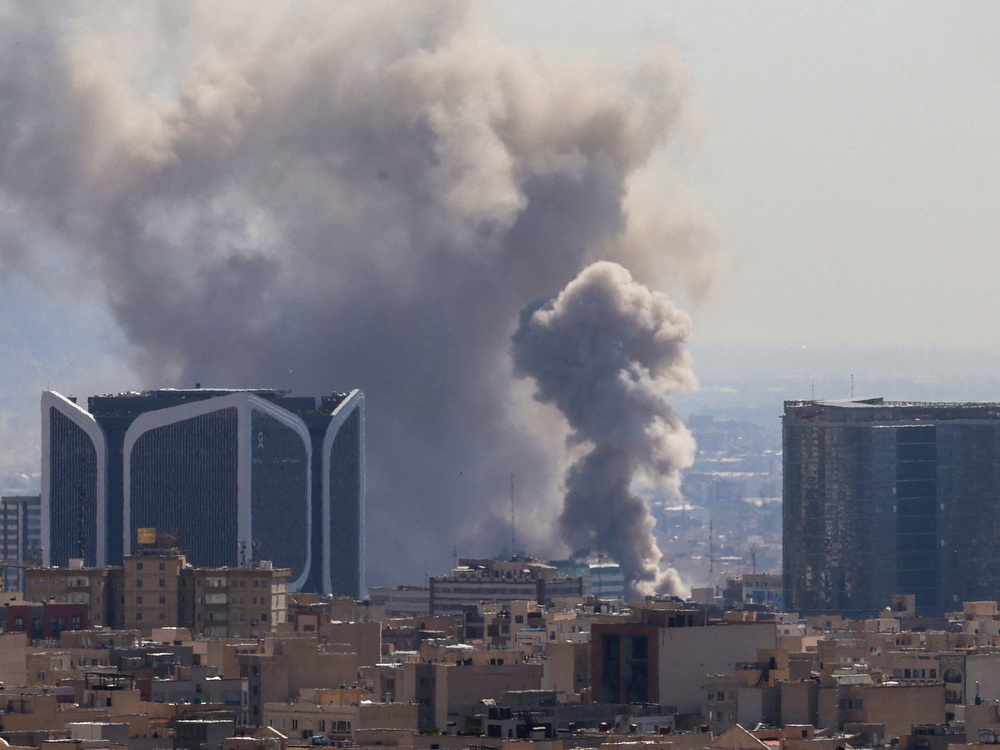
The broader conflict escalated rapidly. Reports indicated significant casualties on both sides, with the Iranian Red Crescent Society claiming over 550 deaths. Four American troops were also lost, alongside casualties in the United Arab Emirates, Kuwait, and Bahrain. The region teetered on the brink of a prolonged and devastating war.
Even seemingly safe havens like Dubai were not immune, experiencing incoming fire. Hundreds of thousands of airline passengers found themselves stranded, oil prices surged, and US allies pledged support to counter Iranian aggression. The situation demanded a swift and decisive response, but the path forward remained shrouded in uncertainty.
The intensity of the attacks, coupled with the potential for widespread devastation, set the stage for a conflict with far-reaching consequences. The unfolding events painted a stark picture of a region on the precipice, where a single moment of miscalculation could ignite a wider, more catastrophic war.