The recent strikes against Iran have ignited a dangerous new phase, raising the specter of retaliatory attacks not confined to the Middle East. Intelligence experts warn that a wave of violence, potentially reaching Canadian and American soil, is now a very real possibility.
The first chilling sign emerged in Richmond Hill, Ontario, where seventeen bullets ripped through the windows of Saliwan Boxing Club. The club’s owner, a vocal critic of the Iranian regime, fears this wasn’t random vandalism, but a deliberate intimidation tactic – a warning to those who dare to speak out.
This incident comes against a backdrop of growing concern over the presence of Iranian regime loyalists within Canada. Estimates suggest hundreds of members of the Islamic Revolutionary Guard Corps, a designated terrorist group, have quietly established a foothold in the country, alongside students sent to study and potentially build networks.
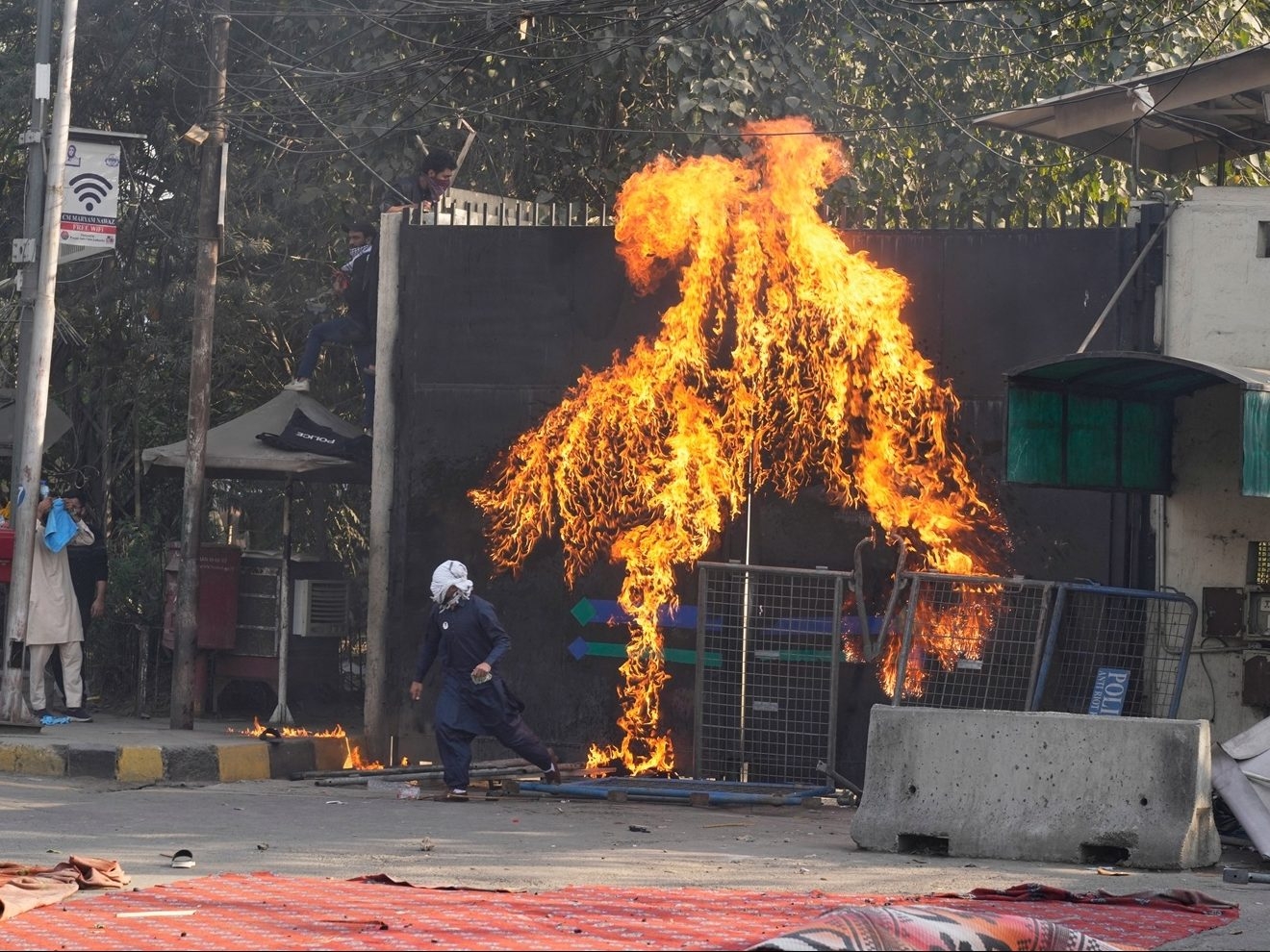
The situation is further complicated by a surge in pro-Iran demonstrations across North America. Many of the same individuals and groups who have rallied against Israel have now appeared at rallies supporting Iran, raising fears of a coordinated effort to destabilize and intimidate.
In Austin, Texas, police are investigating potential terrorist links to a recent shooting at a bar, where two people were killed and fourteen injured. The shooter was wearing a T-shirt displaying the Iranian flag, a disturbing detail that has heightened anxieties.
Experts believe Iran’s primary focus is now survival, and that could translate into a global campaign of asymmetric warfare. Cyberattacks are considered the most likely initial response, but the threat of traditional terrorist attacks – reminiscent of Iran’s tactics decades ago – is rapidly escalating.
Targets could include individuals and locations in South Asia, Latin America, Africa, and, crucially, the United States and Israel. The potential for “lone wolf” attacks, fueled by radicalization and anti-American sentiment, is also a significant worry.
The case of Muhammad Shahzeb Khan, accused of plotting an attack on Jewish communities in New York City after crossing the border from Canada, serves as a stark reminder of this vulnerability. Simultaneously, a trial is underway in New York involving a Pakistani national allegedly backed by Iran, accused of plotting to assassinate American political figures.
The United States is already on high alert, and Canada must now prepare for a similar level of threat. The possibility of sleeper cells being activated, combined with the risk of homegrown radicalization, demands heightened vigilance and a proactive security response.