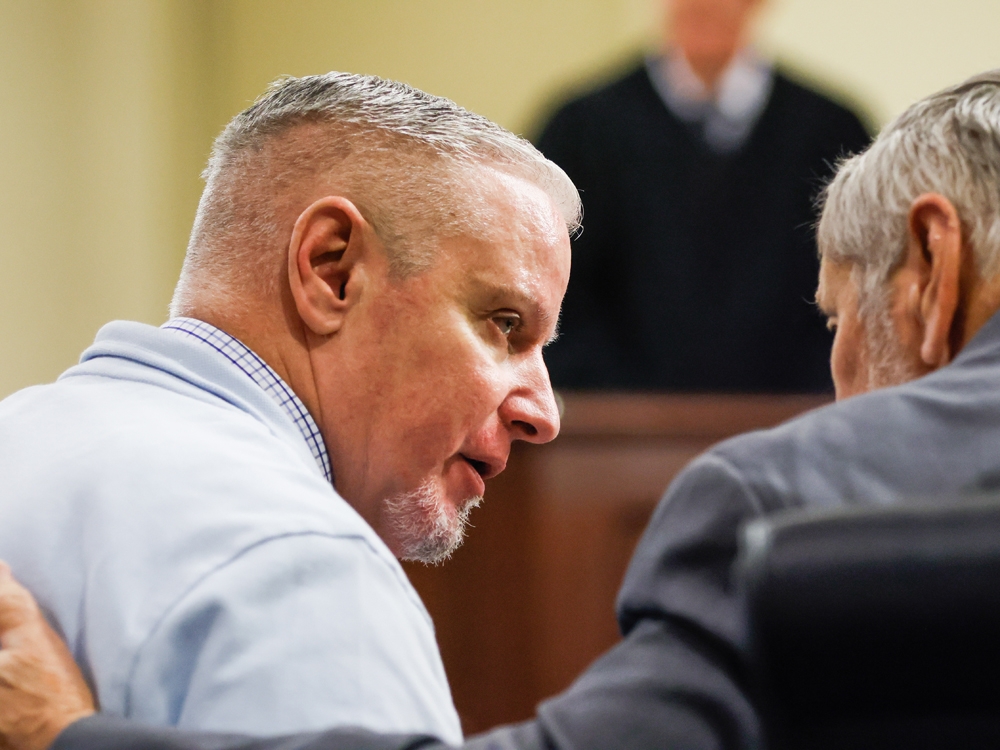
Benedetto Santapaola, a name whispered with dread throughout Sicily, is dead. The notorious Mafia boss, known as “Nitto,” passed away in prison at the age of 87, finally silencing a man who orchestrated decades of brutal violence and shook the foundations of Italian justice.
Santapaola’s rise began in the 1970s within the criminal underworld of Catania. He quickly earned the chilling nickname “il cacciatore” – the hunter – a testament to his ruthless efficiency and calculated pursuit of power within the Sicilian Mafia.
The weight of numerous crimes shadowed his ascent. In 1984, he was convicted for the murder of journalist Pippo Fava, a fearless voice challenging the Mafia’s grip on the region. This was merely a prelude to even greater atrocities.
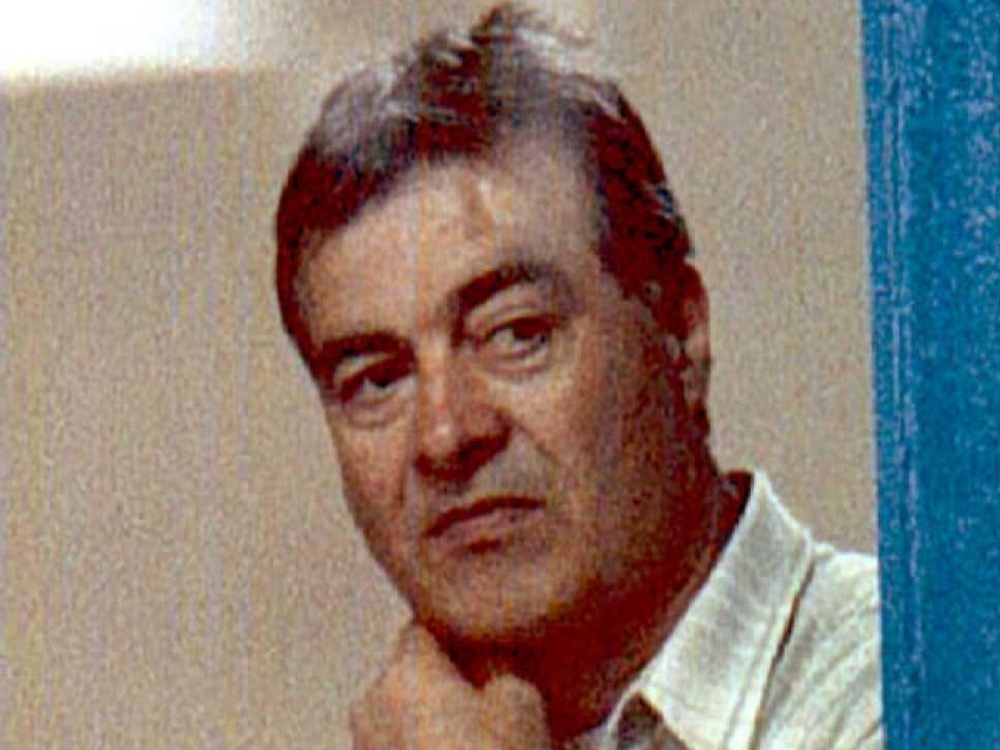
The year 1992 marked a turning point in Italy’s fight against the Mafia, and Santapaola stood at the heart of the storm. He is widely believed to have been the mastermind behind the horrific car bombing that claimed the life of Judge Giovanni Falcone, a national hero dedicated to dismantling the criminal network.
The explosion near Palermo wasn’t just the death of a judge; it was a massacre. Falcone’s wife and three dedicated police officers perished alongside him, a devastating blow to Italy’s justice system. The Capaci massacre sent shockwaves across the nation.
The violence didn’t end there. Just weeks later, another car bomb ripped through the streets, this time claiming the life of anti-Mafia Judge Paolo Borsellino and his bodyguards. Santapaola’s shadow loomed large over both tragedies, a chilling symbol of the Mafia’s relentless power.
After years evading capture, Santapaola was finally apprehended in 1993, hidden away on a Sicilian farmhouse. His arrest offered a glimmer of hope, but the legal battles were far from over.
In 2006, he received a life sentence for instigating the murders of Falcone and Borsellino, a landmark conviction that acknowledged the scale of his crimes. Prior to this, he had already been found guilty for his role in the 1982 killing of mobster Alfio Ferlito and three police officers during a prison transfer.
Santapaola spent his final decades incarcerated under the strict 41-bis regime, a specialized prison system designed to isolate Mafia bosses and prevent them from continuing to direct criminal operations from behind bars. It was a direct response to the assassinations of Falcone and Borsellino.
His health deteriorated in recent years, leading to a transfer from Opera prison in Milan to the San Paolo hospital’s medical department. It was there, finally, that Benedetto “Nitto” Santapaola breathed his last, leaving behind a legacy of fear and a stark reminder of the Mafia’s enduring threat.