Newly released documents are revealing the astonishing extent of Jeffrey Epstein’s influence, painting a disturbing picture of how he cultivated a network of powerful connections to evade accountability for his crimes. The epicenter of this influence appears to have been South Florida, where Epstein’s relationships allowed him to secure preferential treatment from those sworn to uphold the law.
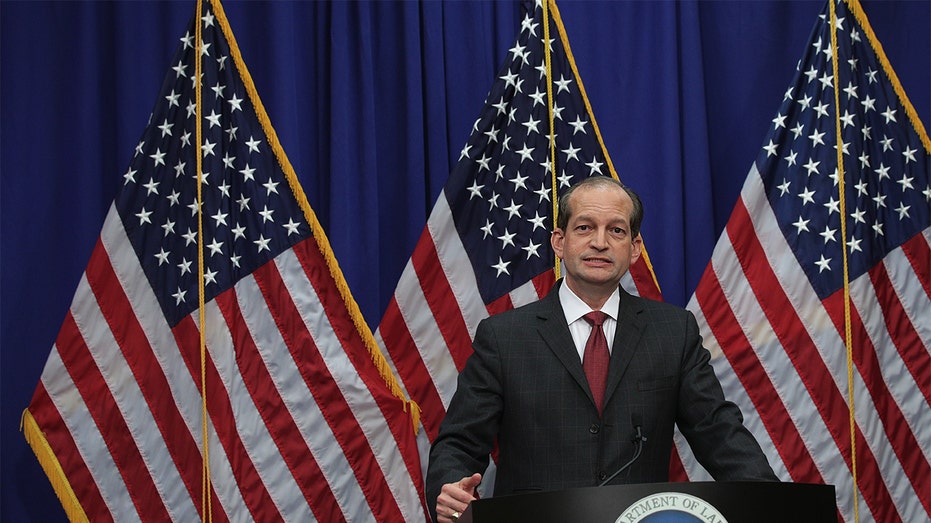
The documents, released under the Epstein Transparency Act, detail a deliberate and calculated effort to build a “coterie” of powerful allies, extending into the highest levels of the Justice Department. This web of connections ultimately facilitated a remarkably lenient “sweetheart” deal negotiated by Alex Acosta, then the U.S. Attorney for the Southern District of Florida, a deal that shielded Epstein from serious consequences.
The case has ignited outrage and renewed scrutiny, particularly surrounding Acosta’s actions. Lawmakers and observers alike were stunned by details revealed during his testimony before the House Oversight Committee, raising serious questions about leadership failures and the intersection of power and impunity.
A troubling “data gap” has further fueled the controversy – a nearly 12-month period during which Acosta’s computer records are missing, coinciding precisely with the time Epstein’s lawyers were aggressively lobbying to end the federal investigation. This gap has sparked a litany of new questions about the handling of the case.
The 2007 plea deal granted Epstein and his co-conspirators federal immunity, effectively halting a years-long investigation that had already identified 30 victims. Federal prosecutors, prepared to pursue a 60-count indictment, were blindsided by the decision, allowing Epstein to continue his abuse for another decade.
The House Oversight Committee has recently intensified its probe, with Democrats condemning Acosta’s testimony as “defiant and defensive.” They argue he shows no remorse for a decision that allowed a predator to continue harming vulnerable individuals.
Acosta isn’t the only prosecutor Epstein targeted, but the non-prosecution agreement he secured remains unique during Acosta’s tenure. It stands as a stark example of how Epstein exploited his connections to avoid facing justice for sex trafficking offenses.
FBI Director Kash Patel has labeled Acosta’s handling of the case the “original sin,” acknowledging a broader pattern of failures within the Justice Department. The department itself has conceded it was “poor judgment” that eroded public trust in the agreement.
Despite years of criticism, Acosta has consistently defended his actions, claiming they were the most appropriate course of action at the time. However, the newly released documents challenge this narrative, revealing the lengths Epstein went to in order to cultivate favor with law enforcement officials.
Details have emerged of a former assistant U.S. attorney in Florida who helped draft key provisions of Epstein’s plea deal, and who had a personal relationship with one of Epstein’s defense lawyers. While the timing didn’t directly overlap with the investigation, it adds another layer of complexity to the case.
Congress is now facing renewed pressure to investigate the federal government’s handling of the Epstein case nearly a decade later. The House Oversight Committee is determined to identify who bears responsibility for the failures that allowed Epstein to operate with impunity.
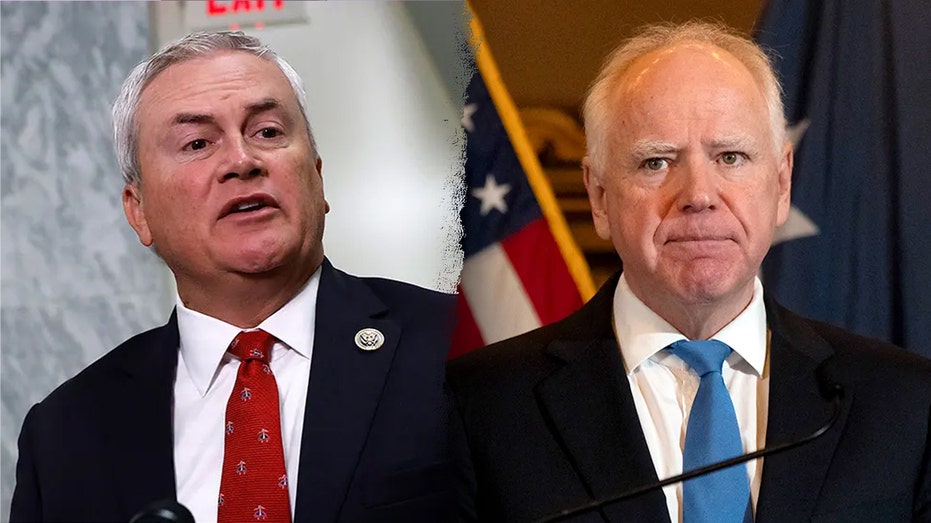
“We’re trying to find out more,” stated House Oversight Committee Chair James Comer. “Who dropped the ball? Was it Acosta? Was it the FBI? Was it the local prosecutors? Was it the Department of Justice?” The committee’s investigation is driven by a commitment to seeking justice for the victims.
The unfolding revelations underscore the insidious power of influence and the devastating consequences of systemic failures, leaving a lasting stain on the pursuit of justice and raising profound questions about accountability.