On August 12, 2026, a celestial spectacle will unfold, captivating those who seek it across a breathtaking tapestry of landscapes. Imagine witnessing a total solar eclipse while standing on sun-drenched Mediterranean beaches, amidst the rolling vineyards of Spain, or in the stark beauty of the Arctic wilderness. This isn’t just an eclipse; it’s a journey to the edge of wonder.
A total solar eclipse is a rare and awe-inspiring event. As the moon perfectly aligns with the sun, it momentarily blots out its light, plunging the world into an ethereal twilight. Only the sun’s radiant corona – its outer atmosphere – becomes visible, a shimmering halo against a darkened sky. Temperatures drop, and a profound stillness descends, creating an experience unlike any other.
This particular eclipse holds a special significance. It marks the first time a total solar eclipse will sweep across mainland Europe since 1999. The path of totality, a relatively narrow corridor approximately 180 miles wide, will traverse remote regions of Siberia, eastern Greenland, Iceland’s dramatic west coast, and northern Spain – a combination that has earned it the nickname “The Ice and Fire Eclipse.”
To fully experience the magic of “totality,” you must position yourself within this path. While the duration of complete darkness will be brief – a maximum of just over two minutes off the Icelandic coast – the impact will be immeasurable. As Dr. Michael Kirk, a NASA eclipse expert, explains, “Every eclipse is unique. The geography of where you are on the planet really influences it and makes it memorable.”
The possibilities for experiencing this eclipse are as diverse as the landscapes it will cross. Picture yourself hiking the ancient Camino de Santiago, exploring the French Gothic architecture of Burgos, relaxing on the shores of Mallorca, or embarking on a polar expedition through Greenland’s majestic fjords, all with the eclipse as a breathtaking backdrop.
Adding to the celestial drama, the eclipse coincides with the peak of the Perseid meteor shower. Imagine witnessing bright meteors streaking across the darkened sky *during* totality – a truly unforgettable double feature. It’s a cosmic alignment that promises a night of unparalleled beauty and wonder.

Cloud cover is the biggest potential spoiler, and reliable forecasts won’t be available until shortly before the event. While coastal areas can be prone to clouds, experts suggest that doesn’t rule out a beachside viewing. Spain’s Balearic Islands, boasting over 300 sunny days a year, offer a promising option. The key, according to Dr. Kirk, is flexibility: “If you are set on seeing this eclipse, then having a car or a way to make yourself mobile to get to where it’s clear in the path of totality is an essential piece.”
Safety is paramount. Never look directly at the sun without proper eye protection. Specialized eclipse viewing glasses or a pinhole projector are essential to prevent severe vision damage. Protecting your eyes allows you to fully immerse yourself in the spectacle without risk.
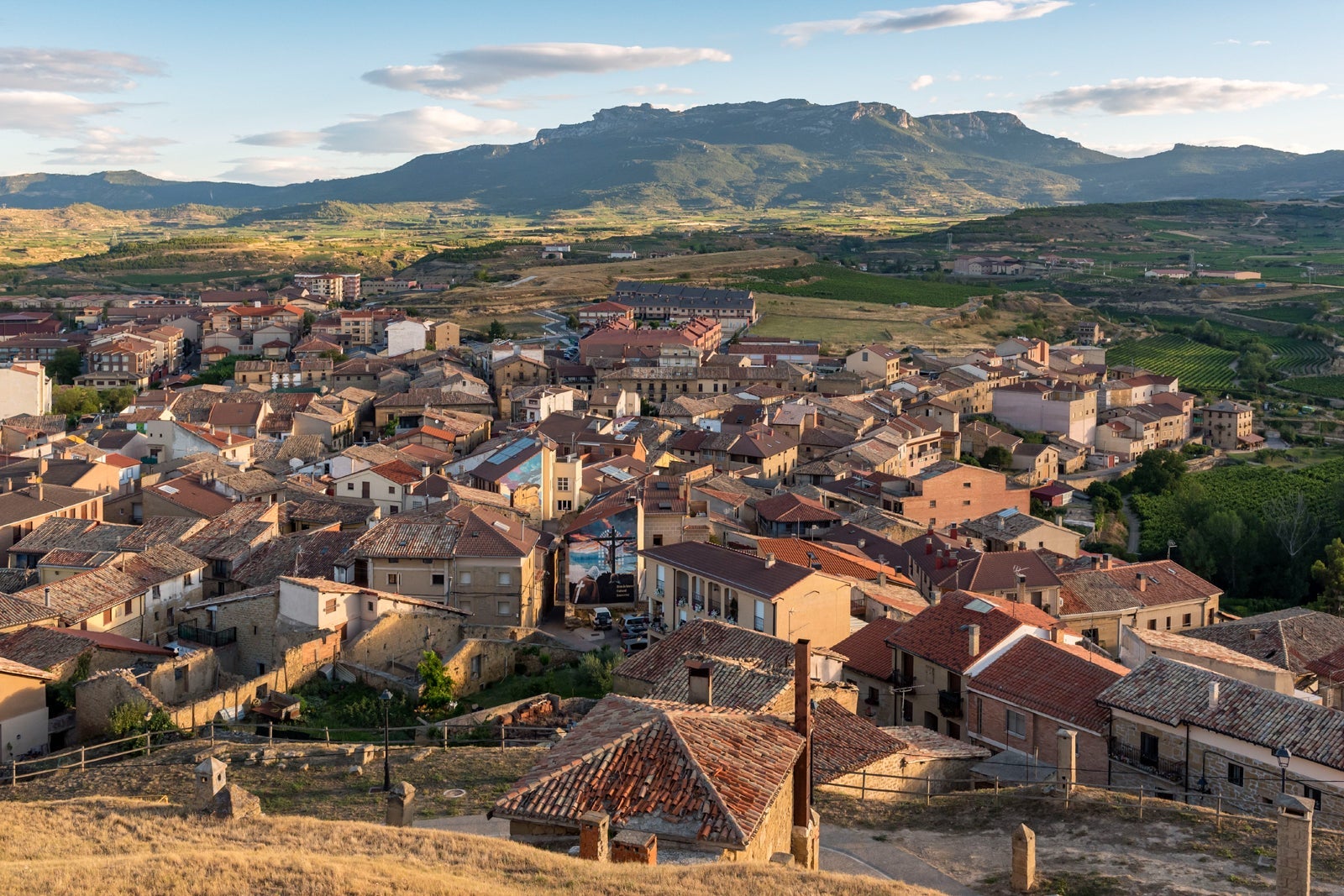
Northern Spain, particularly the village of San Vicente de la Sonsierra in La Rioja, promises over a minute of totality. Bilbao, with its modern art and culinary scene, and the walkable cities of Burgos and Leon, also lie within the path. The renowned wine region of La Rioja will be bathed in an otherworldly light as the eclipse unfolds.

Valencia, Spain’s third-largest city, will experience approximately a minute of totality. Its Gothic architecture, vibrant central market, and beautiful beaches provide a compelling base for eclipse viewing. Seek out a west-facing location with an unobstructed view to maximize your experience.
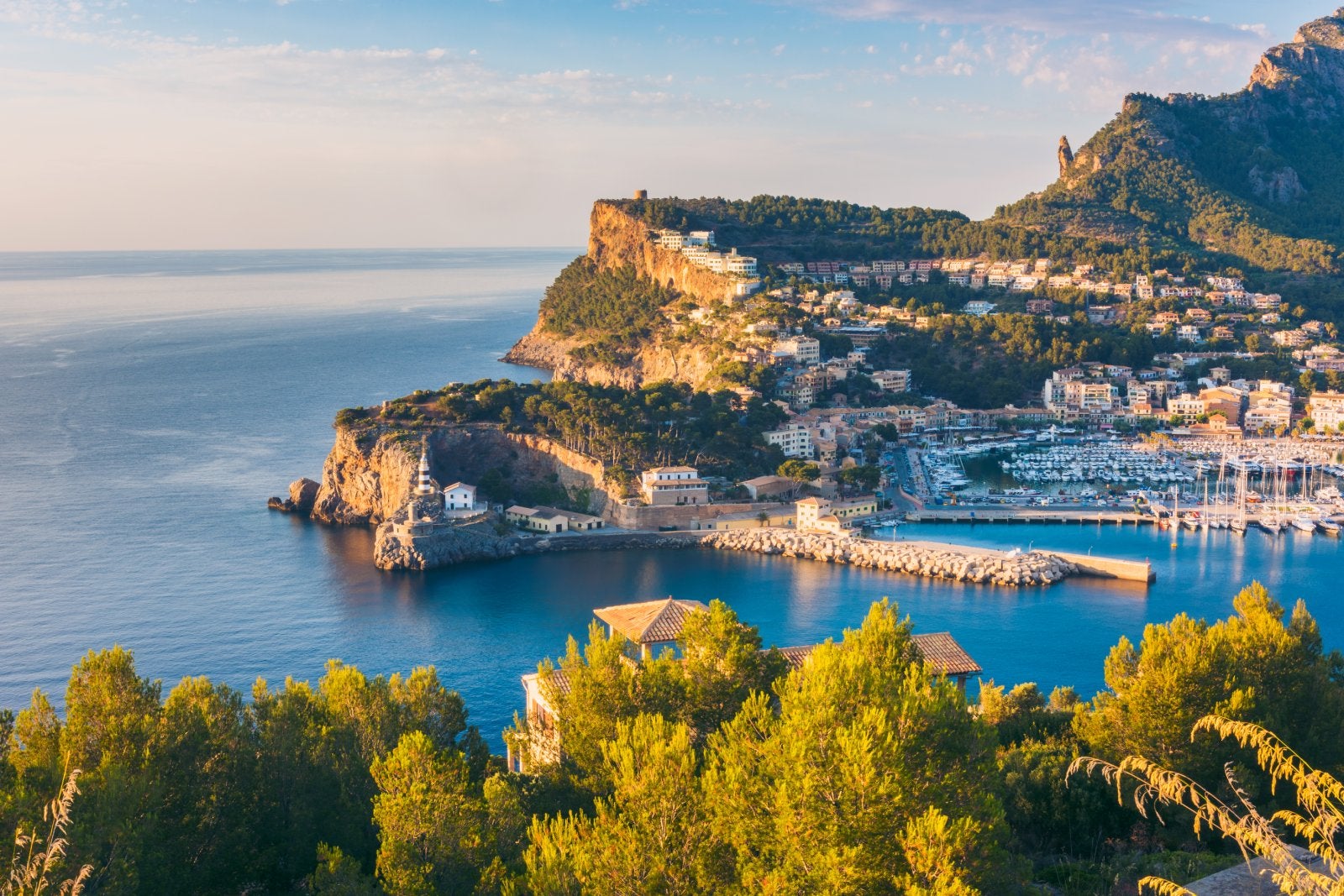
The Balearic Islands – Mallorca, Menorca, and Ibiza – offer stunning panoramic views of the turquoise sea during the eclipse. Mallorca’s historic city of Palma, with nearly 1 minute and 36 seconds of totality, is a particularly promising location. The low sun angle and clear Mediterranean skies will create a truly magical scene.
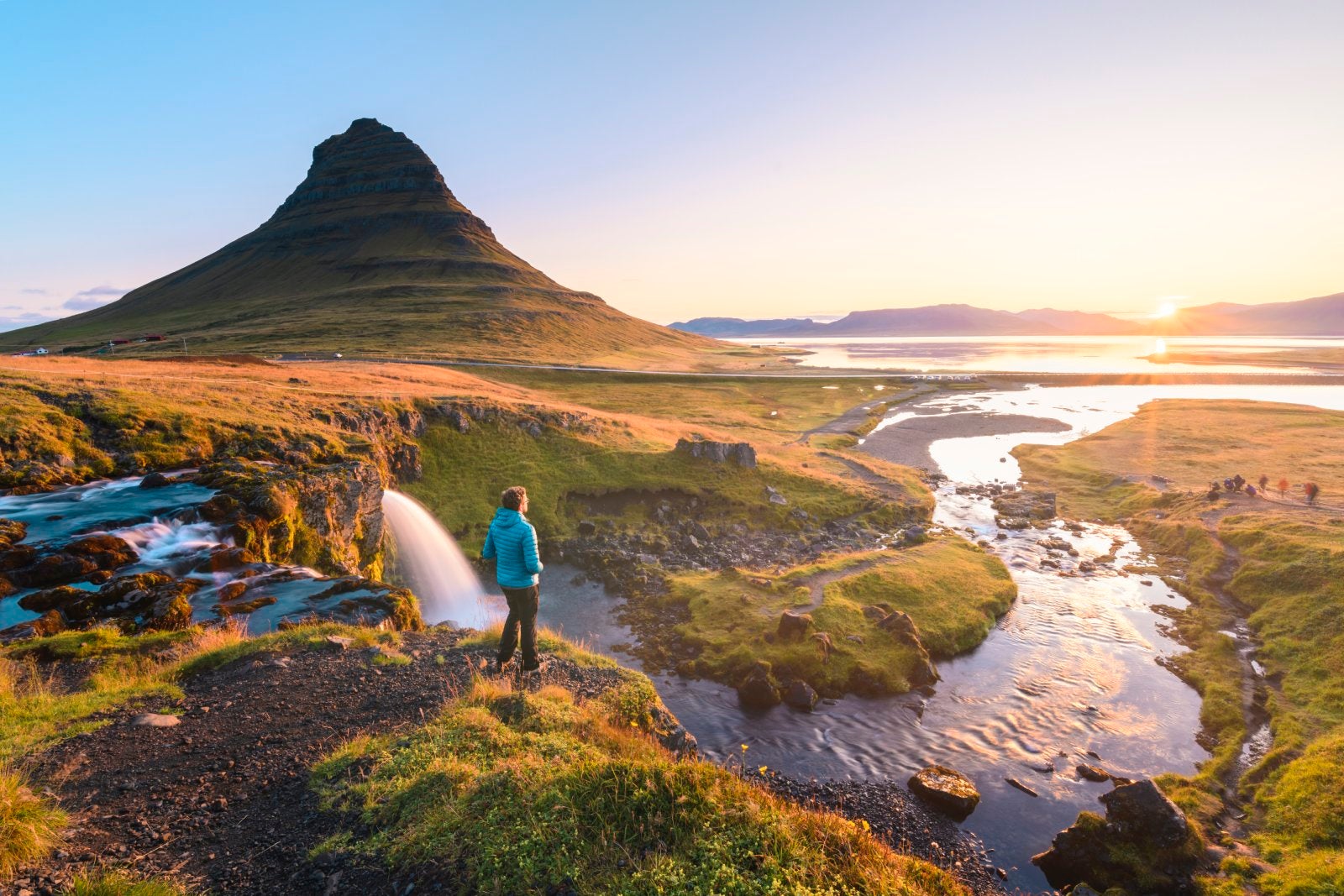
Western Iceland presents another compelling option. The Snaefellsnes Peninsula and the Westfjords will experience extended periods of totality, while Reykjavik will enjoy over a minute of darkness. Despite Iceland’s reputation for cloudy weather, August offers the best chance for clear skies, enhanced by the country’s minimal light pollution.
For the adventurous, eastern Greenland offers a truly remote and otherworldly experience. Expedition-style cruises will venture into the Scoresby Sound, the world’s longest fjord system, providing access to this pristine wilderness and offering over two minutes of totality amidst towering cliffs and icebergs.
This eclipse isn’t just an astronomical event; it’s an invitation to explore, to witness the universe’s grandeur, and to create memories that will last a lifetime. It’s a reminder of the profound beauty and interconnectedness of our world, a moment to pause and marvel at the wonders that lie beyond our everyday lives.


