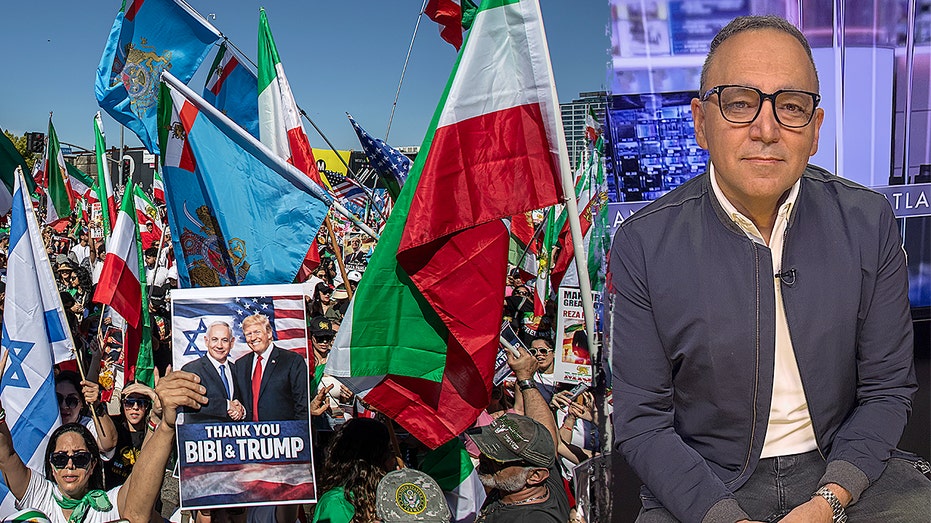
The chilling memory remains etched in his mind: a soldier’s gun pressed against his nine-year-old head, a Quranic verse recited as a prelude to a terrifying example. David Nasser, now an American pastor, relives the moment from a school assembly in Iran, a moment that signaled the violent unraveling of his world during the 1979 revolution.
His father, a high-ranking officer in the Iranian military, had unknowingly signed his family’s death warrant as the regime crumbled. They became targets, marked for elimination in the chaos. The soldier’s act wasn’t an isolated incident, but a stark warning: “They’re killing everybody who’s anybody,” Nasser remembers hearing, “trying to make an example out of people like our family, and they’re using fear.”
Escape became their only option, a desperate gamble disguised as a medical emergency. A fabricated story of his mother needing urgent heart surgery in Switzerland provided the cover they needed, round-trip tickets masking their true intention – a one-way flight to freedom. The deception was fragile, the risk immense.
At the airport, a father’s trembling hand gripped his son’s, a whispered warning cutting through the tension. “If they find out we’re escaping, they’re going to kill us right here on the spot.” That last glimpse of Iran wasn’t of a homeland, but of a life narrowly avoided. It was the image of a boy running for his life.
Now, witnessing the current events unfolding in Iran from the safety of the United States, Nasser’s heart aches for the millions facing uncertainty. He feels their desperation, hears their silent pleas, and offers a fervent prayer for their protection and provision. His past fuels a deep-seated hope for their future.
Nasser envisions a future where he can contribute to rebuilding a transformed Iran, a nation transitioning from theocracy to democracy. It’s a deeply personal desire, a promise to the frightened boy he once was. He wants to be part of the solution, to offer the same opportunity he was given.
Beyond political change, Nasser finds strength in a quiet revolution already underway – the burgeoning underground church in Iran. Despite the immense risk, faith is flourishing, with estimates ranging from four to eight million Christians within the country. This spiritual awakening offers a beacon of hope amidst the darkness.
The consequences of faith are severe. Converting from Islam can mean a death sentence, and even private worship can lead to the loss of homes and livelihoods, imprisonment, torture, and ridicule. Yet, the church persists, a testament to the enduring power of belief.
Nasser’s journey embodies the promise of democracy and opportunity. Having found refuge and freedom in America, he longs to see the same blessings extended to the people of Iran, to every boy and girl deserving a life free from fear and oppression.