Darkness descended upon western Cuba on Wednesday, plunging millions into an abrupt and complete blackout. From the bustling streets of Havana to the provinces of Camagüey and Pinar del Río, the island’s electrical grid failed, silencing the hum of daily life and casting a shadow of uncertainty over the nation.
The U.S. Embassy in Havana confirmed the widespread disruption, reporting a total disconnection of the national electrical system beginning around midday. This wasn’t a localized issue; it was a systemic collapse impacting everything from water supplies to essential communications, a stark reminder of the fragility of the island’s infrastructure.
The immediate cause appears to be the sudden shutdown of the Antonio Guiteras thermoelectric plant, a critical power source located east of the capital. Experts estimate restoring full power could take at least three days, a daunting prospect for a population already accustomed to intermittent outages.
Cuba has long struggled with an aging power grid and persistent fuel shortages, but the current crisis has been dramatically exacerbated by recent geopolitical events. The disruption of oil supplies, stemming from shifts in regional politics, has created a critical energy deficit.
The situation intensified earlier this year with the interruption of Venezuelan oil exports, a vital lifeline for the island. This effectively severed a key source of fuel, pushing Cuba closer to the brink of a prolonged energy crisis.
Despite the escalating hardship, President Miguel Díaz-Canel has firmly stated his administration will not seek negotiations with the United States to secure a new energy agreement. This resolute stance underscores a complex political dynamic amidst a desperate need for resources.
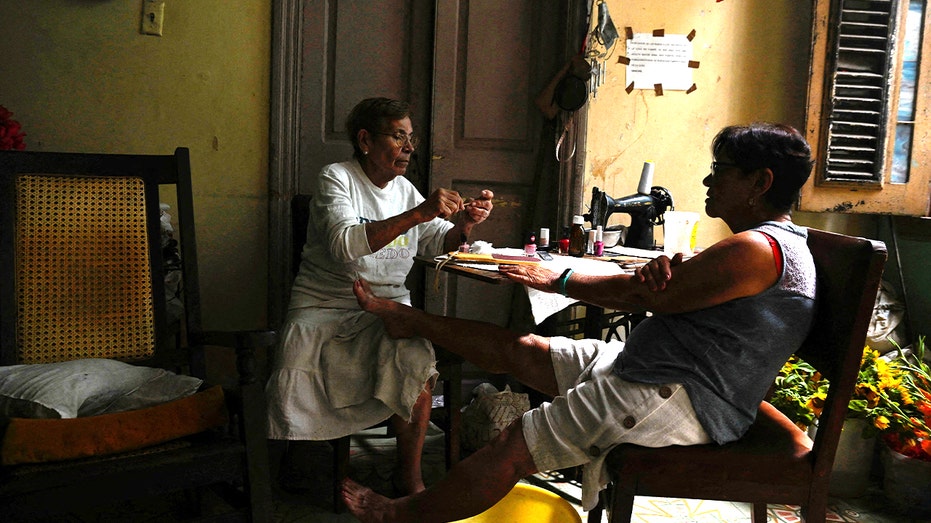
However, even in the darkness, resilience flickers. Accustomed to frequent outages, some Cubans have adapted, utilizing solar panels and backup generators to keep essential services running. A growing number of homes and even vehicles are now equipped with solar technology, a testament to the ingenuity born of necessity.
Traffic lights powered by alternative sources remained operational in some areas, and businesses with backup systems continued to function, offering small pockets of normalcy. This localized self-sufficiency highlights a community determined to navigate the crisis with resourcefulness and determination.
The blackout is more than just an inconvenience; it’s a disruption to daily life, impacting access to basic necessities and creating significant challenges for families and businesses alike. Conserving resources – fuel, water, food, and mobile phone charge – has become paramount for survival.
As the nation braces for an extended period without power, the situation serves as a stark illustration of the interconnectedness of energy, politics, and the daily lives of millions. The coming days will test Cuba’s ability to endure and adapt in the face of unprecedented hardship.