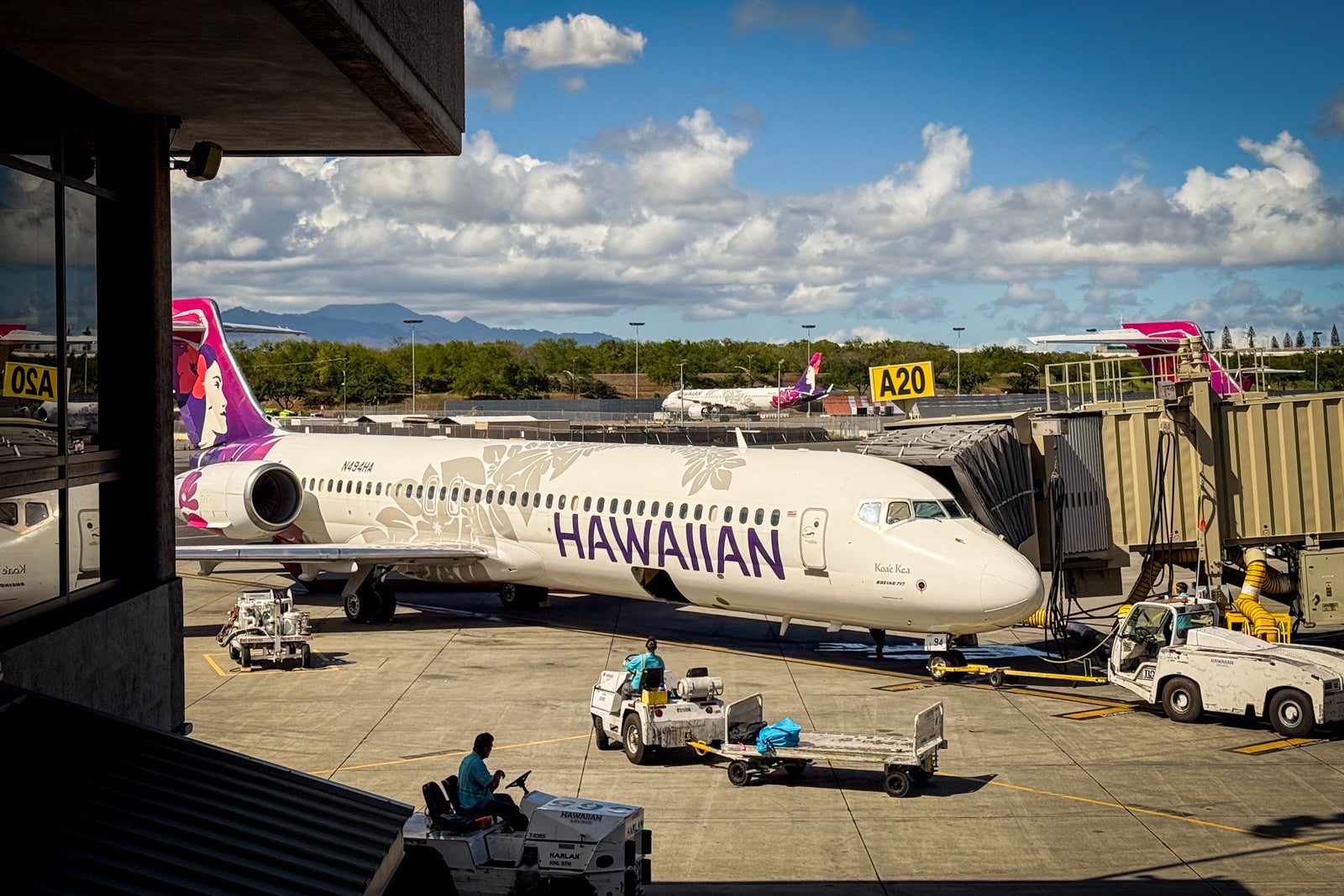
For Hawaiian Airlines, the essence of its identity isn’t simply a logo or a color scheme – it’s woven into the very fabric of the islands themselves. It’s the spirit of Aloha, the warmth of its people, and a deep connection to place. In many ways, Hawaiian *is* the flag carrier of Hawaii, a symbol recognized and cherished across the Pacific and beyond.
That powerful brand loyalty is precisely why Alaska Airlines moved to preserve it, even after a significant acquisition. Passengers traveling to, from, or within Hawaii should still expect to see the iconic Pualani blossom, not just Chester the Eskimo, a testament to Alaska’s commitment to honoring what makes Hawaiian special.
“The brand is so much more than what you see,” explains Diana Birkett Rakow, CEO of Hawaiian Airlines. “It begins with our people, our culture, and a genuine sense of place – how we treat each other and our guests.” This isn’t just about aesthetics; it’s about an experience deeply rooted in Hawaiian values.
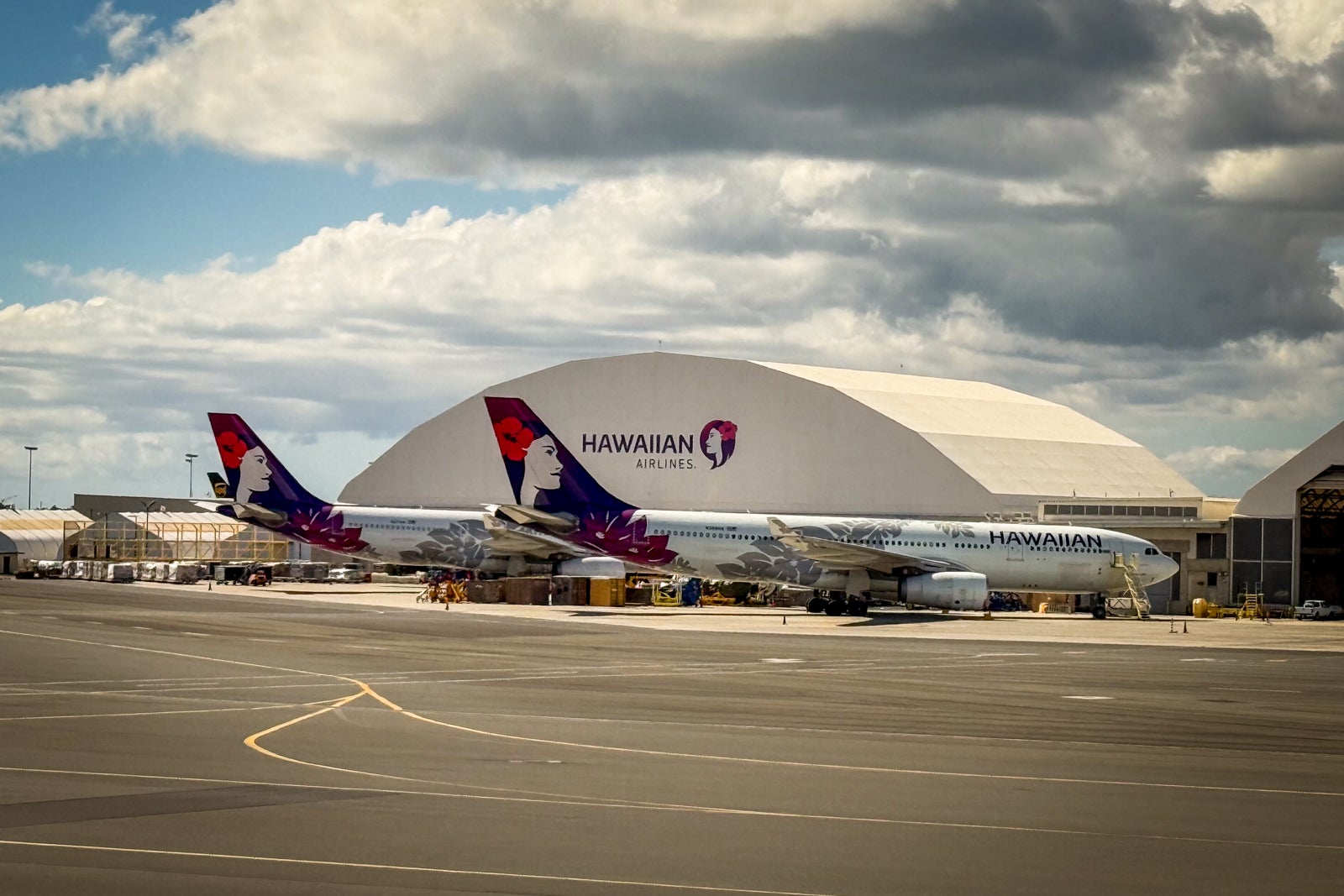
Alaska Airlines is embarking on a rare strategy in the airline industry: a “one airline, two brands” approach. While many have attempted similar models, few have succeeded. The key difference here lies in a unified internal structure – a single “ecosystem,” as Birkett Rakow calls it – with the visual identity and onboard experience remaining distinctly Hawaiian or Alaskan.
The $1.9 billion acquisition of Hawaiian has propelled Alaska Airlines to become the fifth-largest carrier in the U.S., and marks a significant step towards global expansion. New intercontinental routes are planned from Seattle, with further expansion into Europe on the horizon.
Birkett Rakow, uniquely positioned as a CEO reporting to another – Alaska’s Ben Minicucci – emphasizes the shared vision. Both leaders are dedicated to investing in and protecting the Hawaiian brand, recognizing its intrinsic value to the combined airline.
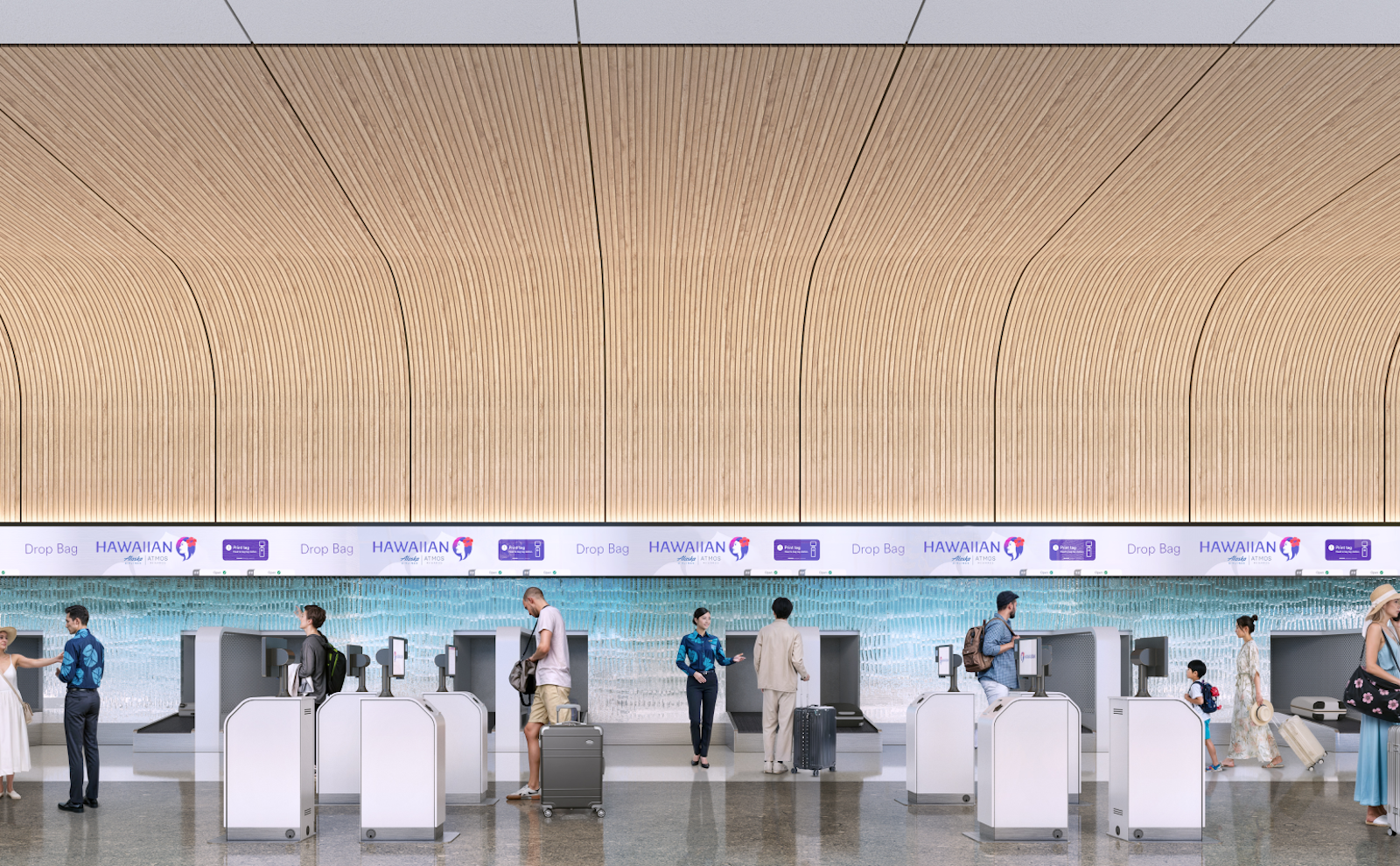
The rollout of dual branding at airports is being carefully considered. Alaska is taking a deliberate approach, ensuring the dominant brand in each market takes precedence. In Honolulu, for example, Hawaiian will maintain a prominent presence, reflecting its strong local standing. Conversely, Alaska will lead in Seattle and other core markets.
California will see a more balanced representation of both brands, acknowledging the strong following each enjoys in the state. However, travelers will consistently encounter both identities, reinforcing the idea of a unified, yet distinct, experience.
Even occasional sightings of Alaska’s Chester-adorned planes in Hawaii are anticipated, perhaps due to operational needs or aircraft swaps. The goal is to subtly integrate the brands while maintaining their individual identities.
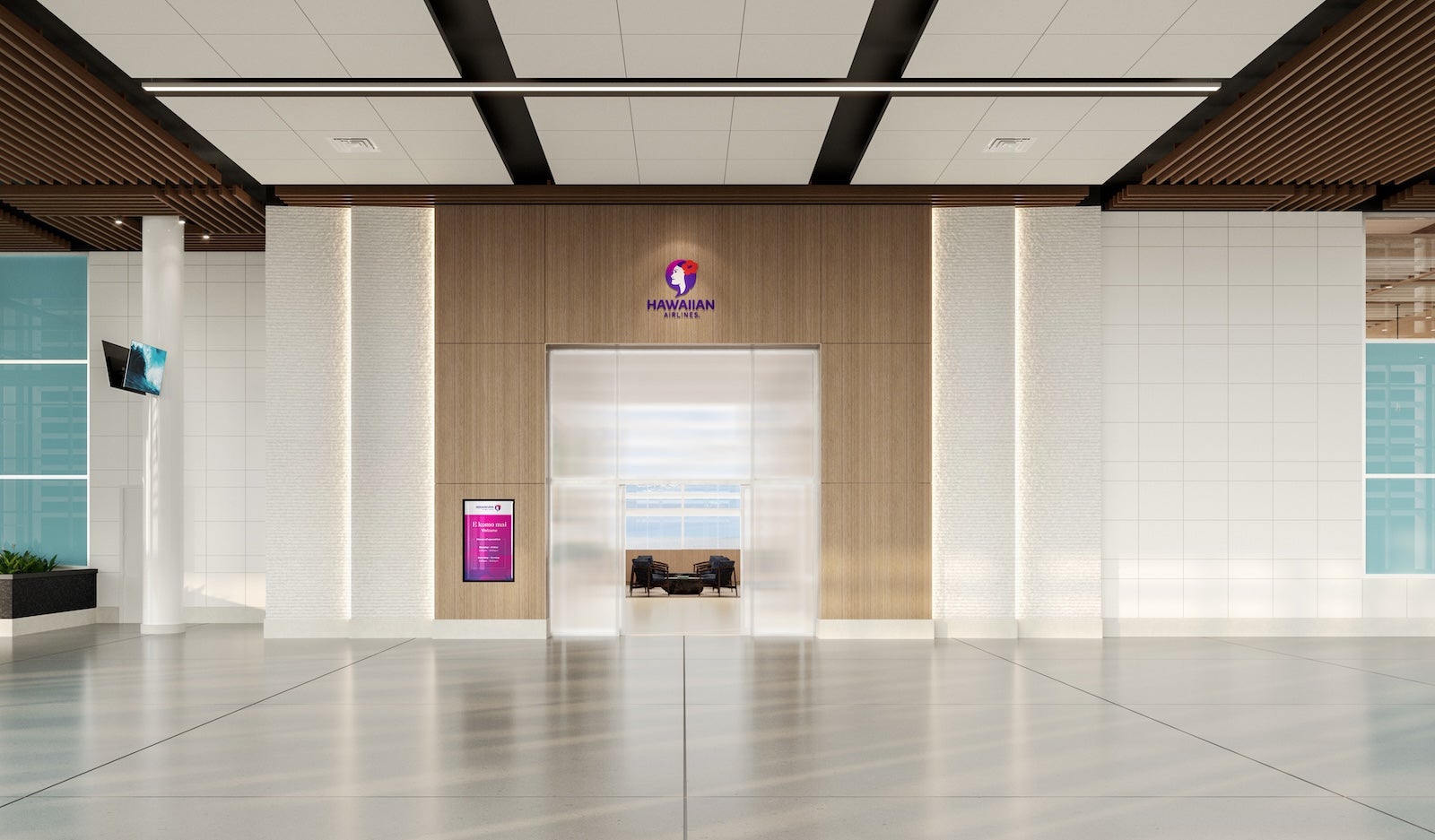
Hawaiian is also constructing a new premium lounge in Honolulu, designed to mirror the luxurious feel of Alaska’s Seattle lounge, but infused with distinctly Hawaiian design elements and finishes.
The beloved POG juice, a staple of Hawaiian flights, will remain on board. But the distinctions extend far beyond that. Hawaiian flights will feature Kohana Rum cocktails, Lion Coffee, and menus crafted by a local Hawaiian chef, while Alaska flights will offer Pacific Northwest favorites like Straightaway Cocktails and Stumptown Coffee.
This commitment to maintaining unique onboard offerings isn’t without its complexities. Stocking two distinct sets of products adds logistical challenges. However, Birkett Rakow argues that sacrificing brand identity for efficiency would ultimately diminish the value of both airlines.
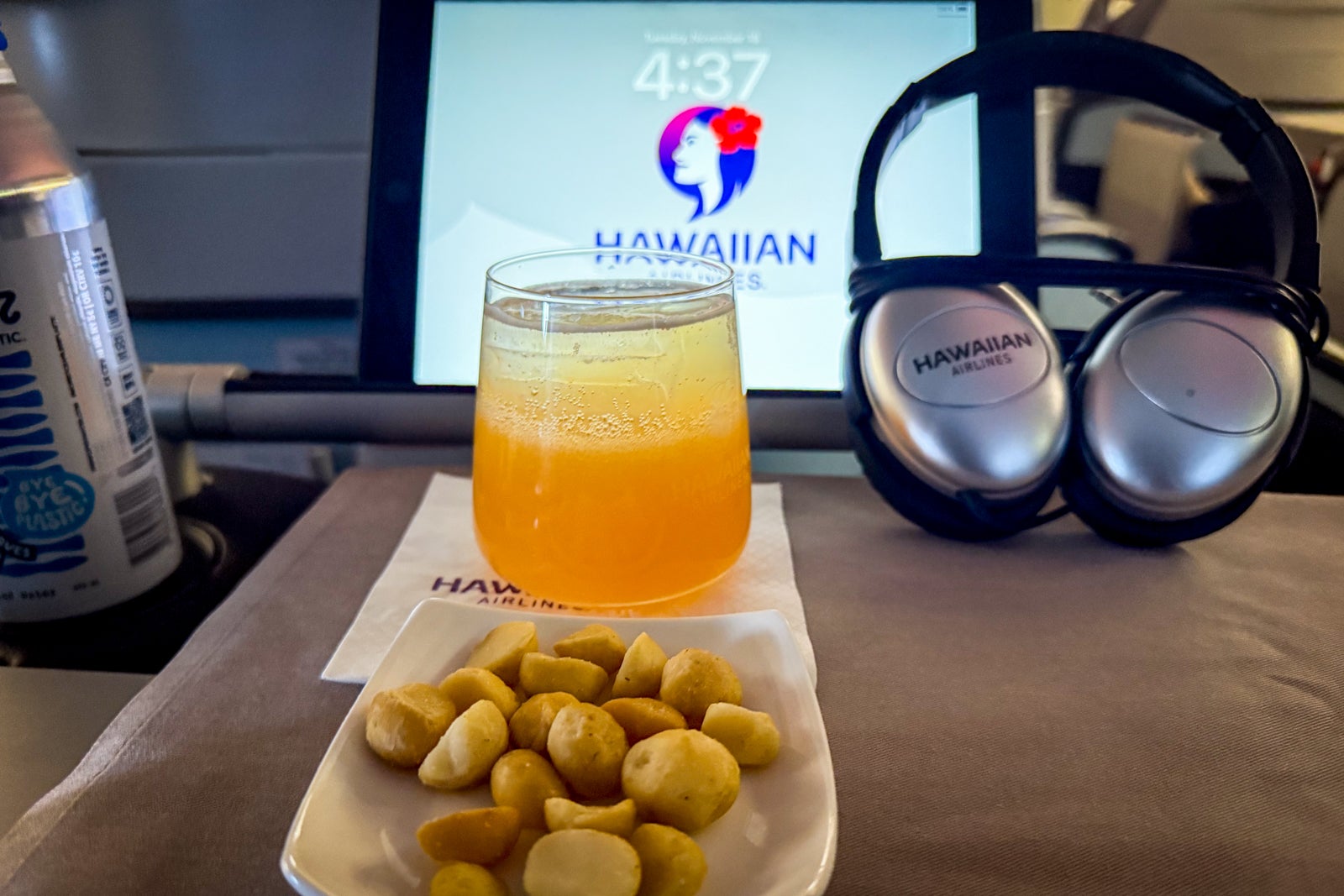
“You’d have a mishmash,” she explains. “You might end up with one less valuable brand because you’ve lost the distinctiveness of both.” Preserving the inherent value of each brand is paramount.
Executives have set an ambitious goal of generating $1 billion in additional profit by 2027, but the initial financial results show a $189 million operating loss for the Hawaiian segment in 2025, a figure factoring in the transition period. Despite this, the overall group reported a $146 million operating profit.
The merger is a multi-phased process. Achieving a single operating certificate in October 2025 was a crucial step. The final major customer-facing change – combining reservation systems – is scheduled for April, with Hawaiian transitioning to Alaska’s Sabre platform.
This complex switchover, involving the “draining” of reservations from Hawaiian’s existing system, is undergoing rigorous planning and testing to ensure a smooth transition for passengers.
Simultaneously, Hawaiian will officially join the Oneworld alliance on April 23rd, expanding its reach and benefits to members of partner airlines like Qantas and Japan Airlines.
Ultimately, Alaska Airlines’ vision is to nurture and leverage the unique identity of Hawaiian Airlines. “The Hawaiian brand is *of* Hawaii, and it carries Hawaii around the globe,” says Birkett Rakow, encapsulating the core principle driving this ambitious integration.