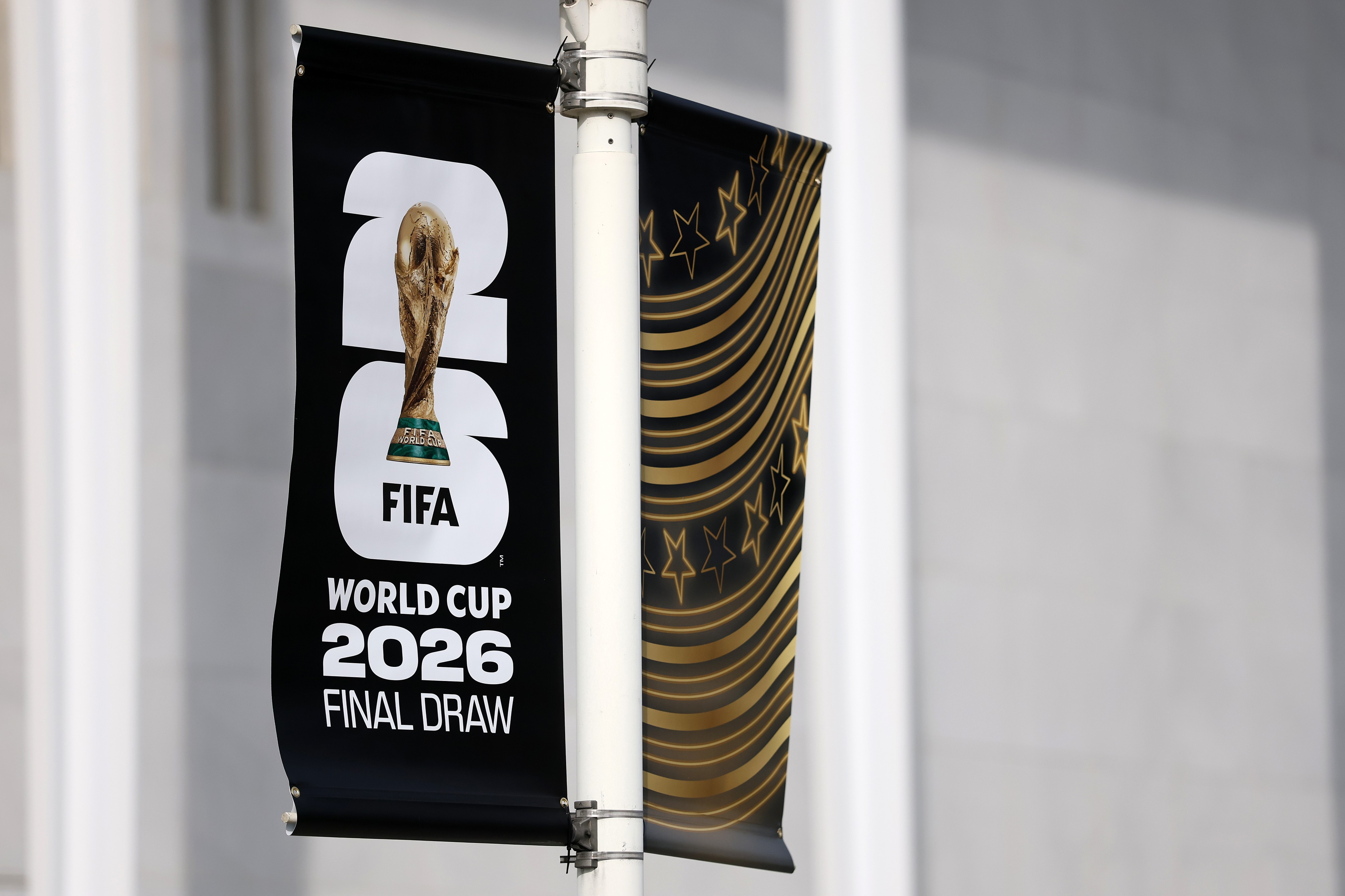
The 2026 World Cup, hosted in the United States, will usher in a significant change to the rhythm of the game: official hydration breaks. This isn't simply about player comfort; it’s a response to the anticipated heat and a reshaping of the viewing experience as we know it.
Each half will be deliberately split, allowing for a three-minute pause midway through. FIFA’s stated intention is player welfare, recognizing the demanding conditions expected during summer matches across the country. But beneath the surface lies a strategic shift with profound financial implications.
These breaks aren’t just for water. Broadcasters have been granted the opportunity to fill this downtime with advertisements, a move that’s already sparking debate. However, FIFA has established clear boundaries, aiming to balance commercial interests with the integrity of the broadcast.
Advertisements cannot begin immediately when the referee signals the break. A 20-second buffer is mandated, and the broadcast must return to live action at least 30 seconds before play resumes. This careful choreography is designed to minimize disruption and maintain viewer engagement.
Interestingly, broadcasters aren’t *required* to show commercials. They have the option to utilize the time for studio analysis, replays, or alternative programming. This flexibility adds another layer to the unfolding dynamic between sporting spectacle and commercial opportunity.
The introduction of these breaks is widely seen as a clear indication of the “Americanization” of the World Cup. The United States’ highly commercialized sports landscape is influencing the world’s most prestigious tournament, and the financial benefits are substantial.
Industry experts predict FIFA could generate hundreds of millions of dollars from selling these advertising slots. The calculation is straightforward: the value of dedicated commercial time during a global event of this magnitude far outweighs any potential revenue lost by allowing broadcasters to manage the breaks themselves.
One sports sponsorship executive, with a history at major brands like Coca-Cola and Visa, bluntly stated the decision is a “no-brainer” for FIFA. The potential for increased revenue is simply too significant to ignore, and broadcasters are prepared to pay a premium for the opportunity.
Beyond the financial considerations, the hydration breaks represent a genuine attempt to protect players from the intense heat. The combination of strategic pauses and the potential for increased revenue signals a new era for the World Cup, one where player welfare and commercial interests are inextricably linked.