The growing demand for on-device processing in IoT systems has led to the development of edge AI applications, where data is processed closer to where it is generated, rather than being sent to the cloud. This shift is driven by the increasing volumes of data generated by devices such as cameras, industrial sensors, and mobile equipment, which can be expensive, slow, or impractical to move continuously to the cloud. As a result, edge AI has become a crucial design consideration, enabling more decisions to be made locally.
A recent launch reflects this trend, with the introduction of a high-performance module for edge AI applications. The module is positioned as a key component for IoT systems, where local intelligence is essential. However, the lack of detailed technical specifications, such as supported interfaces, processor architecture, and power characteristics, makes it challenging to assess the module's value and potential applications.
The significance of this launch lies in its focus on edge AI, rather than traditional embedded connectivity or general-purpose device integration. This distinction is important, as edge AI modules are evaluated by a broader set of stakeholders, including hardware, software, and operations teams. The module's impact on the entire data pipeline, from device-level processing to cloud dependency and bandwidth usage, must be carefully considered.
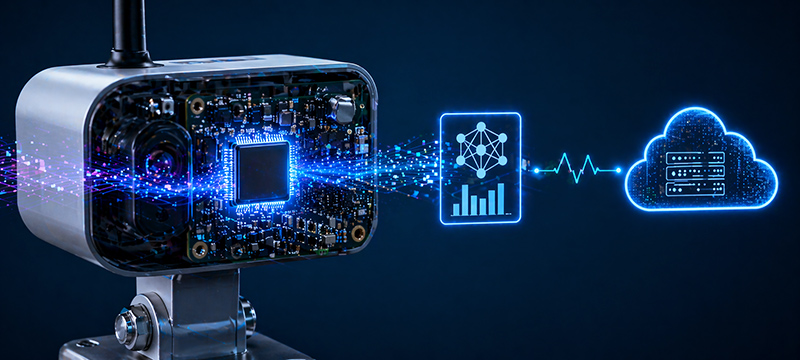
The implications of edge AI modules are far-reaching, affecting not only device design but also testing, updates, fleet monitoring, and cybersecurity requirements. For industrial players and enterprises, the ability to push intelligence into devices can reduce raw data transmission and cloud dependency, but also increases the responsibility of the embedded system itself. This shift can alter traffic patterns on IoT networks, influencing how enterprise IoT services are packaged and priced.
For system integrators, edge AI modules can simplify design and reduce the need for bespoke compute boards, but only if the module's software environment, interfaces, and lifecycle support align with the target application. The lack of published specifications means that integrators will need to validate these points directly before positioning the module for customer deployments.
The launch of this module is part of a broader industry trend, where module vendors are moving deeper into the compute layer of IoT systems. Edge AI is becoming an architectural choice, rather than a feature label, changing where data is processed, where application logic resides, and how cloud platforms interact with distributed assets. This shift is particularly relevant in industrial IoT, smart infrastructure, logistics, and machine vision use cases, where continuous cloud processing may be costly or impractical.
The main takeaway from this launch is that embedded module roadmaps are increasingly being shaped by AI workloads at the edge. The module will need to be judged on its detailed technical characteristics when those are available, but its positioning points to a clear direction in IoT hardware: more intelligence is being designed into the endpoint, rather than reserved for the cloud. This trend is expected to continue, with edge AI becoming a key driver of innovation in the IoT industry.