A cracked wheel on a Briggs & Riley suitcase prompted a family to file a damaged‑baggage claim after a recent flight. The damage appeared during transit and was not present before the trip.
The airline denied the claim, stating that the luggage manufacturer’s reputation for standing behind its products absolved the carrier of responsibility. The airline’s explanation conflicted with Department of Transportation rules that require carriers to repair or reimburse damaged checked baggage.
The travelers then submitted a claim to the credit‑card travel insurance attached to the ticket purchase. The insurer rejected the claim because the bag had been checked under the family’s 12‑year‑old son’s name, and his ticket had been purchased with redeemed airline miles, which did not qualify for baggage coverage.
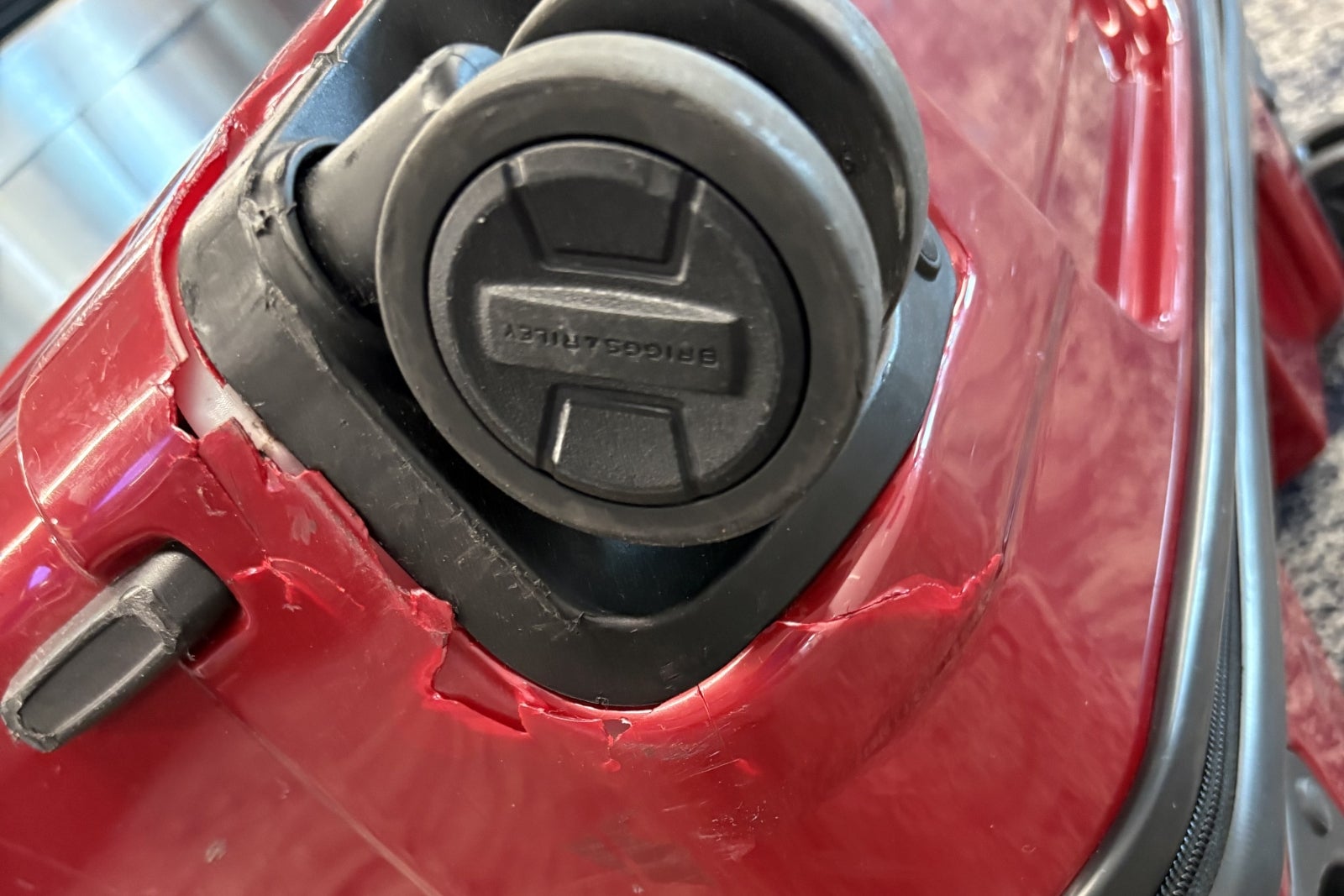
Briggs & Riley’s lifetime “Simple as that” guarantee covered the repair, and the manufacturer agreed to fix the suitcase at no charge, aside from a $66 shipping fee paid by the owner.
The insurance denial hinged on the name printed on the baggage tag, which the claims administrator treated as proof of ownership. Policy language generally defines covered baggage as personal property belonging to a covered traveler, not necessarily tied to the tag name.
Travelers can mitigate similar issues by documenting which credit card is used for each passenger’s ticket and understanding the protections it provides. At check‑in, they should confirm that each bag is tagged under the name of a passenger covered by the card’s baggage insurance.

Keeping receipts, serial numbers, and photographs of valuable luggage before checking it adds further proof of ownership. Recording this information and ensuring accurate tag assignments helps align airline and insurer assessments with policy terms.
The case illustrates how a seemingly minor detail—such as the name on a baggage tag—can determine eligibility for travel‑related protections. Verifying tag information and coverage before departure can prevent costly claim denials.