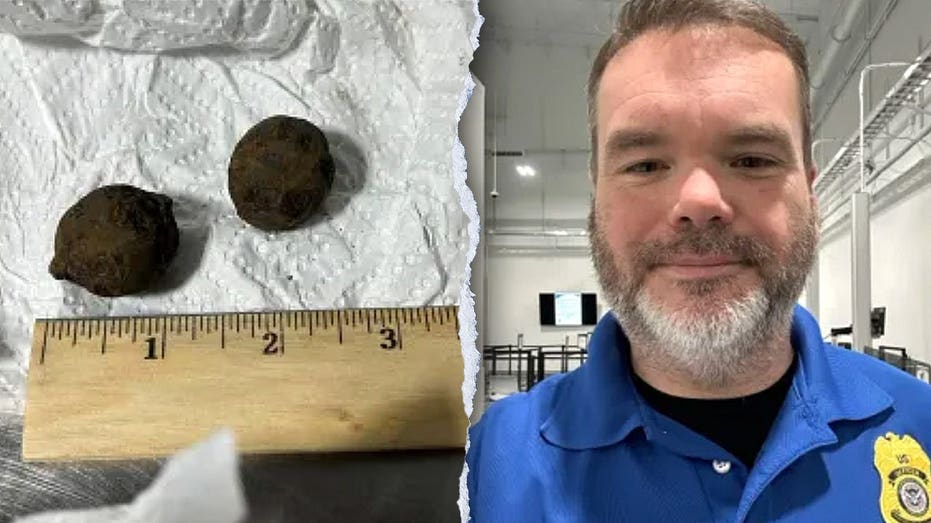
A routine baggage screening at Gulf Shores International Airport uncovered a cache of stolen historical artifacts, prompting an immediate explosive safety investigation.
During the X‑ray examination of a checked suitcase, a lead security officer identified an opaque object that resembled a large medicine ball. Further inspection revealed five Civil War‑era cannonballs wrapped in paper towels, varying in size from small spheres to ones comparable to grapefruits.
The officer, concerned that the items might be live explosives, promptly notified his supervisor. Both officers noted that such artifacts were unprecedented in their experience, describing the find as akin to an “Indiana Jones‑esque” scenario.
Supervisory staff consulted regional explosives specialists, and local law enforcement from Baldwin County responded to the airport. The combined team assessed the cannonballs as potential artillery munitions, which could not be confirmed as inert at the time.
Because the items could not be immediately classified as safe, they were prohibited from being loaded onto any aircraft. Authorities treated the situation as a possible threat to flight safety until the explosives experts and police could verify the nature of the objects.
Investigators later traced the cannonballs to Fort Morgan, a historic military site in Gasque, Alabama. A juvenile had removed the artifacts from a storage area within the fort, and the site’s personnel identified the cannonballs by distinctive paint markings applied to their collection.
Fort Morgan officials confirmed the theft but elected not to pursue criminal charges, citing the circumstances of the juvenile’s involvement and the lack of intent to sell or harm.
The Federal Security Director for Alabama praised the swift coordination between security officers and law enforcement, emphasizing that even inert weapons or replicas can trigger security alerts, cause flight delays, and pose safety concerns.