The B1 bridge in Karaj, Iran, was destroyed in an airstrike, marking a significant escalation in tensions between the United States and Iran. The strike followed a series of attacks on Iranian infrastructure and a recent U.S. statement threatening retaliation for Iranian actions in the Strait of Hormuz.
The United States announced an 11th consecutive night of strikes against Iranian targets, citing a video of the attacks. The attacks were part of a broader strategy aimed at disrupting Iranian energy, oil, and transportation networks.
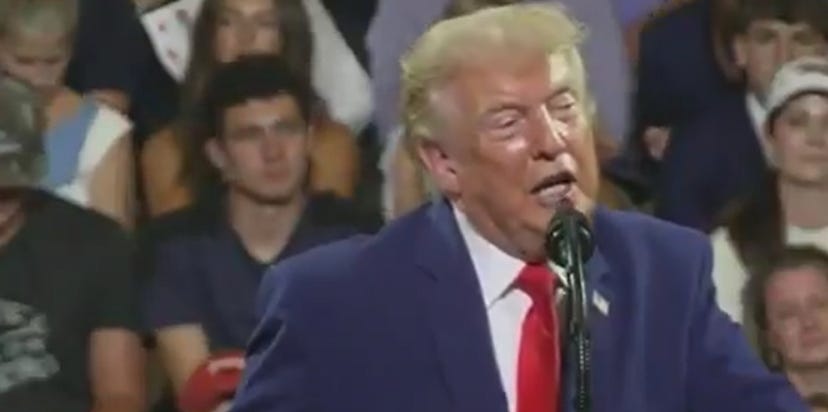
President Trump issued a warning that the United States would target one bridge or power plant for every Iranian attack on a commercial vessel in the Strait of Hormuz. The statement also mentioned the possibility of a ground invasion and the seizure of a key oil export hub.

Iran responded with strong rhetoric, emphasizing its defense doctrine of reciprocity. Statements from the Iranian Parliament and Foreign Ministry underscored the country's commitment to protecting its infrastructure and rejecting external interference.
The Iranian government also threatened to strike infrastructure and bridges across the region, including energy facilities that serve U.S. interests. It stressed that ships operating in the Strait of Hormuz would be protected only if they complied with Iranian regulations.
In addition to the bridge attack, the United States has threatened to target a site in Iran associated with its nuclear program. The threat was made following intelligence reports suggesting ongoing nuclear activities.
The situation remains volatile, with both sides indicating a willingness to increase military actions. The international community watches closely as the conflict threatens to widen beyond the immediate region.