The Trump administration has escalated a confrontation over control of U.S. attorney appointments by dismissing a Seattle-based prosecutor less than an hour after his selection by federal judges.
Acting Attorney General Todd Blanche confirmed the firing in a social media post during his Senate confirmation hearing, stating that district court judges may appoint a temporary U.S. attorney but the president retains authority to remove them.
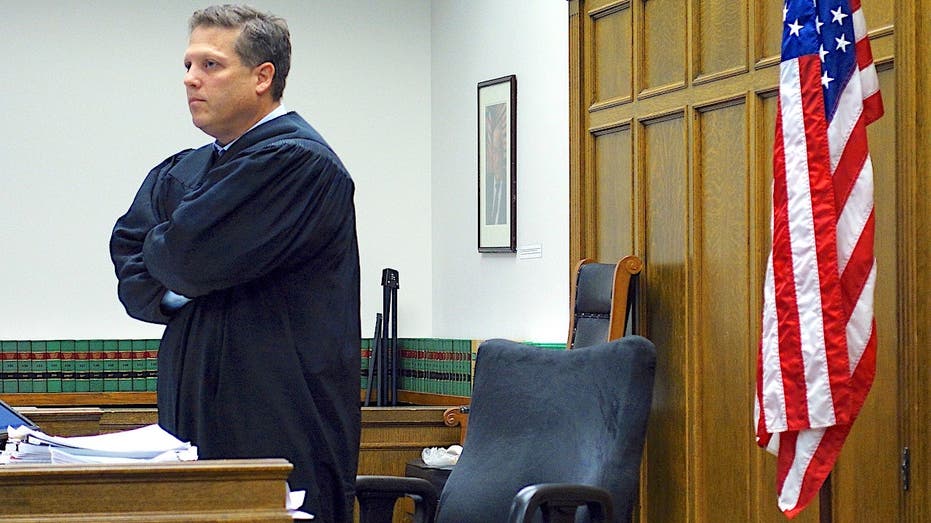
Roger Rogoff, 57, a former King County Superior Court judge and veteran state and federal prosecutor, was sworn in before 8 a.m. at the federal courthouse in Seattle as U.S. attorney for the Western District of Washington.
He reported to the U.S. Attorney’s Office seeking to meet with Charles Neil Floyd, the administration’s preferred candidate whose 120-day interim term had expired in February.
While waiting in the lobby, Rogoff received an email notifying him that the president had removed him from office.
All 17 active and senior federal judges in the district had appointed Rogoff after the administration declined to forward Floyd’s nomination to the Senate and instead kept the top post vacant.
The judges, appointed by five presidents including ten Democrats and seven Republicans, opened a formal application process to fill the vacancy.
Federal law permits the attorney general to name an interim U.S. attorney for 120 days, after which district judges may appoint someone if no nominee is confirmed.
The administration has increasingly relied on acting titles and personnel moves amid a narrowly divided Senate, prompting pushback from courts in Democratic-leaning districts such as Seattle and New Jersey.
Rogoff criticized the approach, saying improvised placements undermine the Justice Department and break down the appointment process.
Sen. Patty Murray of Washington opposed Floyd’s selection and condemned Rogoff’s swift removal, calling his judicial appointment lawful and accusing the administration of bypassing Senate consent.
Administration officials maintain that the Senate’s advise-and-consent role does not grant opponents a hard block on nominees or agenda priorities.
Rogoff has retained an employment law firm and is weighing a legal challenge to his dismissal.
The Seattle dispute mirrors similar conflicts elsewhere, including New Jersey, where a top federal prosecutor resigned after a court found her service unlawful, and Virginia, where an acting appointment was invalidated.
Despite anticipating the firing, Rogoff said he accepted the role because serving as U.S. attorney is the best job in the field and he was honored by the judges’ confidence in him.