The U.S. State Department issued a strong condemnation of Nicaragua’s leadership after President Daniel Ortega announced the elimination of future elections, describing the move as evidence of an authoritarian regime that has abandoned any pretense of popular consent.
Ortega, now 80, declared that upcoming elections would be cancelled to prevent opposition parties from “seizing the government,” asserting that parties linked to foreign interests would never again return to power.
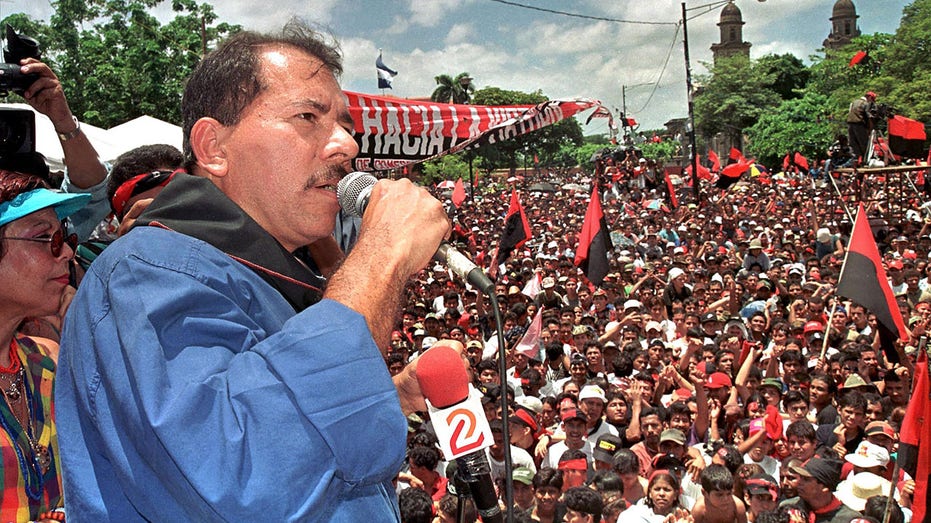
Ortega first emerged as a leader of the Sandinista National Liberation Front in the 1960s, a Marxist‑inspired guerrilla movement that overthrew the Somoza dictatorship in 1979 and aligned Nicaragua with Cuba and the Soviet Union during the Cold War.
He governed the country until 1990, accepted electoral defeat that year, spent sixteen years leading opposition activities, and was re‑elected in 2016, after which he and his family accelerated the consolidation of power.
In 2025, a constitutional amendment created the position of co‑president, which Ortega filled with his wife Rosario Murillo, who now delivers daily addresses to the nation.
The government’s crackdown on anti‑Ortega protests in 2018 demonstrated its willingness to suppress dissent, while several of Ortega and Murillo’s children have assumed prominent roles in state media, cultural programs, and foreign diplomacy.
U.S. officials warned that the regime’s actions threaten regional security, exacerbate illegal migration, and undermine democratic norms, calling on the international community to oppose the abandonment of electoral processes.
Among the family’s appointments, Daniel Edmundo Ortega Murillo heads communications and oversees state‑run media, another son operates a radio‑television outlet that amplifies government messaging, daughter Camila Ortega Murillo directs cultural and fashion initiatives, and Laureano Ortega Murillo manages diplomatic relations with China and Russia, focusing on investment and trade.