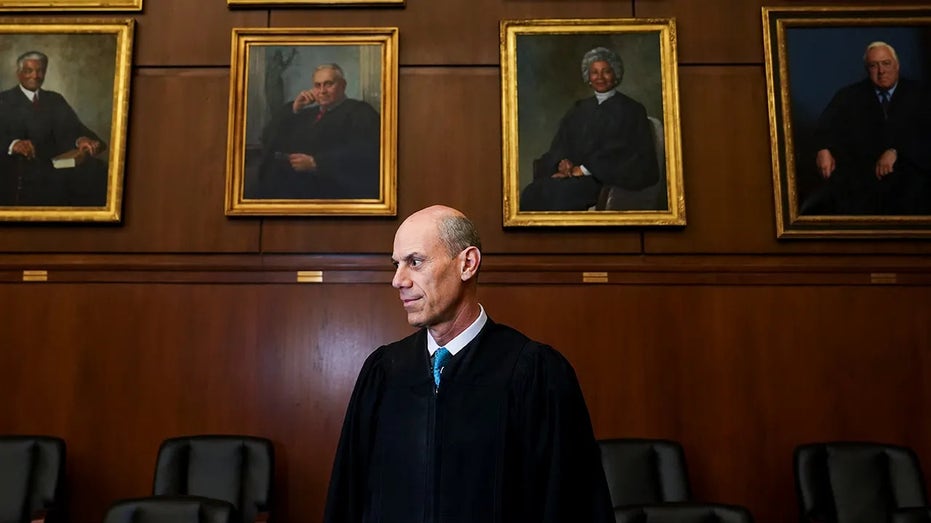
Chief Judge James Boasberg has drawn criticism for his handling of a lawsuit alleging viewpoint‑based enforcement of graffiti laws in Washington, D.C.
During the 2020 protests, Black Lives Matter slogans appeared on streets and public property, and law‑enforcement officials largely permitted the expressions.
When the Frederick Douglass Foundation and Students for Life of America wrote “Black Pre‑Born Lives Matter” in chalk on a sidewalk, police arrested the participants and removed the markings.
The groups filed a federal suit claiming that the city discriminated against their speech in violation of the First Amendment.
The district court dismissed the case, applying a stringent “invidious enforcement” standard typically used for equal‑protection claims, rather than the standard appropriate for a free‑speech challenge.
The D.C. Circuit Court reversed the dismissal, emphasizing that the government may not discriminate based on viewpoint and that the lower court had applied the wrong legal test.
The appellate court remanded the case, directing the district court to develop a factual record on whether the city’s enforcement was selective.
Boasberg issued a second dismissal, again denying a trial despite the plaintiffs’ submission of body‑camera footage and internal police communications showing officers witnessing BLM graffiti.
Evidence presented included video of officers observing a protester spray‑painting “I can’t breathe” near the White House and statements from senior police officials confirming observation of defacement during BLM demonstrations.
Legal analysts argue that the determination of selective enforcement should rest with a jury, and that the judge’s repeated dismissals may exceed his discretionary authority.
The appellate court has received a new appeal of Boasberg’s latest order, highlighting ongoing concerns about judicial overreach and the protection of free expression.
The dispute reflects broader questions about how selective law enforcement can affect constitutional rights and underscores the need for clear judicial standards in First Amendment cases.