More than 70 % of the facilities that produce prescription drugs for the United States are located abroad, highlighting a long‑standing vulnerability in the nation’s pharmaceutical supply chain.
Complex state and federal regulations have historically delayed the activation of new domestic manufacturing sites, with some projects remaining idle for up to 14 months while awaiting post‑construction reviews.
These delays have contributed to drug shortages for patients and have limited the availability of high‑paying manufacturing jobs within the United States.
An executive order was issued to reduce regulatory obstacles, incentivize domestic production, and improve the security of the medicine supply for American patients.
In response, the Food and Drug Administration launched the PreCheck Pilot Program, a streamlined pathway intended to accelerate the approval of new drug‑manufacturing facilities.
The program operates in two phases: an early Facility Readiness Phase that provides technical and regulatory feedback before operations begin, followed by an Application Submission Phase that offers intensified FDA engagement to resolve questions and expedite inspections.
By identifying potential compliance issues early, the PreCheck initiative aims to shorten approval timelines, increase regulatory predictability, and bring domestically produced medicines to market more quickly.
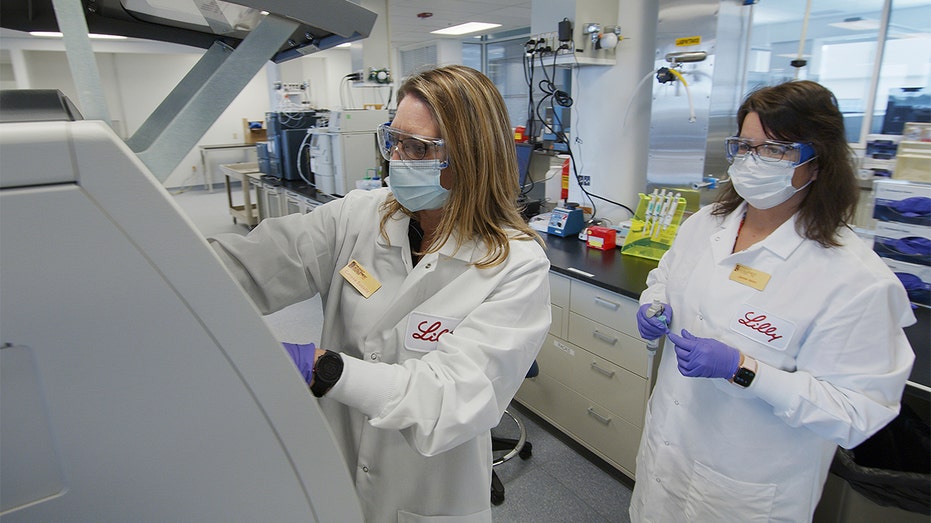
The initial cohort of seven participants—including companies such as Eli Lilly, Regeneron, Amneal, Cellares, Fujifilm Biotechnologies, Kriya Therapeutics and Kyowa Kirin—has begun construction of facilities that will produce a range of products from cell and gene therapies to standard intravenous solutions.
These projects are projected to create thousands of long‑term, high‑wage positions for scientists, engineers, technicians and operators, while also generating additional employment throughout surrounding communities.
Beyond the pilot, the FDA has released draft regulations to simplify pathways for distributed manufacturing and to increase transparency regarding foreign drug suppliers.
The agency is also prioritizing applications for older generic medicines that rely on domestic supply chains; such drugs account for roughly 90 % of all prescriptions written in the United States.
Achieving broader onshoring of pharmaceutical production will require coordinated action among the Department of Health and Human Services, private industry, and state and local authorities, given its implications for health, national security and economic prosperity.
In parallel, the Department of Health and Human Services introduced Operation TrialBlazer, an initiative aimed at returning clinical trials to U.S. sites by modernizing development processes and reducing regulatory burdens.
Through regulatory reforms, the PreCheck program and related initiatives, the FDA seeks to enhance patient safety, stimulate high‑technology job growth, and increase the United States’ self‑sufficiency in critical medicines.