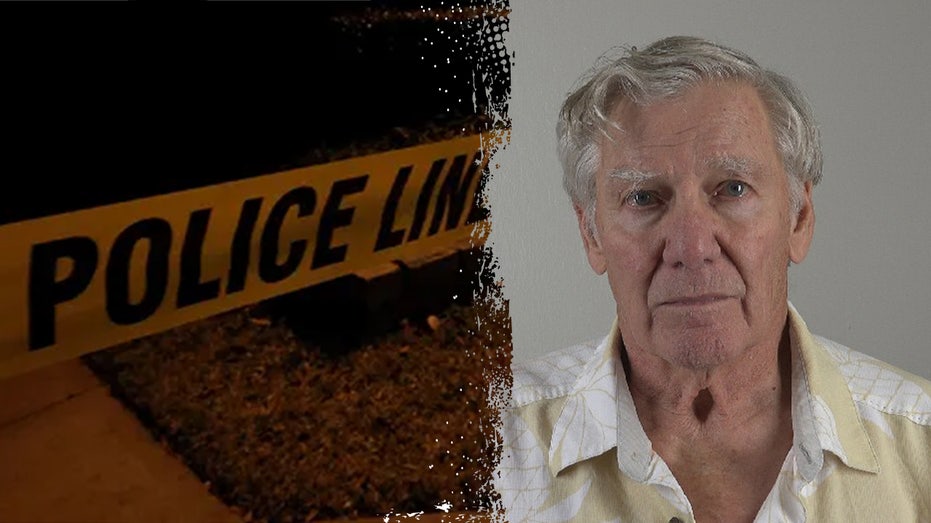
A 79-year-old Colorado man has been indicted in the 1981 strangulation death of a Texas flight attendant, following a DNA breakthrough that linked evidence from his trash to blood found on the victim’s clothing.
Larry Dean Brown was arrested June 8 in Colorado and indicted June 29 by a Tarrant County grand jury on a murder charge. He was later extradited to North Texas and booked into the Tarrant County Jail.
Brown is accused of killing Beverly "Casey" Bruneau, a 35-year-old Braniff Airlines flight attendant found dead in her Grapevine apartment on Feb. 13, 1981.
An arrest warrant affidavit states Bruneau’s boyfriend discovered her body on the living room floor after she failed to answer his calls. An electrical cord was wrapped around her neck, with blood visible on her face and nightgown.
The apartment showed signs of a struggle, and the Tarrant County medical examiner determined Bruneau was strangled during the midmorning hours.
Brown drew investigators’ attention on the day of the killing when detectives visited his wife, Bruneau’s best friend and former roommate. Both women worked as Braniff flight attendants and jointly owned a house in Dallas.
With his wife away on an international flight, Brown spoke with detectives himself. One investigator described him as evasive and noted he repeatedly gave similar answers.
Detectives documented a fresh injury beneath Brown’s right thumbnail, where the top layer of skin appeared torn away. Brown claimed he injured his thumb at work, but the detective found the explanation inconsistent with the wound.
Investigators also examined financial disputes tied to the Dallas property jointly owned by Bruneau and Brown’s wife. The home had been damaged by fires in November 1980, at least one of which was believed to be arson.
Brown, a laid-off Braniff pilot and flight engineer, held a partial interest in a construction company. After the fires, he allegedly obtained inflated repair estimates and attempted to pressure Bruneau to sign fraudulent insurance documents.
The case remained unsolved for decades. In 2010, preserved evidence including Bruneau’s bloodstained nightgown was submitted for testing that produced an unidentified male DNA profile, which was entered into CODIS without a match.
A Grapevine detective reopened the investigation in 2025. The following year, Colorado authorities assisted in collecting a covert DNA sample from Brown by retrieving discarded soda bottles from his trash.
Lab analysis indicated the DNA from one bottle could not exclude Brown as the contributor of male blood on Bruneau’s nightgown. Confirmatory forensic testing remains pending.