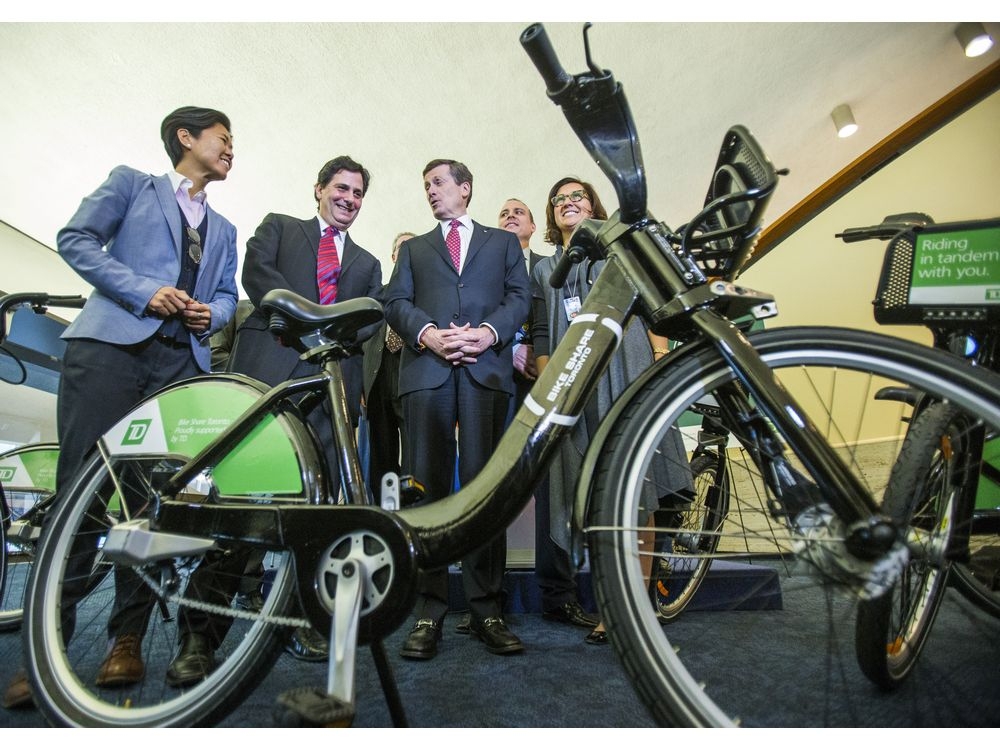
Nearly $400,000 worth of bicycles from Toronto’s bike share program have been written off as lost over the past three years, highlighting a growing problem of theft and disappearance.
The Toronto Parking Authority, which operates Bike Share Toronto, disputes the accuracy of figures obtained through freedom-of-information requests showing the scale of the losses.
A political advocacy group member requested the documents after noticing an increasing number of stolen bike share bicycles in his downtown neighbourhood, often in the possession of individuals struggling with addiction.
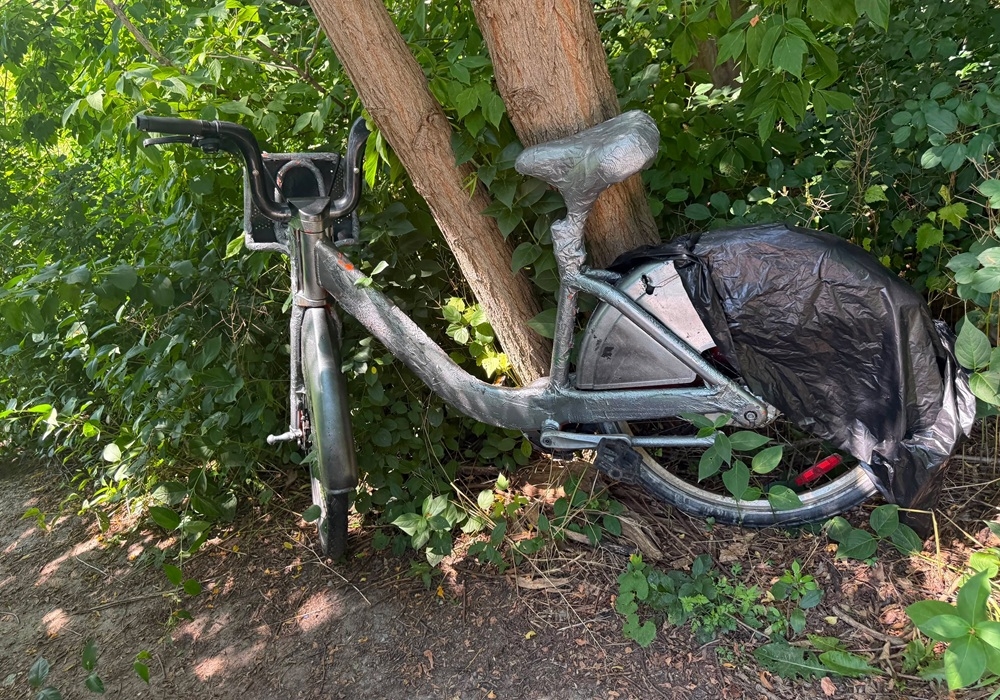
The parking authority states the program has grown significantly since its 2017 launch, with annual ridership five times higher and more than 37 million total rides taken across a fleet of over 11,000 bicycles.
Internal emails reveal concern among staff about the rising losses, with a senior manager noting $191,400 in missing bikes would be written off in 2024 and questioning why the number was so high.
Records show missing or stolen bicycles climbed from 267 in 2023 to 346 in 2024, then to 434 in the first ten months of 2025, with most involving the lower-cost Iconic model.
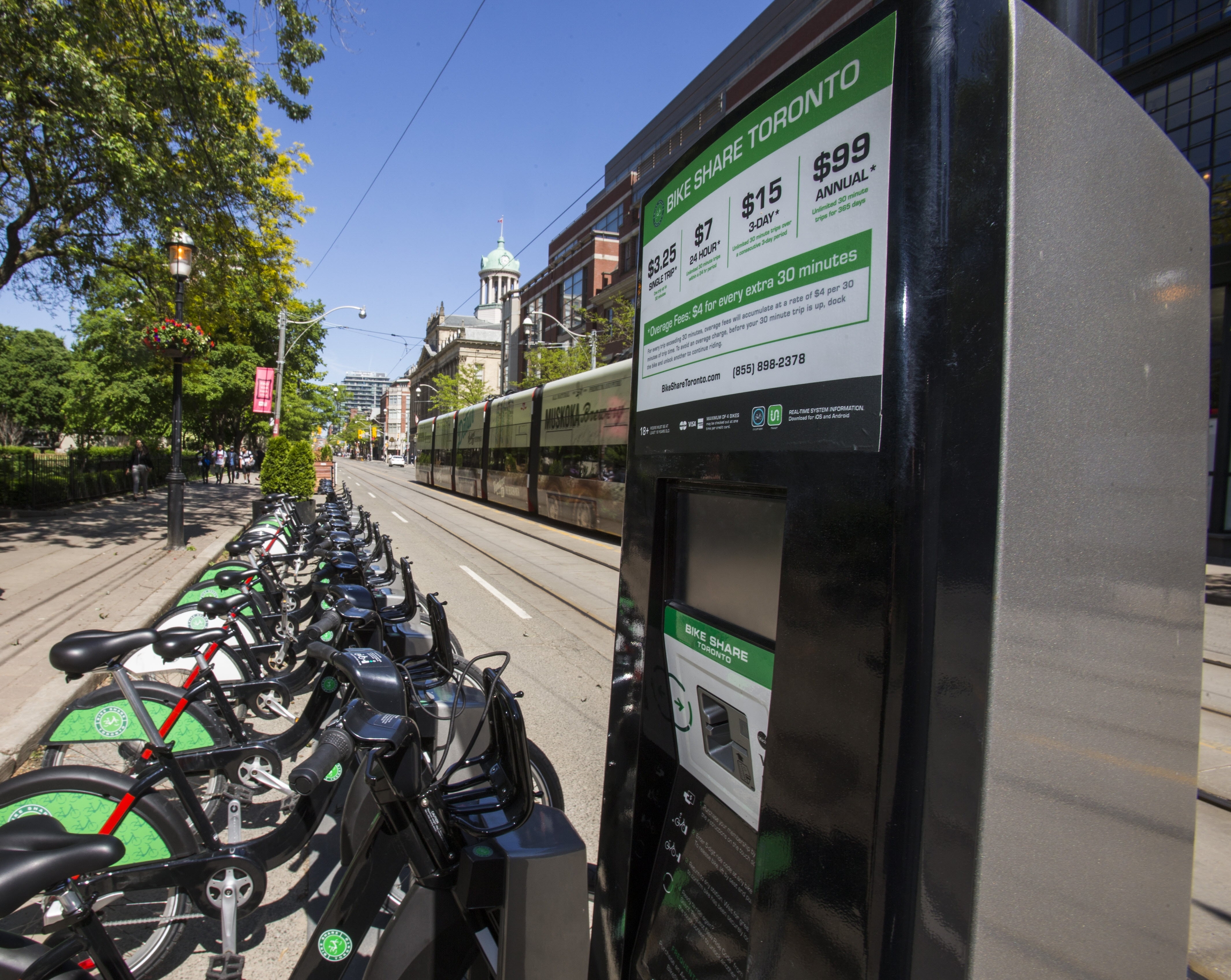
Damaged bicycles also increased, from 38 in 2023 to 61 in 2024 and 48 in the first ten months of the following year.
The parking authority contends the final write-off total is 247 bikes over three years at a depreciated value of $398,000, representing roughly 0.61% of the fleet’s annual value and 0.79% of operating costs.
Operational emails indicate data tracking issues, including failures to automatically reclassify bikes as absent after 48 hours and recovered bicycles reappearing months or over a year after being reported missing.
Staff have also cited quality control problems and docking glitches that prevent the system from clearing bikes flagged as missing.
The parking authority says it continues to invest in upgraded infrastructure and technology to improve customer experience and protect the fleet.
It remains unclear how theft reports are divided between the parking authority and police, though police treat stolen bike share vehicles as criminal offences.
Internal correspondence shows customer service agents were retrained after a Good Samaritan who found a stolen bike in a homeless encampment was told to retrieve it personally rather than wait for recovery.
A customer who reported multiple recovered bikes received no acknowledgment and was instructed to return a found bicycle himself, prompting criticism from a bike share director who called the response a failure.
An advocacy representative argued the program suffers from weak incentives, noting the authority’s abandoned bike fee is ineffective and users who report missing property receive no meaningful reward.
He also questioned whether oversight by a parking-focused agency and external operators leaves the program without clear accountability for recovering stolen assets.