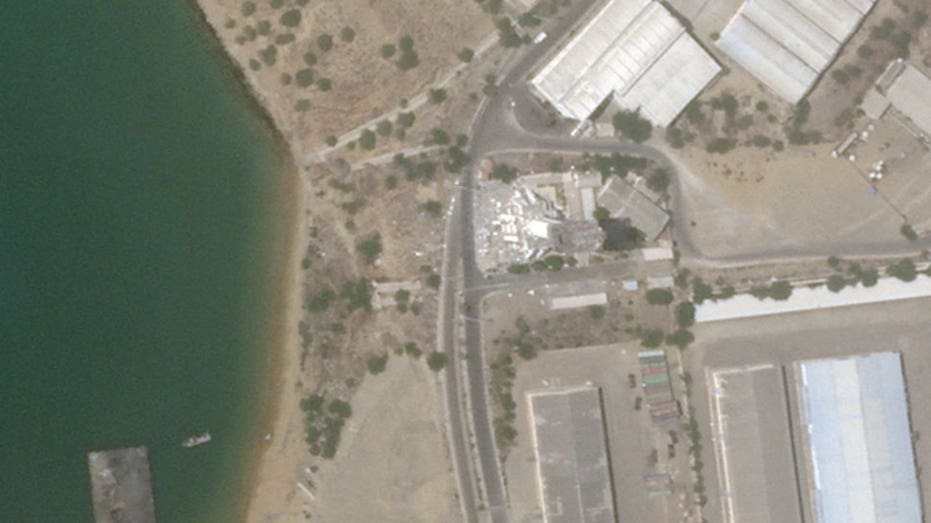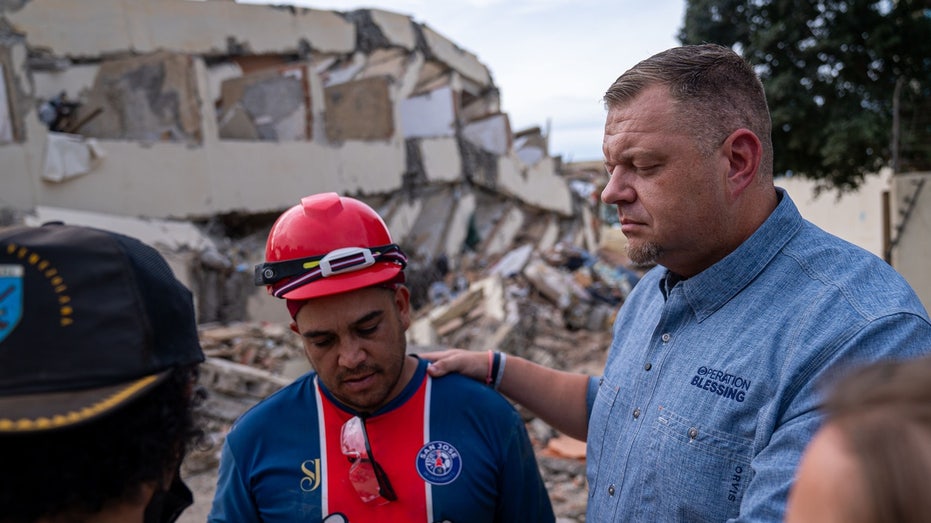
A relief team arrived in Venezuela after a recent earthquake, expecting to confront a nation in crisis but instead found resilience and generosity among local communities.
Media coverage of political turmoil and economic collapse had shaped expectations of hostility and scarcity, leading many observers to anticipate a harsh welcome.
In reality, the team saw neighbors helping one another despite limited resources, with taxi drivers traveling long distances to join search‑and‑rescue efforts and families volunteering to clear rubble.
Local volunteers and churches organized the distribution of supplies, working into the night to provide meals and emergency aid for those affected.
Most first responders were Venezuelans, demonstrating strong local capacity for disaster response and community solidarity.
Prior to deployment, some had questioned the appropriateness of international aid given political concerns, but witnessing the humanitarian crisis firsthand highlighted the need to separate politics from people.
Children displaced by collapsed homes and parents searching for lost family photos were not responsible for government policy, and volunteers acted out of compassion rather than endorsement.
Historical patterns of humanitarian assistance emphasize people over politics, a principle evident in this context.
The warmth and gratitude expressed by Venezuelan communities toward the volunteers stood out, with no political agenda but a shared sense of humanity.
Ordinary people worldwide share common concerns—family, celebration, grief—and instinctively help one another when disaster strikes.
The team returned with a changed perspective, seeing a human story rather than a political one.
A conversation revealed that some families remain displaced from a 1999 disaster, and the current earthquake continues that long‑term trajectory.
Long‑term needs include safe housing, schools, jobs, and community rebuilding once media attention fades.
While not all challenges can be solved, continued compassion and support through volunteering or donations to trusted humanitarian organizations remain essential.
The message underscores that human suffering transcends political divides and that hope is built through acts of kindness.