The NATO summit in Ankara brought renewed focus on two critical U.S. defense systems: the F‑35 fighter jet and the Patriot missile interceptor.
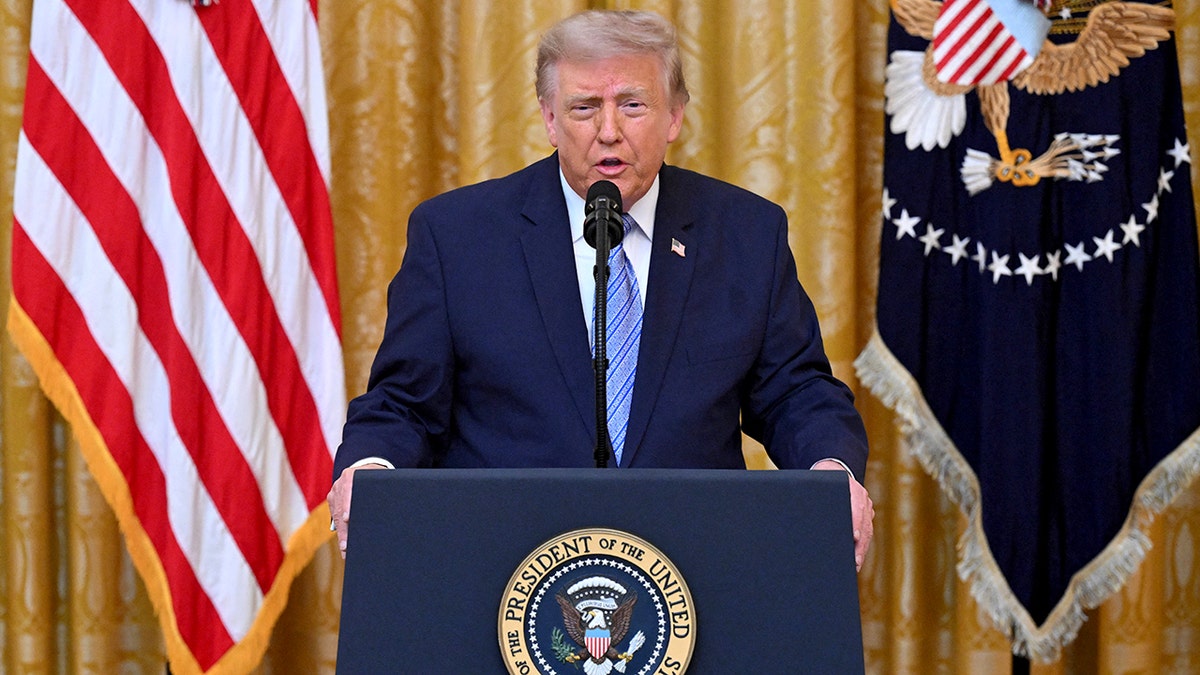
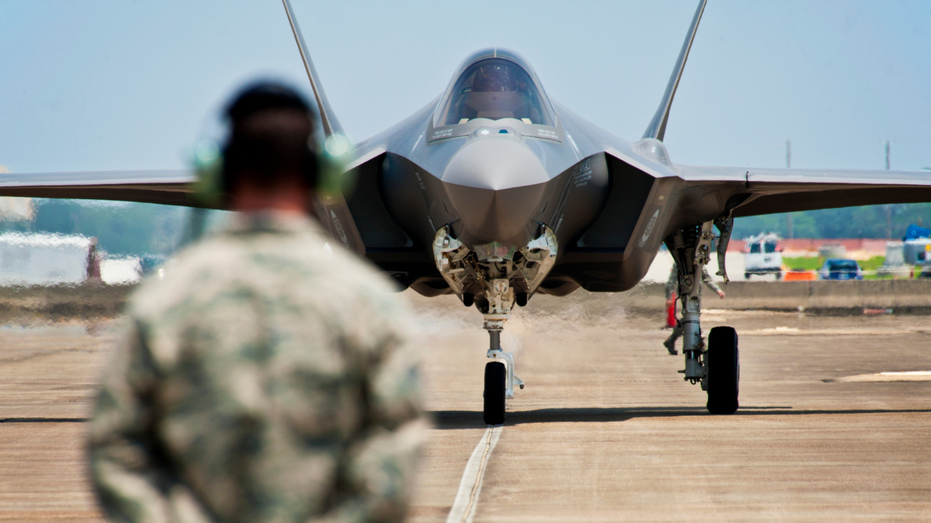
During the opening session, the president of the United States signaled a willingness to reopen the F‑35 program to Turkey, a country that was excluded in 2019.
The following day, the same president announced that Ukraine could be granted a license to manufacture Patriot missile interceptors, a move that would strengthen Kyiv’s air defense capabilities.
These statements underscore a continued U.S. commitment to NATO allies and signal a robust stance against Russian military advances.
Ukraine faces a barrage of ballistic missiles and a high volume of drones, with recent attacks demonstrating the need for effective interception systems.
While the prospect of domestically produced Patriot batteries in Ukraine remains distant, the United States has prioritized increasing production capacity.
A $10 billion contract with Lockheed Martin and a new manufacturing plant by Boeing in Alabama aim to triple the output of Patriot missile seekers, which use advanced millimeter‑wave radar to strike incoming warheads with precision.
In response to the heightened threat, NATO and the U.S. have transferred Patriot batteries from the Netherlands, Poland, Germany, and Israel to Ukraine.
Polish defense companies have joined the supply chain, producing critical components such as attitude‑control motors and integrating Patriot systems into national missile defense networks.
Poland’s defense ministry confirmed agreements with the United States, Germany, the Netherlands, and Sweden to establish a service center for Patriot PAC‑3 missiles.
Turkey’s historical involvement with the F‑35 program began in 2002, with plans for domestic production of key aircraft components and a reputation for strong cooperation with NATO.
Concerns over Turkey’s 2019 acquisition of the Russian S‑400 air defense system led to its exclusion from the F‑35 program, amid fears of data compromise and tactical link interference.
Today, F‑35s operate across the Middle East and near Russia’s borders, and Turkey has developed its own missile defense system independent of Russian hardware.
Reintroducing Turkish F‑35s could enhance deterrence along the Black Sea and bolster NATO’s southern flank against potential Russian aggression.