
A massive settlement of $58 billion has been reached by companies accused of recklessly marketing and distributing prescription opioid painkillers. The settlement is expected to be distributed among various entities, including local governments, addiction treatment providers, and government officials.
Nearly half of the settlement money will go to local governments, which will be responsible for distributing it. However, many local leaders lack training in addiction policy and may not have the necessary resources to make informed decisions about how to spend the money.
As a result, spending decisions have been made that many experts believe are unlikely to save lives or treat substance use disorders. In New York, for example, counties have spent tens of thousands of dollars on items such as surveillance cameras and technology to help police access data on locked cellphones.

These purchases have been criticized by advocates and families of overdose victims, who argue that they do not directly help people struggling with addiction or their families. Without clear oversight, counties have the opportunity to "go rogue" with the settlement money, said Jasmine Budnella, director of drug policy at VOCAL-NY.
Advocates and families have pushed for accountability, but have limited power to hold local governments accountable. A few states have passed new laws, but change is slow and uneven. The settlement agreements require the majority of the money to be spent on "opioid remediation," but the list of suggested expenditures is broad and open to interpretation.
Many states, including New York, have designated some portion of the settlement dollars as unrestricted, which allows for general spending. This has led to concerns that the money may be misspent or used for purposes that do not align with the goals of the settlement.

Local officials say that thoughtful planning takes time, but some advocates suspect ulterior motives. Millions of settlement dollars in bank accounts can generate sizable interest, and some counties have transferred this interest to their general funds, where it can be used for any purpose.
The Office of Addiction Services and Supports (OASAS) has been designated as the lead state agency for overseeing the settlement money. However, advocates have expressed frustration with the narrow role OASAS has carved out, and the lack of oversight and accountability.
The state comptroller's office has also been suggested as a potential oversight body. An audit is currently underway, but it is unclear what actions will be taken based on the results. Advocates are calling for more active roles from state agencies, including the attorney general's office, to ensure that the settlement money is spent on services that help people with substance use disorders and their families.
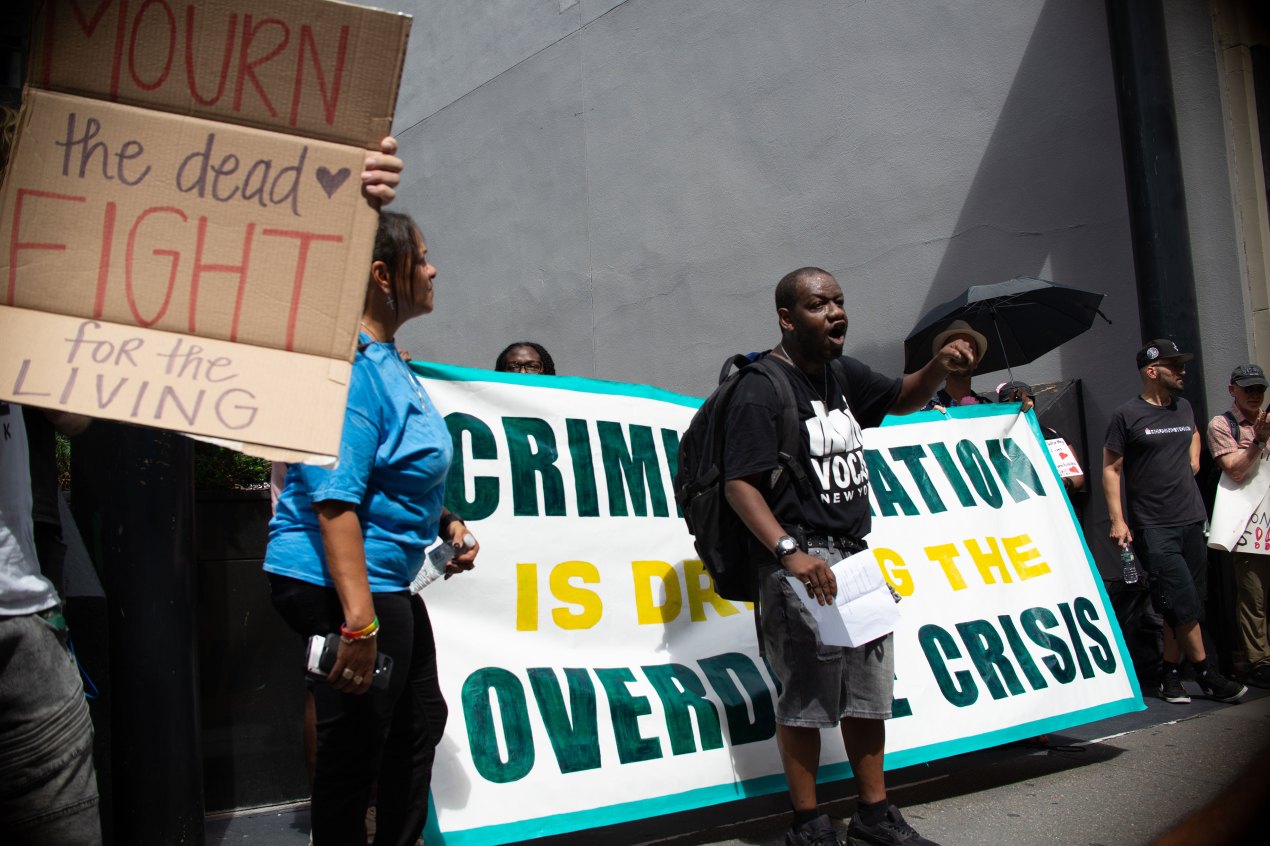
Some advocates have expressed hope that the settlement money can be used to turn the opioid epidemic around, but time is running out. Overdose deaths continue to claim about 186 lives per day, and the settlement money is expected to flow for more than a decade.
Advocates and researchers are pushing for greater accountability and transparency in the use of settlement money. They argue that the money should be focused on services that help people with substance use disorders and their families, rather than on law enforcement expenditures or other questionable uses.