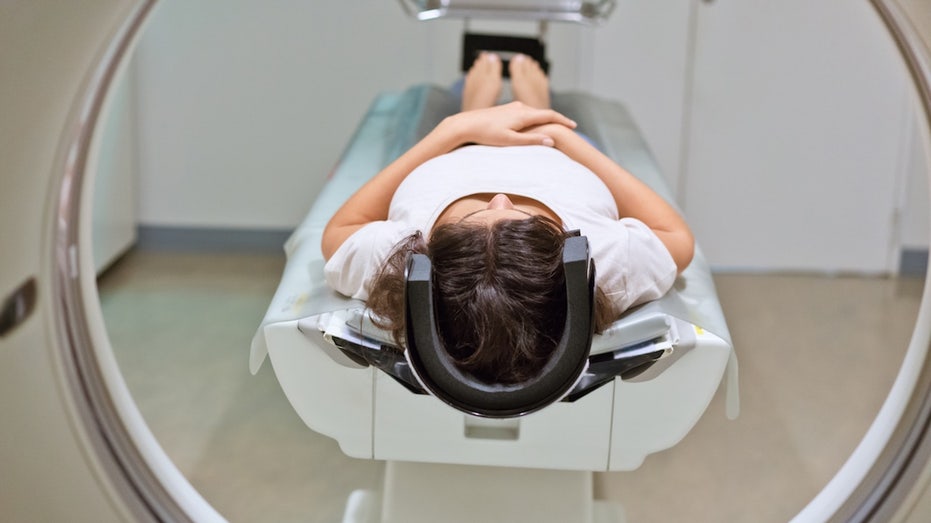
Doctors are weighing the promise and pitfalls of full-body MRI screenings, which have gained attention from celebrities and the public despite ongoing debate among medical experts.
Full-body scans use different technologies, including MRI, CT, or PET, to detect early signs of diseases such as cancer, heart disease, and other abnormalities, according to the Dana-Farber Cancer Institute.
Dr. Daniel Durand, chief medical officer at Prenuvo, a leading provider of full-body scans, compares the scan to a "virtual physical" that examines the inside of the body in a way that a traditional annual physical cannot.
Prenuvo's scan uses MRI technology to collect a "vast amount of health data," which is analyzed by two licensed providers and explained directly to the patient.
However, insurance typically does not cover whole-body scans, and coverage varies widely by insurance plan, jurisdiction, and specific clinical guidelines.
Prices for full-body scans can be as high as $2,500, and the two biggest providers are Prenuvo and Ezra.
Some medical experts, including Dr. Brett Osborn, a Florida neurologist and longevity expert, believe that full-body scanning presents a significant advancement in modern medicine's diagnostic capabilities.
MRI technology allows for a comprehensive, non-invasive examination of the body to detect a wide range of conditions, including cancer and vascular malformations, without the need for potentially harmful radiation.
However, other doctors, including Dr. Mikhail Varshavski, also known as "Dr. Mike," a podcaster and primary care physician in New Jersey, do not recommend these scans to patients.
Dr. Mike notes that the high upfront cost and lack of clear medical indication for broad screening lead him to agree with major medical organizations that routine whole-body MRI screening for the general population is not recommended.
The most significant risks associated with these scans include false positives, overdiagnosis, and overtreatment, as well as mental risks such as anxiety and an increase in health-related worries.
Research published in 2020 found that imaging abnormalities are expected in about 95% of screened subjects, which can lead to unnecessary stress and anxiety.
Dr. Mike also notes that long-term data on these screening scans is not yet available, making it difficult to determine whether they are saving more people by catching disease early or harming more people with overdiagnosis and false positives.
The FDA has also expressed concerns about the benefits of whole-body scanning for asymptomatic individuals, stating that there is no scientific evidence demonstrating more benefit than harm.
The American Academy of Family Physicians recommends against full-body scans for early tumor detection in asymptomatic patients, citing concerns about the potential risks and benefits.