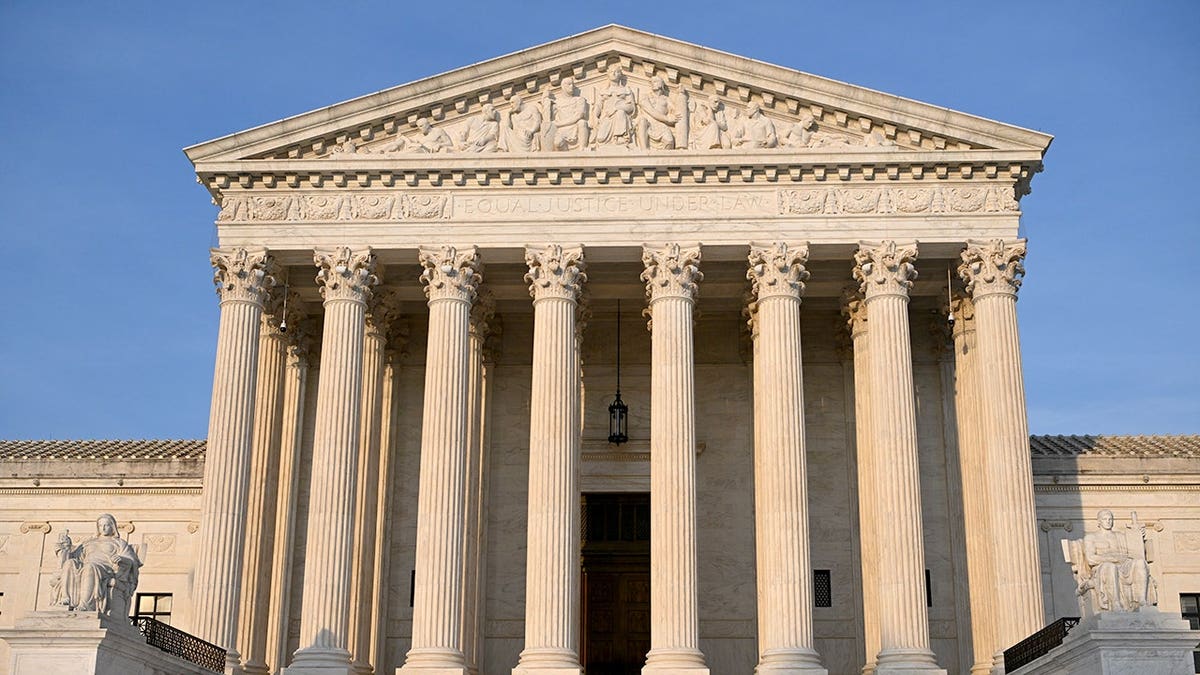
A zoning technicality is being used to prevent Americans from seeking justice in court when their First Amendment rights are threatened by the government. The Supreme Court has agreed to review this issue in the case of Grand v. City of University Heights, and it should rule in favor of the plaintiff.
Daniel Grand, an Orthodox Jew from University Heights, Ohio, was forced to navigate a complex zoning process after his neighbors complained about him hosting a prayer group in his home. The city sent him a cease-and-desist letter, demanding that he obtain a special use permit to continue praying with his group. Grand applied for the permit, but the process was hostile and ultimately led to a ruling that would have required him to convert his home into a "house of worship," effectively prohibiting him from living there.
Grand abandoned the permit process and instead filed a civil rights lawsuit to protect his First Amendment right to pray in his own home. However, the courts never reached the merits of his case, dismissing it as "unripe" because Grand had withdrawn his permit application. This ruling was based on a 1985 takings case, Williamson County Planning v. Hamilton Bank, which established that a land-use claim is not ripe until government officials reach a final decision through the prescribed administrative process.
The problem with applying this rule to First Amendment cases is that the injury occurs at the moment the government threatens to chill the exercise of a constitutional right. In Grand's case, he was injured when he received the cease-and-desist letter and cancelled his prayer meeting as a result. Requiring him to exhaust the zoning process did not sharpen the injury, but rather delayed his access to justice.
The Sixth Circuit's ruling in Grand's case has created a nefarious playbook for governments to shut down unpopular meetings or houses of worship. By demanding a permit and then hiding behind bureaucratic boards and hearings, governments can effectively lock the courthouse door to citizens seeking to protect their constitutional rights. This split among the circuits has created a situation where the same coercion is reviewable in one part of the country and untouchable in another.
The principle at stake in Grand's case is fundamental: the Constitution does not require Americans to ask permission before gathering and praying in their own homes. When an official demands a permit to pray, citizens should be able to walk into court immediately, without having to accede to the unconstitutional permit request by subjecting themselves to a zoning process. The Supreme Court should plainly state that the finality rule belongs in takings law, but has no place in locking the courthouse door to First Amendment claims.