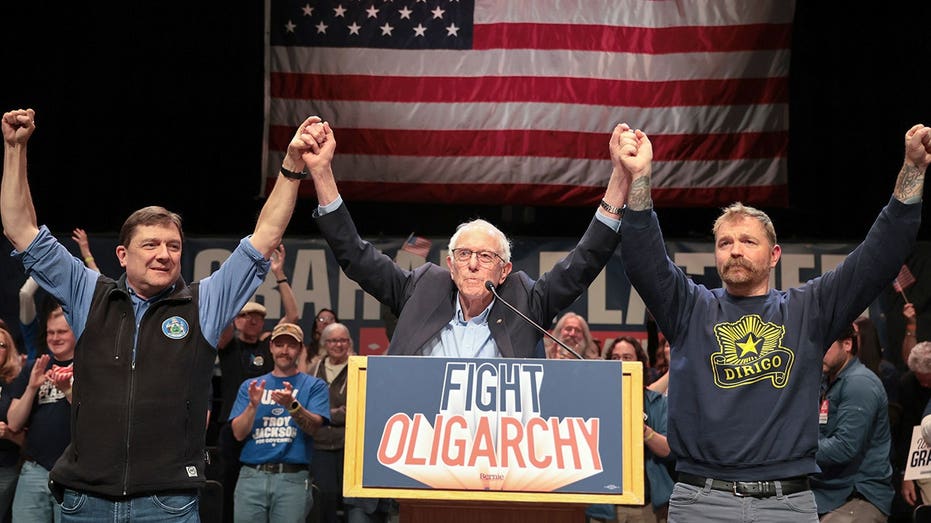
The debate about America's shift to the left has been reignited after several Democratic Socialist and progressive outsider victories in recent elections. Mayor Zohran Mamdani's rise in New York and Graham Platner's meteoric rise in Maine have sparked similar headlines. However, the conventional wisdom that these victories signal a country embracing increasingly liberal ideas may be misguided.
The rise of democratic socialism is not the story, but rather a symptom of a deeper issue. Millions of Americans have lost confidence in the institutions they once trusted to solve problems, create opportunity, and make government work. When confidence in institutions collapses, voters become more willing to embrace candidates who promise to disrupt the status quo.
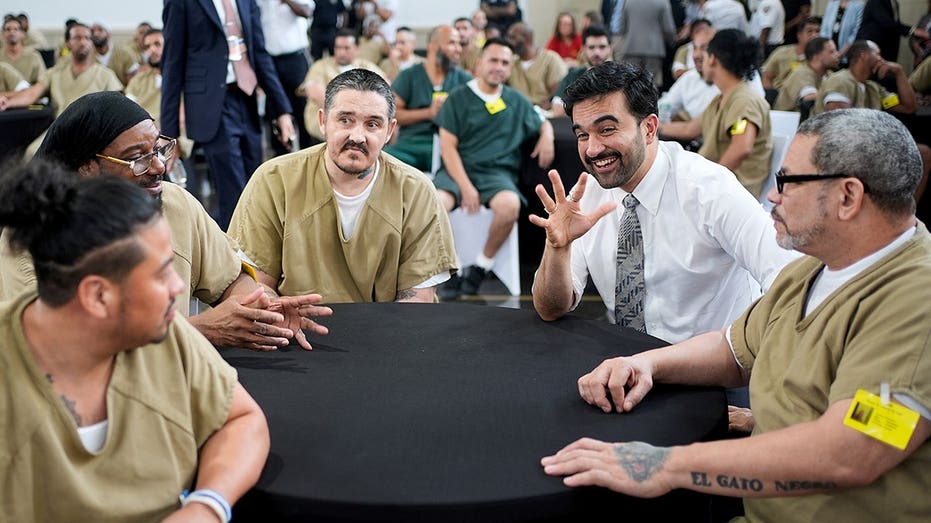
Gallup's latest polling reveals historic lows in confidence in America's institutions. Congress commands the confidence of just 9% of Americans, and confidence in the criminal justice system, organized religion, higher education, big business, and other institutions has eroded dramatically over the past generation. This is not a crisis in one institution but a crisis of confidence in the entire system.
The distinction between a crisis in one institution and a crisis of confidence in the entire system is crucial. Politics doesn't happen in a vacuum, and voters evaluate candidates not only based on policy positions but also on whether the institutions surrounding those policies are capable of delivering results. When Americans stop believing those institutions work, they start looking for alternatives, often in the form of outsiders.
Candidates who promise to challenge institutions are outperforming those who promise simply to manage them. This is evident in the rise of Platner and Mamdani, who represent a rejection of politics as usual and a desire for disruption. Their supporters aren't voting for a platform but for a rejection of institutions they believe have failed them.
The defining divide in American politics is no longer Democrat versus Republican or liberal versus conservative. Instead, it is increasingly establishment versus anti-establishment, institution versus outsider. The rise of democratic socialism and right-wing populism are different political expressions of the same underlying condition: millions of Americans no longer believe the institutions around them are capable of solving the problems they face.
A healthy democracy depends on citizens believing that its institutions are fundamentally legitimate and capable of correcting mistakes, enforcing rules fairly, and delivering results. When that confidence disappears, disruption becomes more attractive than stability. History tells us that people rarely embrace political movements on the fringe simply because they wake up one day with a new ideology. They do it because they lose confidence in the institutions that once made moderation feel sufficient.
Until our institutions begin earning back the confidence of the American people, we shouldn't be surprised to see more candidates like Zohran Mamdani or Graham Platner. They aren't the cause of this political moment, but rather the consequence of it.