
Tennessee became the first state to allow adults to purchase ivermectin without a doctor’s visit, enabling pharmacies to dispense the drug through a blanket prescription.
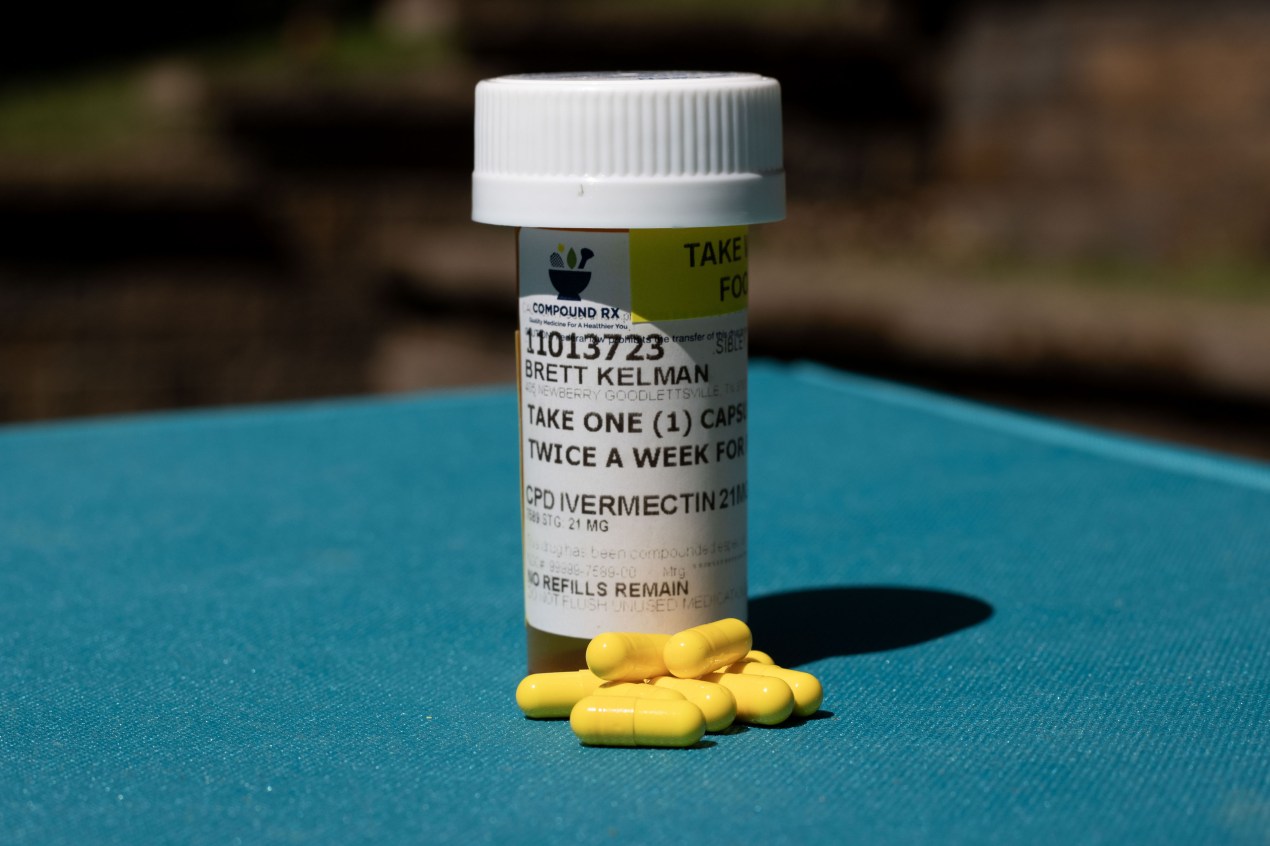
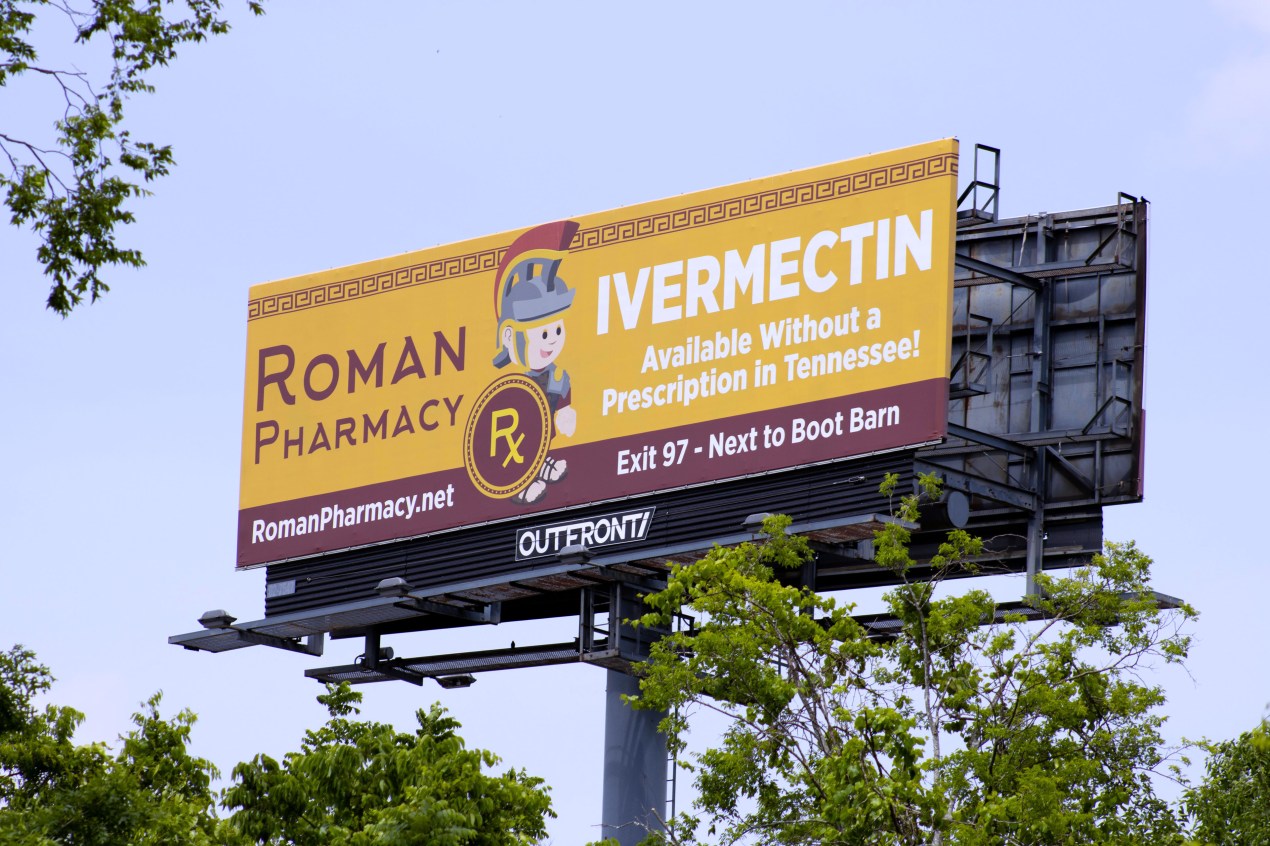
The medication is now marketed in roadside shops and small‑town strip malls, with highway billboards advertising its availability without a prescription. Pharmacies also offer highly concentrated pills, sometimes up to twenty times the strength of a standard tablet.
Ivermectin is a Nobel‑prize‑winning drug approved by the FDA for treating parasitic infections in humans and is also used as a dewormer for livestock. The drug is typically administered with a single dose of three or four prescription‑strength tablets.
Its popularity surged during the COVID‑19 pandemic when fringe doctors and anti‑vaccine activists promoted it as a cure. Clinical trials have shown it offers no benefit against the virus.
Beyond the pandemic, ivermectin has become a symbol of resistance among certain political groups, who view it as a challenge to mainstream medicine.
Researchers studying health misinformation note that the drug evolved into an ideological flag, allowing influencers to push it for unproven uses.
After a hantavirus outbreak on a cruise ship, unverified claims that ivermectin can treat the virus circulated among right‑wing figures. No research supports its efficacy for hantavirus.
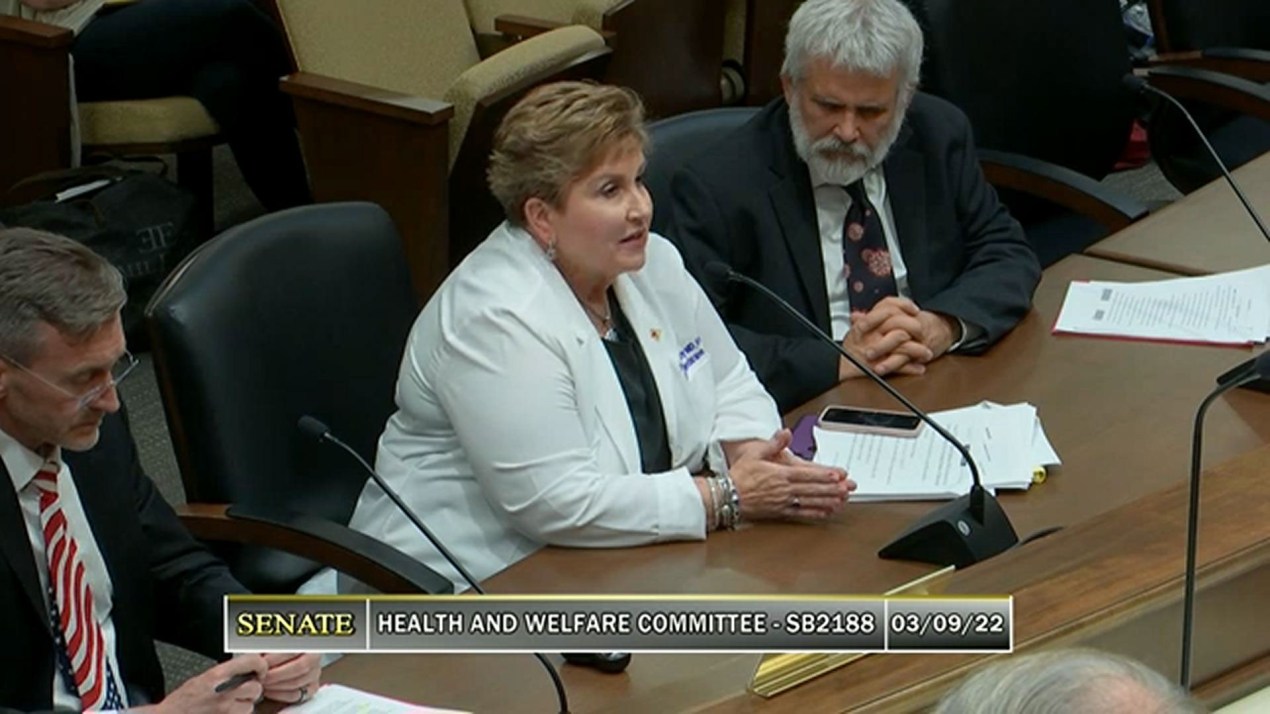
The bill passed under a Republican supermajority, catching medical officials off guard and granting a victory to groups that spread COVID‑19 misinformation.
Pharmacies now offer ivermectin for conditions such as COVID, long‑haul symptoms, diabetes, and cancer, despite a lack of evidence, while the law largely protects pharmacists from lawsuits and professional sanctions.

Over two dozen other states have considered similar legislation, potentially extending the practice nationwide.
Concerns grow over high‑potency pills sold at compounding pharmacies, with some products reaching ten to twenty times the standard dose.
The state poison center has recorded a rise in potential ivermectin overdoses, with symptoms including vomiting, blurred vision, neurological issues, and difficulty walking.
A pharmacist estimates that up to twenty people purchase the drug weekly, with peak demand reaching double or triple that number.
Under the