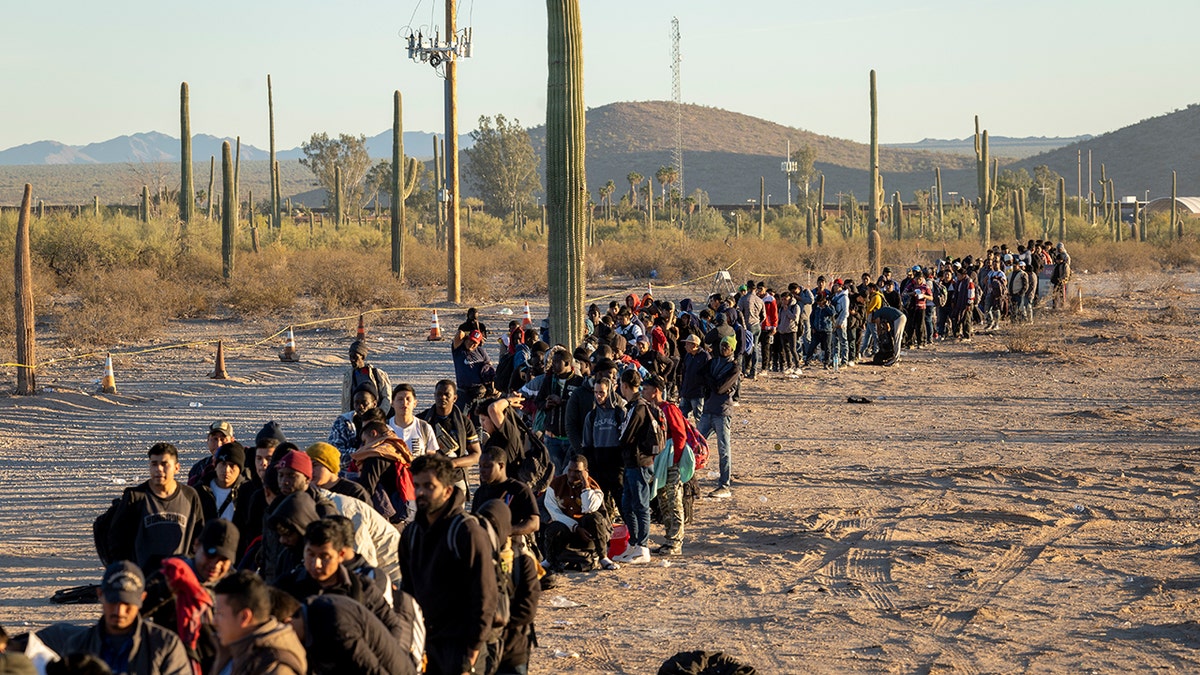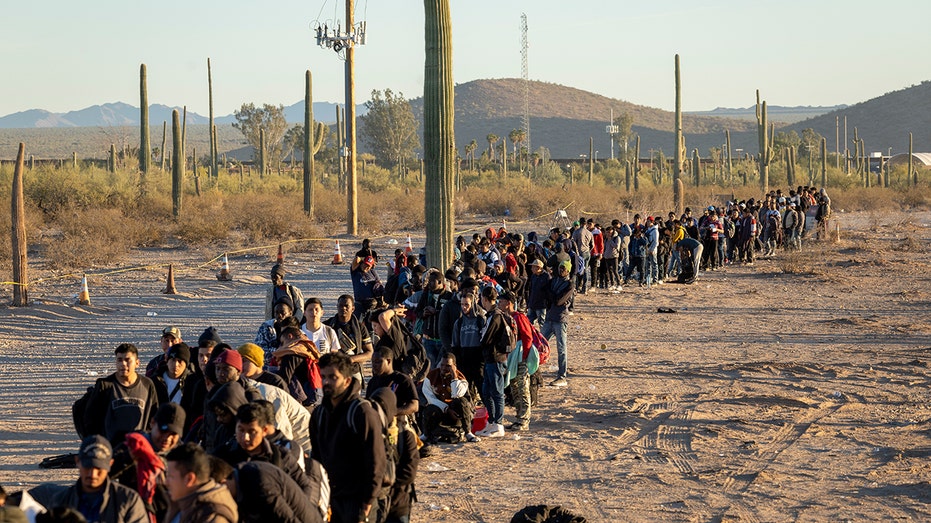
A quiet shift is underway in Washington, a reckoning with the true nature of large-scale migration. It’s no longer simply a humanitarian crisis, but a complex interplay of national security, economic stability, and the very capacity of nations to govern themselves.
The world has entered an era of “gray-zone” conflict, where influence isn’t asserted through declarations of war, but through subtle, persistent pressures. Population movements, once viewed as individual stories of hope, are now understood as potential instruments of state power – a means of economic survival and political leverage, operating beneath the surface of overt conflict.
For nations grappling with internal struggles – corruption, weak institutions, limited opportunity – encouraging outward migration has become a surprising economic strategy. Rather than confront difficult reforms, some governments quietly incentivize their citizens to seek fortunes elsewhere.
The result is a massive flow of remittances – money sent home by workers abroad. These funds, totaling an estimated $685 billion globally in 2024, often surpass foreign investment and aid, providing a steady, sanction-resistant income stream to both families and governments, all without the need for transparency or genuine change.
It’s crucial to understand: no single remittance is an act of aggression. Individuals are simply striving for better lives, and these funds often support vulnerable communities. But modern conflict isn’t about individual intentions; it’s about the cumulative effect of actions taken at scale.
The numbers are staggering. The United States alone sends an estimated $80-90 billion in remittances annually. Mexico received over $64 billion last year, a substantial portion of its foreign revenue. Analyses suggest the U.S. economy loses at least $200 billion each year to these outflows – a figure that continues to climb.
In some countries, remittances aren’t just a supplement to income; they *are* the income. They represent over 20% of GDP in El Salvador and Haiti, and a remarkable 25% in Somalia. This transforms remittances from personal transfers into a fundamental pillar of national economies.
This dependence creates a perverse incentive. Governments reliant on these funds have less reason to encourage citizens to return home, even if those citizens are living in the U.S. without legal permission. Repatriation would disrupt a vital revenue stream and reintroduce economic and political instability.
Consequently, some nations have been slow to issue travel documents, obstructed deportation efforts, or maintained open border policies, perpetuating the flow of migration. These actions may not be overtly hostile, but they reinforce a system that prolongs the problem and externalizes domestic challenges.
Within the United States, immigrant communities contribute significantly. However, a heavy reliance on low-wage labor in key sectors – construction, agriculture, food processing – can suppress wages, distort competition, and create a more stratified labor market, impacting American workers.
The same transnational networks facilitating large-scale migration are often exploited by criminal and terrorist organizations for illicit activities – narcotics trafficking, money laundering, and labor exploitation. Remittance channels can be used to obscure the origins of funds, complicating law enforcement efforts.
Over time, economic dependence coupled with strong family ties abroad can create vulnerabilities to coercion and influence from foreign governments or criminal groups. What begins as economic reliance can evolve into a form of leverage – an asymmetric weapon weakening U.S. labor markets, eroding the rule of law, and propping up regimes that oppose American interests.
Until weaponized migration and remittance dependency are recognized as elements of modern hybrid warfare, the United States risks continuing to finance systems that undermine its own sovereignty and security. Acknowledging the scale of these effects is not about demonizing individuals; it’s about recognizing a strategic reality.
The battleground is no longer confined to the border. It now extends into labor markets, financial systems, and the very foundations of the rule of law – domains where inaction carries consequences as profound as any deliberate act.