The human brain, a fortress of thought and memory, is surprisingly vulnerable. Repeated blows to the head, once dismissed as “getting your bell rung,” can trigger a silent, insidious decline, leading to devastating consequences years later.
Scientists are now uncovering the long-term damage caused by cumulative head impacts, a condition known as chronic traumatic encephalopathy, or CTE. This progressive disease, tragically found in the brains of over 100 deceased NFL players, slowly erodes cognitive function, stealing memories and ultimately, a person’s very self.
But what if there was a way to shield the brain from this silent assault? A recent study from the University of Utah suggests a surprising answer: red light therapy. Researchers discovered a potential to actively combat the inflammation that fuels the progression of CTE and other brain injuries.
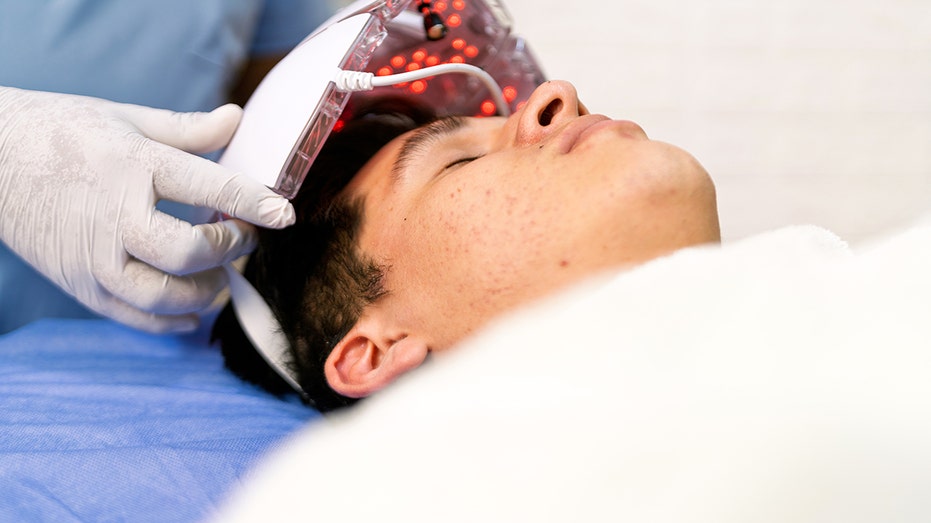
The study focused on 26 current football players, subjecting half to real red-light therapy delivered via a specialized headset and nasal device, while the other half received a placebo. Participants used the devices three times a week for 16 weeks, a simple regimen with potentially profound implications.
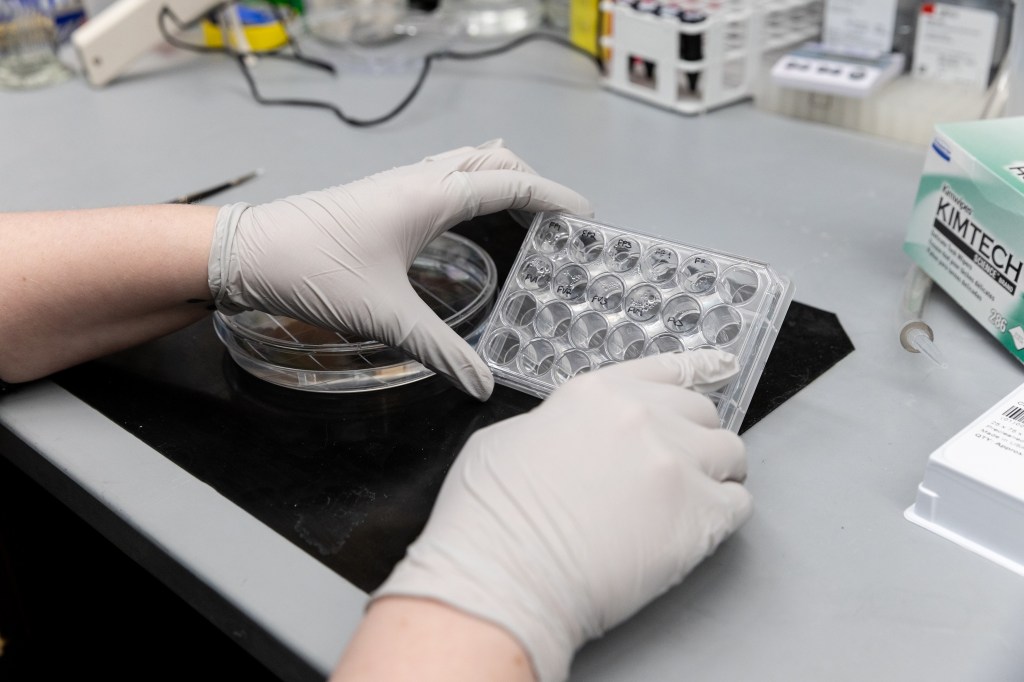
The results were striking. Players in the placebo group exhibited a clear increase in brain inflammation throughout the football season, visible through magnetic resonance imaging (MRI) scans. Their brains showed escalating signs of damage with each impact.
In stark contrast, the players who received actual red-light therapy experienced no increase in brain inflammation. The therapy appeared to neutralize the damaging effects of repeated head impacts, preserving brain health throughout the rigorous season.
The science behind this effect is fascinating. Red light, at a specific wavelength and intensity, can penetrate the skull and reach the brain, where it appears to dampen the inflammatory response. It’s a non-invasive approach with the potential to revolutionize how we protect the brain.
Initially skeptical, lead researcher Elisabeth Wilde, Ph.D., admitted the consistency of the findings has been “quite compelling.” Multiple studies are now pointing to the same conclusion: red light therapy may offer a powerful defense against brain inflammation.
While the initial study involved a relatively small group, the implications are enormous. Researchers acknowledge the need for larger, randomized clinical trials to validate these results in broader populations.
Looking ahead, the team plans to enroll 300 individuals – first responders, veterans, and those with persistent symptoms from traumatic brain injury or concussion – in a comprehensive trial beginning in 2026. This next phase of research could unlock the full potential of red-light therapy.
The ultimate goal, as stated by Carrie Esopenko, Ph.D., is to make sports, and life itself, safer. This research offers a beacon of hope, a potential pathway to protecting the brains of athletes, service members, and anyone at risk of head trauma, allowing them to pursue their passions with greater peace of mind.