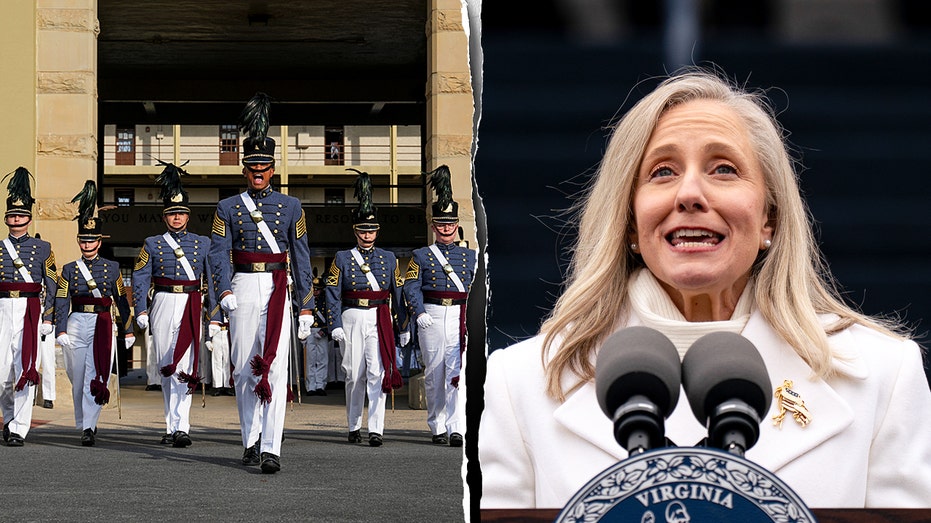
A shadow of uncertainty hangs over the historic grounds of the Virginia Military Institute. Legislation proposed by Virginia Democrats threatens not just funding, but the very existence of the college, potentially silencing a legacy built over centuries.
Cadets, fiercely loyal to their institution, are pushing back. Regimental Commander Devin Auzenne and Regimental S3 Captain Michael Ferrara stepped forward to defend VMI’s core values and challenge the allegations fueling this political storm.
“There’s a little bit of confusion on the cadet side,” Ferrara explained, frustration evident in his voice. He passionately asserted that VMI doesn’t simply educate students; it forges leaders – “prestigious men and women ready to serve the country.”
The numbers speak volumes. VMI boasts an extraordinary record of service, having produced approximately 300 generals and flag officers, seven Medal of Honor recipients, eleven Rhodes Scholars, and even a Nobel Prize winner. This isn’t just a school; it’s a crucible for national leadership.
Ferrara, soon to commission as a developmental engineer in the U.S. Air Force, chose VMI with a clear purpose: to serve. The potential loss of this institution feels like a betrayal of that commitment, and the commitments of generations before him.
Two resolutions currently threaten VMI’s future. One proposes a task force to re-evaluate state funding, while the other seeks to dissolve the Board of Visitors and place the school under direct state control. Losing state funding would almost certainly spell the end for VMI.
The current scrutiny stems from a 2021 state-sanctioned audit, initiated under then-Governor Ralph Northam, focusing on allegations of racism and sexism within the school’s diversity, equity, and inclusion policies. This investigation coincided with a broader national push for DEI initiatives.
The appointment of Northam to VMI’s Board of Visitors by current Governor Abigail Spanberger ignited further controversy, drawing sharp criticism from Republican lawmakers who questioned the impartiality of the oversight.
Despite accusations of lingering prejudice, the cadets vehemently deny these claims. Auzenne offered a powerful personal testament: “My two roommates, they look nothing like me, come from completely different places, worship different gods.”
He continued, describing a brotherhood forged in shared experience. “These are the people who I can call my brothers, my family, my friends, and anytime I ever need them, they'll always be here for me.” Auzenne firmly believes VMI is “the most inclusive environment” he’s ever known.
Auzenne, preparing to lead Marines after graduation, emphasized the unwavering commitment to the VMI Honor Code. This code, he explained, explicitly champions respect, understanding, and a firm stand against intolerance.
The Honor Code’s principles aren’t new additions; they’ve been ingrained in VMI’s culture for decades. Cadets are taught to “productively communicate, live and work with people from many backgrounds,” a principle Auzenne has witnessed firsthand.
VMI’s impact extends far beyond its walls. Notable alumni include former U.S. Ambassador to the United Nations Mike Waltz and Gen. John “Dan” Caine, Chairman of the Joint Chiefs of Staff under President Trump.
Perhaps the most iconic graduate is Gen. George Marshall, a pivotal figure in the Allied victory during WWII and later President Truman’s Secretary of State. His Marshall Plan, for which he received the Nobel Peace Prize, rebuilt Europe after the war.
Now, the fate of this storied institution rests with Virginia’s General Assembly and Governor Spanberger. The cadets, united in their defense of VMI, believe the proposed legislation would ultimately harm the school they hold so dear.