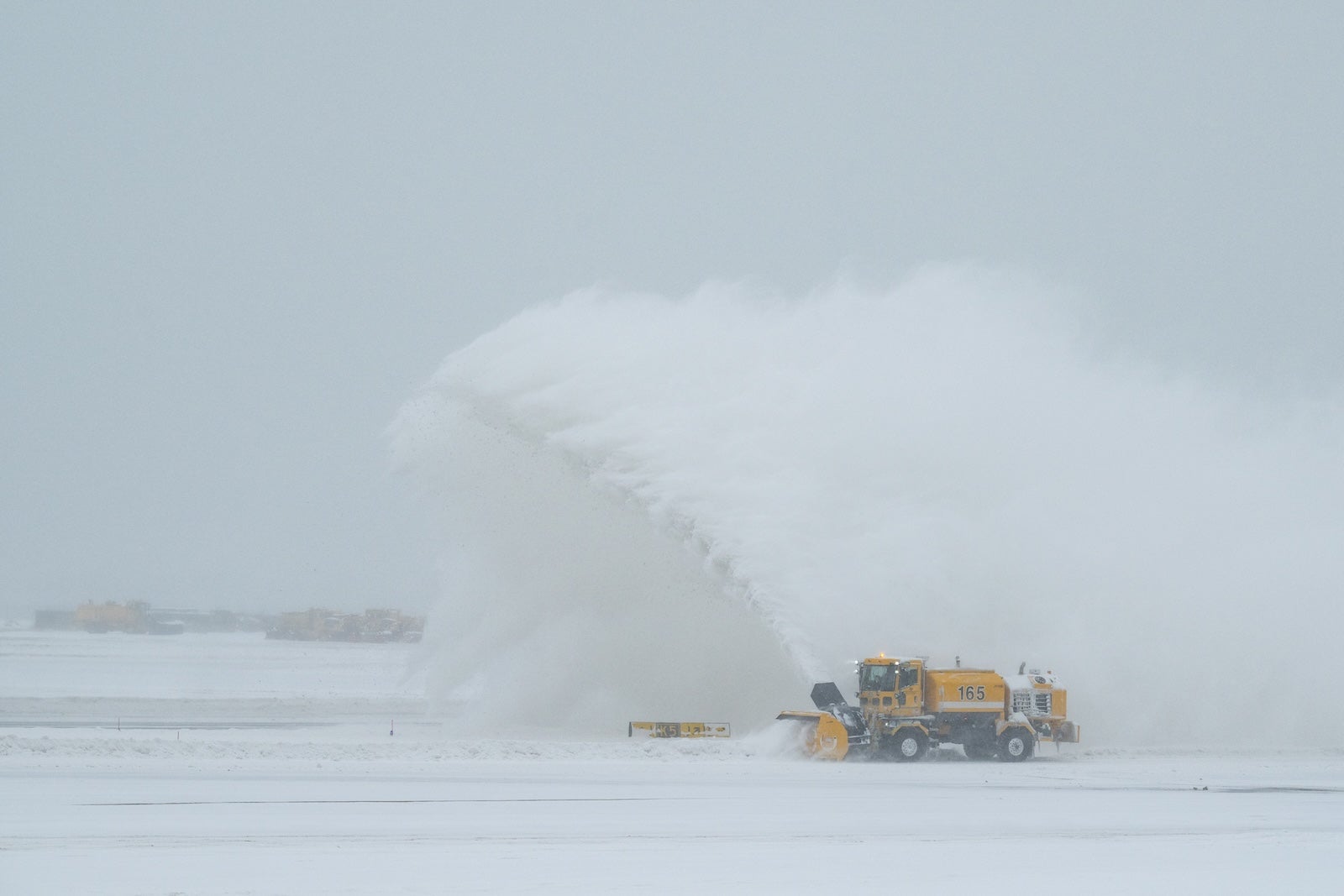
A relentless winter storm, dubbed “Gianna,” unleashed chaos across the East Coast, leaving millions of travelers stranded and airports overwhelmed for the second weekend in a row. The skies, normally bustling with activity, became a landscape of cancellations and delays, turning travel plans into frustrating uncertainties.
By Sunday morning, over 1,200 flights had already been grounded, adding to the 2,400 scrapped the previous day. The storm’s icy grip was particularly severe in the Carolinas, but the repercussions rippled far beyond, impacting air travel nationwide.
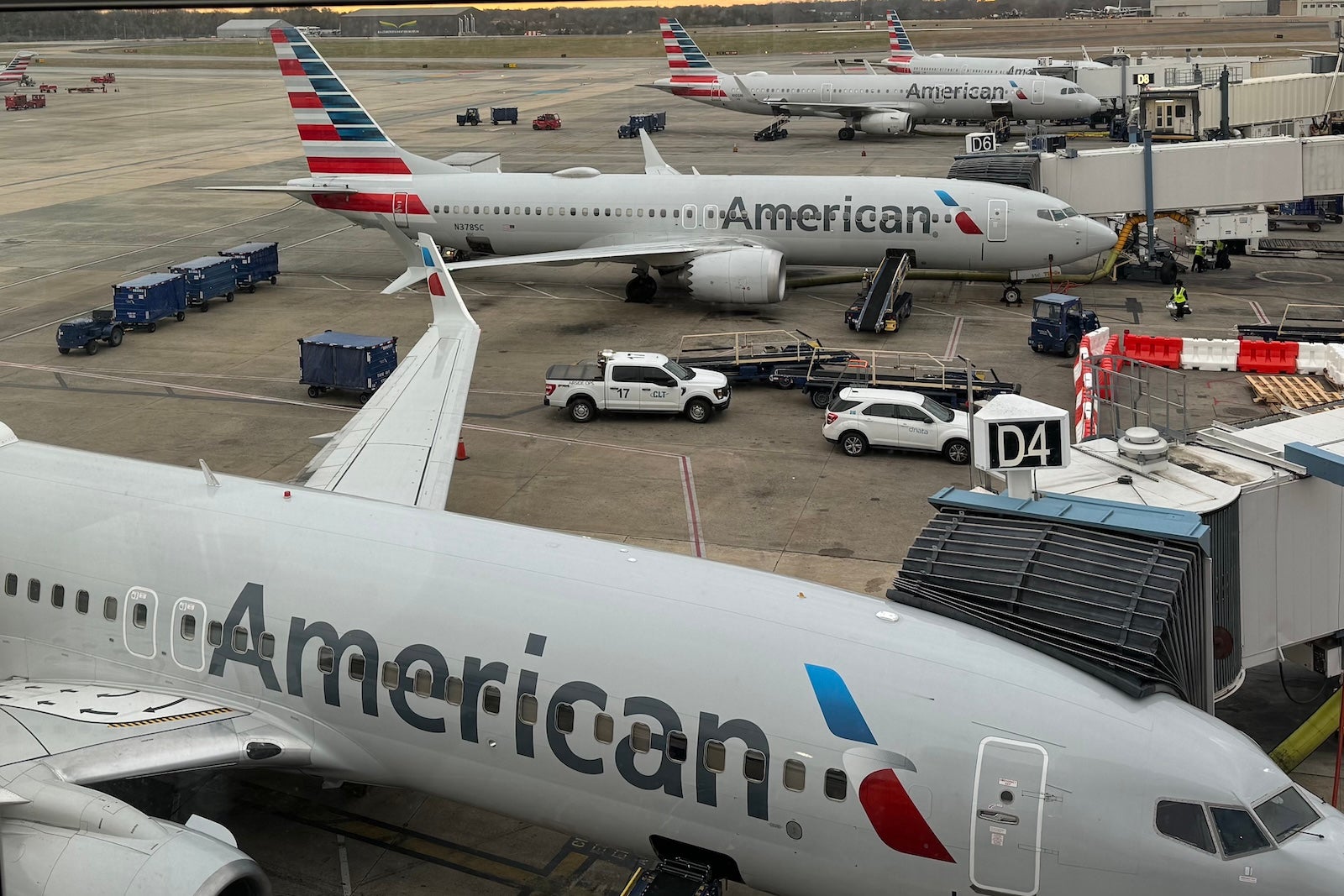
American Airlines bore the brunt of the disruption, canceling 425 flights – a staggering 13% of its scheduled operations. The airline’s second-busiest hub, Charlotte Douglas International Airport, was virtually paralyzed, with 86% of Saturday departures eliminated and over half of Sunday’s flights already canceled.
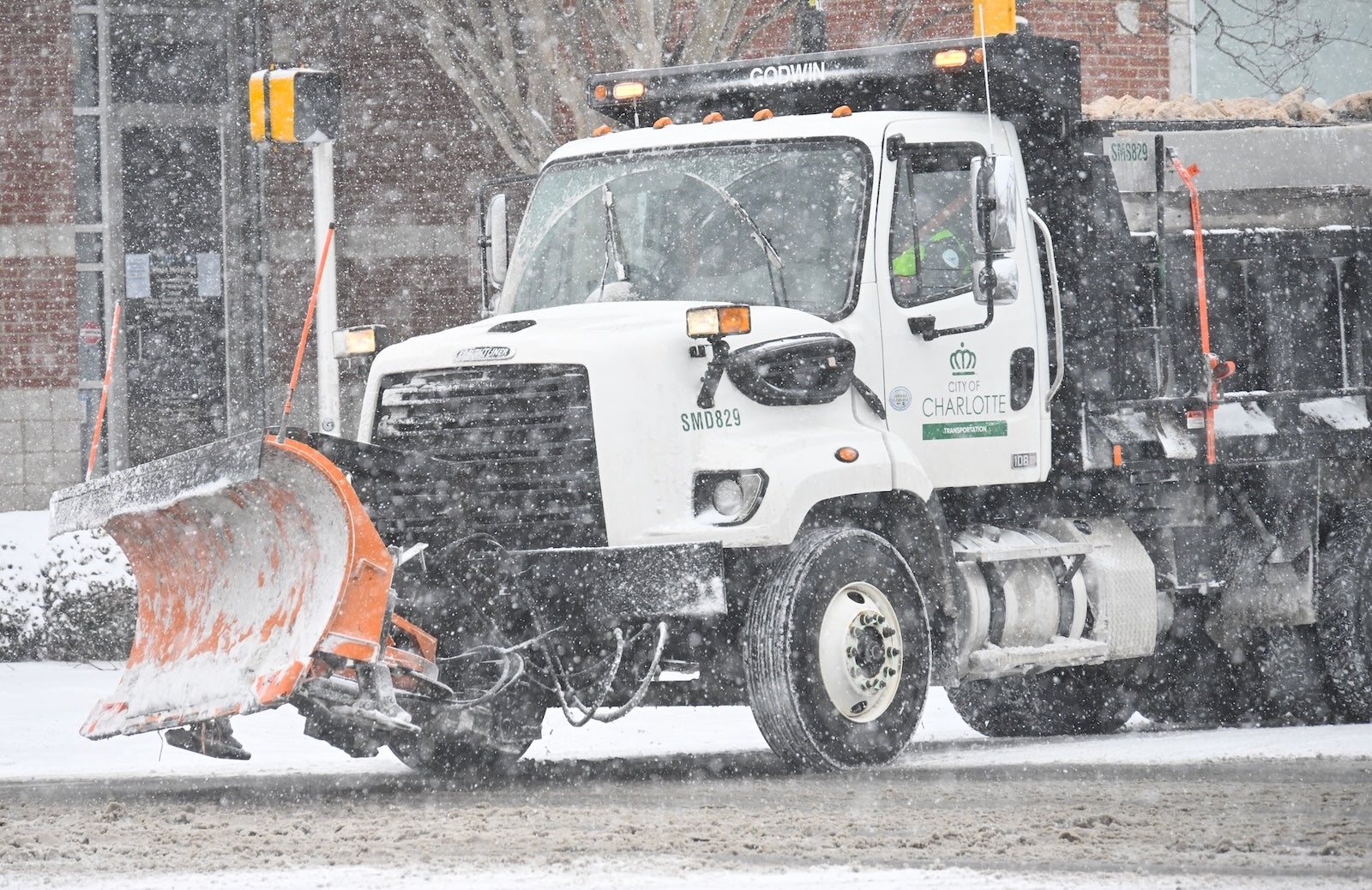
This latest blow came at a particularly inopportune moment for American, still recovering from the fallout of last weekend’s storm. While other carriers had largely stabilized, American continued to grapple with widespread operational issues, leaving passengers in limbo.
Delta Air Lines also faced significant challenges, canceling over 500 flights on Saturday, primarily due to disruptions at its massive Atlanta hub. Fortunately, Delta’s operations began to show signs of recovery on Sunday, offering a glimmer of hope to stranded travelers.
Raleigh-Durham International Airport in North Carolina emerged as the third most affected airport, adding to the growing list of travel hotspots experiencing severe delays and cancellations. The storm’s impact was widespread and unrelenting.
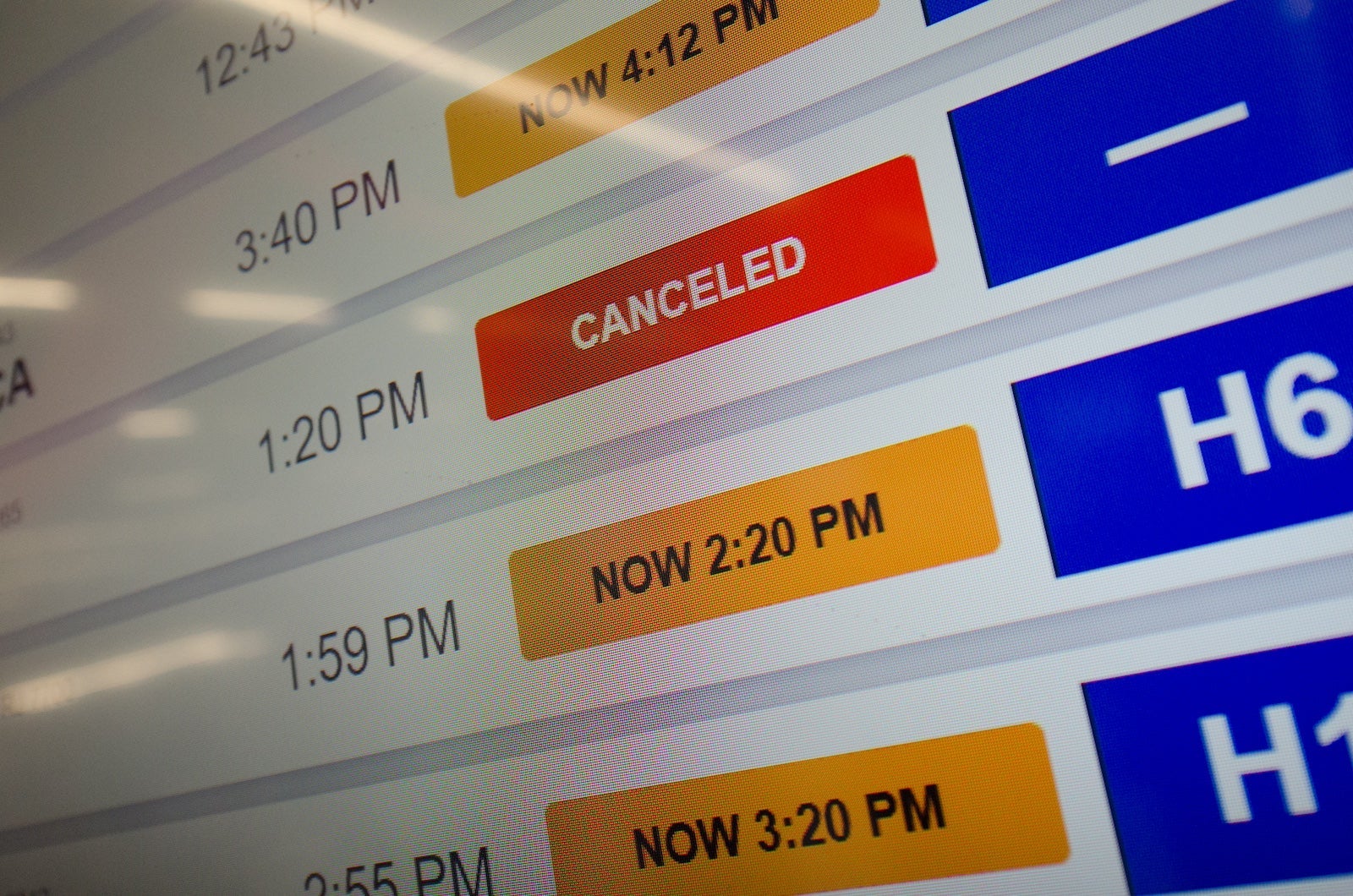
Airlines proactively issued travel advisories, offering passengers a crucial lifeline: the ability to modify their tickets without incurring hefty fees, even on restrictive basic economy fares. This flexibility proved vital for those seeking to avoid the storm’s wrath.
For travelers with upcoming flights, vigilance is key. Closely monitoring the forecast at departure, connection, and destination airports is paramount. Proactive itinerary changes, utilizing airline waivers, can prevent hours of frustration and potential missed connections.
The interconnected nature of air travel means that disruptions in one location can quickly cascade across the country. Even airports experiencing clear skies may feel the effects of delays originating in the storm’s path, highlighting the need for widespread awareness.
If facing a cancellation or significant delay, utilizing airline apps to rebook flights can bypass lengthy phone queues and airport congestion. This digital approach offers a faster, more efficient path to securing alternative travel arrangements.
Under Department of Transportation policy, passengers are entitled to a full refund for unused portions of their tickets if their flight is canceled or delayed for an extended period. Knowing your rights empowers you to navigate these challenging situations with confidence.
Should you become stranded, meticulously document all expenses. Many travel credit cards offer built-in trip insurance, potentially reimbursing costs for hotels, meals, and other necessities. Review your card’s benefits to determine eligibility.
While airlines often provide accommodations for disruptions within their control, weather-related events typically don’t qualify for such assistance. Understanding these limitations is crucial for managing expectations and planning accordingly.
The storm served as a stark reminder of winter’s power to disrupt even the most carefully laid plans. By staying informed, utilizing available resources, and exercising proactive flexibility, travelers can navigate these challenges and minimize the impact on their journeys.