The Emirates Stadium erupted as Arsenal secured their place in the Carabao Cup final, overcoming Chelsea 2-1 on the night and 4-2 overall. A wave of relief and exhilaration washed over the home crowd, a culmination of relentless effort and tactical brilliance.
But the victory wasn’t simply handed to them. The final moments were a masterclass in pressure, a tense standoff where a single decision could have altered everything. As Chelsea desperately sought an equaliser, the atmosphere crackled with anticipation.
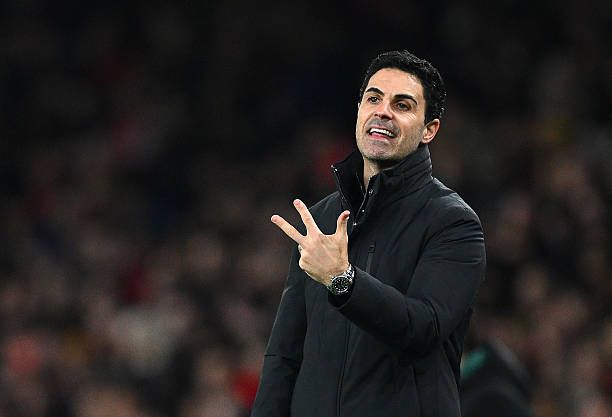
The pivotal moment arrived during a frantic Chelsea attack. The ball appeared to have crossed the touchline, a clear signal for play to stop, yet the referee allowed it to continue. On the touchline, Arsenal manager Mikel Arteta exploded in protest, his frustration boiling over.
Commentators noted Arteta’s visible distress, describing him as “going mad” as he vehemently argued with the fourth official. He believed his team was being unfairly denied a crucial stoppage, a potential turning point in the match.
Then, in a stunning reversal of fortune, Arsenal seized the opportunity. They intercepted the play, launching a blistering counter-attack while Chelsea’s defense was still stretched thin, caught off guard by the continued play.
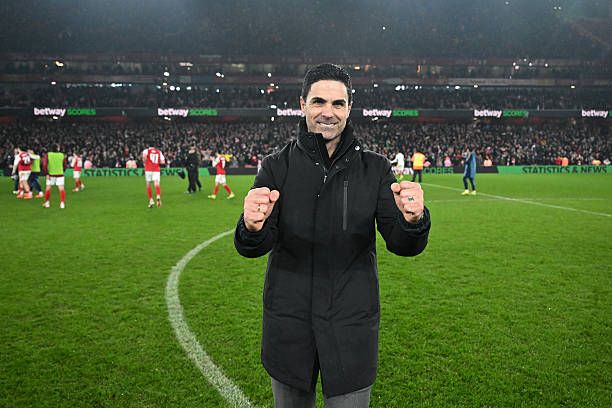
The swift move culminated in a decisive goal, silencing the Chelsea pressure and confirming Arsenal’s passage to Wembley. Arteta’s earlier frustration instantly transformed into unrestrained joy, a testament to the unpredictable nature of the game.
Arsenal now awaits their opponent in the final, with Manchester City appearing the most likely challenger. City currently holds a 2-0 aggregate lead over Newcastle, and the Etihad Stadium looms as a formidable venue for the return leg.
For Arteta, this final represents a golden opportunity. It’s a chance to claim his first trophy in five years, a moment to solidify his growing legacy at the club and reward the unwavering faith placed in him.
While Manchester City haven’t consistently reached their peak form this season, Arsenal are playing with a newfound confidence and cohesion. They appear to be a team on a mission, capable of challenging for multiple honours.
The League Cup could be more than just a single trophy; it could be the catalyst for a period of sustained success, the first step in a journey towards reclaiming their place among England’s elite. The question now isn’t *if* Arsenal can win silverware, but *how much*.