A wave of unrest has swept across the nation, fueled by tragic incidents involving federal law enforcement. The deaths of Renee Good and Alex Pretti in Minneapolis ignited a fierce debate about accountability and transparency, placing intense scrutiny on the actions of authorities.
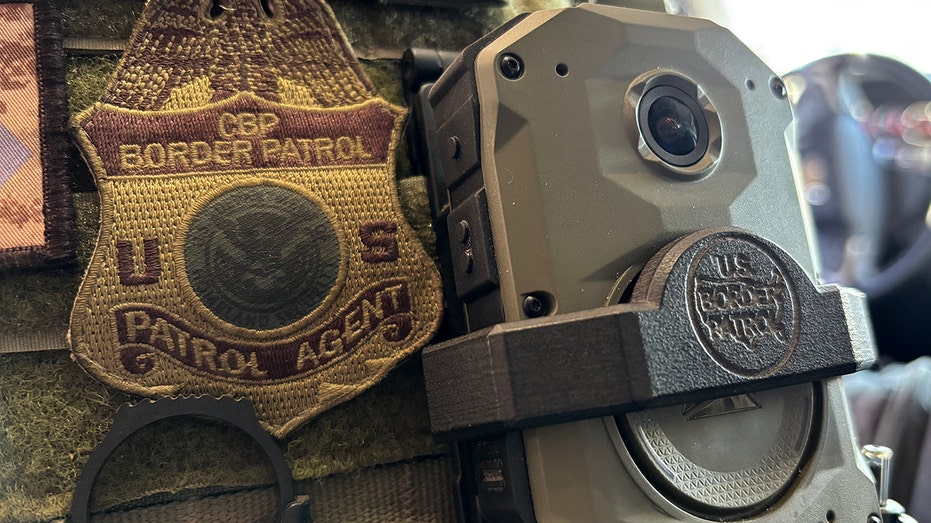
Amidst this turmoil, a significant policy shift emerged: federal law enforcement officers would now be required to wear body cameras. The announcement, made by the Department of Homeland Security, aimed to address growing public concern and foster trust between agents and the communities they serve.
The decision wasn’t born from a vacuum of debate. A recent government shutdown, largely centered on DHS spending, highlighted the deep divisions surrounding the issue. Republicans and Democrats clashed over funding, with the body camera policy becoming a pivotal point of contention.
Secretary Kristi Noem championed the move, asserting that body cameras would reveal “the truth of a situation.” She emphasized the desire of both agents and citizens for increased transparency, believing cameras could de-escalate conflict and expedite assistance when needed.
While President Donald Trump publicly supported the policy, he clarified it wasn’t his direct directive. He stated he deferred to Secretary Noem’s judgment, acknowledging the potential benefits of body cameras in preventing false accusations and ensuring accurate records of events.
The implementation wasn’t without its hurdles. Noem pointed to a longstanding lack of resources as the primary reason body cameras hadn’t been universally adopted previously. The cost of equipping agents, storing vast amounts of video data, and analyzing footage presented significant logistical challenges.
Despite these obstacles, many border patrol agents were already utilizing body cameras, demonstrating a pre-existing commitment to documentation within certain agencies. The focus now shifted to expanding access and ensuring consistent application across all federal law enforcement.
However, the issue remains far from resolved. Funding for the Department of Homeland Security was only temporarily extended, setting a new deadline of February 13th for lawmakers to reach a comprehensive agreement. Failure to do so could trigger another partial government shutdown.
The debate extends beyond simply equipping agents with cameras. Some members of Congress are advocating for more radical changes, including calls to dismantle ICE entirely, while others are pushing for stricter policies regarding facial coverings, warrant requirements, and immigration enforcement tactics.
The future of federal law enforcement hangs in the balance, caught between demands for accountability, concerns about resources, and deeply entrenched political divisions. The body camera policy represents a single step, but a crucial one, in navigating this complex and evolving landscape.


![IGUANAS RAINING FROM THE SKY: Florida's Freeze is INSANE! [VIDEOS]](https://www.thegatewaypundit.com/wp-content/uploads/2026/02/florida-frozen-iguanas.jpg)