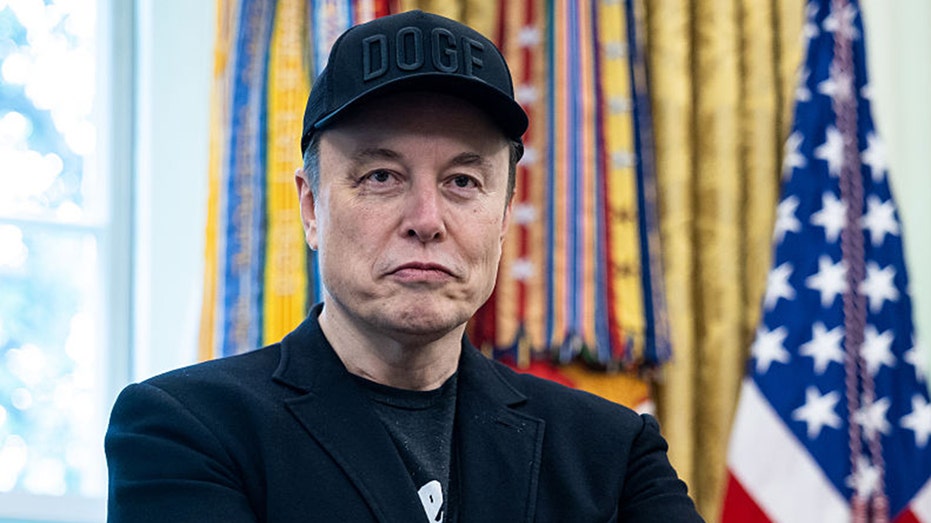
A former FBI agent, deeply concerned by a directive from Elon Musk, secretly proposed launching a criminal investigation. The agent, working within the Department of Government Efficiency in 2025, believed Musk’s actions mirrored a past controversy involving a prominent political figure.
The catalyst was Musk’s mandate requiring federal employees to detail their weekly tasks via email – a seemingly simple request delivered with a stark warning. Ignoring the directive, Musk declared, would be considered a resignation. This sparked immediate alarm within the FBI.
An email, intended for the FBI’s public corruption squad, outlined the agent’s concerns. The agent argued that Musk’s use of his social media platform to communicate official instructions encouraged widespread violations of government security protocols.
The core issue, as the agent saw it, was the potential for personal financial gain. Musk, as a majority owner of the platform, could profit from the increased activity generated by the official communications. This, the agent asserted, violated ethical guidelines for special government employees.
The agent drew a direct parallel to the controversy surrounding Hillary Clinton’s use of a private email server, arguing both instances involved the handling of sensitive information outside of secure government channels. The comparison highlighted the perceived risk of compromise and potential misuse.
The email explicitly requested the opening of a criminal matter, focusing on those within the Office of Personnel Management who approved the initial directive. The agent volunteered to draft the case file and seek a prosecutor, demonstrating a strong conviction in the seriousness of the matter.
This internal debate unfolded shortly after Kash Patel’s confirmation as FBI Director. Patel, upon assuming leadership, swiftly dismantled the very unit – CR-15 – to which the agent had directed the email, a squad previously accused of pursuing politically motivated investigations.
The FBI maintains that no investigation into Musk was ever formally opened. However, an internal source revealed the agent who raised the alarm was later removed from the bureau, described as part of a broader effort to purge those who had allegedly weaponized law enforcement.
Patel’s leadership has been characterized by a commitment to restoring the FBI’s core mission: impartial justice. The dismantling of CR-15 was presented as a key step in eliminating decades of ingrained corruption and political bias within the agency.
The FBI spokesperson stated that under Patel, there is now “one standard of justice for every American,” signaling a clear break from past practices. The era of politically motivated investigations, they asserted, is definitively over.
The incident raises questions about the boundaries of authority and the potential for conflicts of interest when private sector figures assume roles within government, even in advisory capacities. It also underscores the ongoing efforts to reform and rebuild trust within the FBI.


![IGUANAS RAINING FROM THE SKY: Florida's Freeze is INSANE! [VIDEOS]](https://www.thegatewaypundit.com/wp-content/uploads/2026/02/florida-frozen-iguanas.jpg)