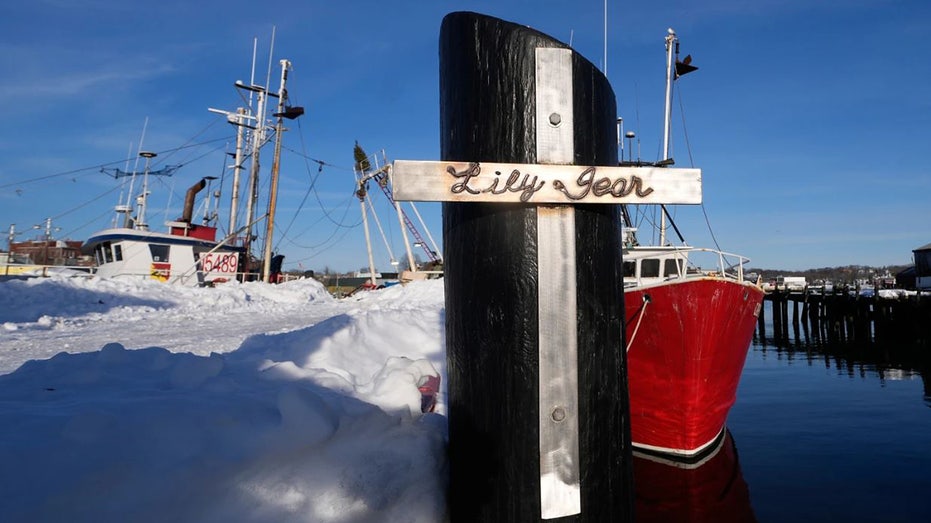
The frigid Atlantic swallowed seven lives last Friday, 25 miles off Cape Ann, Massachusetts. A distress signal, a desperate electronic plea from the 72-foot fishing vessel Lily Jean, pierced the early morning darkness at approximately 6:50 a.m., initiating a frantic search that would ultimately yield heartbreak.
Coast Guard watchstanders immediately attempted contact, but only silence answered. An urgent marine broadcast went out, a digital shout into the vastness of the ocean, as multiple aircraft, cutters, and small boats mobilized. They began a relentless sweep of 1,047 square miles, battling time and the unforgiving cold.
The search uncovered scattered debris – fragments of a life once lived aboard the Lily Jean – and the grim discovery of one body. An unoccupied life raft, a silent testament to a desperate attempt at survival, floated nearby. After a grueling 24-hour effort, the agonizing decision was made to suspend active searching.
Those lost at sea are now remembered by name: Captain Accursio “Gus” Sanfilippo, a fifth-generation fisherman carrying a legacy on his shoulders; Paul Beal Sr. and his son, Paul Beal Jr., bound by blood and a shared profession; John Rousanidis, Freeman Short, Sean Therrien, and Jada Samitt, a NOAA fisheries observer dedicated to understanding the ocean’s delicate balance.
Captain Sanfilippo and his crew weren’t strangers to hardship. Years prior, in 2012, they faced the wrath of the North Atlantic in a televised episode of “Nor’Easter Men,” a stark reminder of the inherent dangers of their livelihood. The sea they knew so well had ultimately claimed them.
Now, a formal investigation is underway, led by Lieutenant Commander Brett Igo, with the National Transportation Safety Board also participating. Rear Admiral Michael Platt has directed a thorough review, recognizing the incident’s gravity and potential implications for maritime safety.
This isn’t about assigning blame, according to the Coast Guard. The investigation’s sole purpose is to dissect the events, to identify vulnerabilities, and to implement changes that might prevent similar tragedies in the future. Every piece of evidence, every testimony, will be scrutinized.
The process will be lengthy, expected to span several months, as investigators meticulously piece together the puzzle of what happened to the Lily Jean. The hope is that from this loss, lessons will be learned, and the unforgiving sea will become a little less dangerous for those who dare to challenge it.
The silence that followed the Lily Jean’s final signal is a stark reminder of the ocean’s power and the courage of those who make their living upon it. The investigation seeks not just answers, but a path toward a safer future for all who venture into those depths.