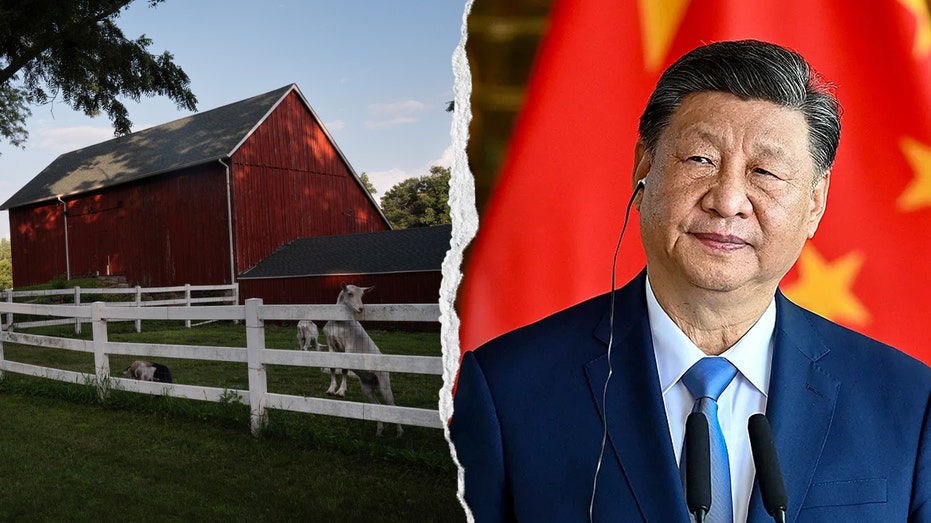
A storm is brewing in the heart of American agriculture as federal lawmakers launch a serious inquiry into the National FFA. The organization, a cornerstone of agricultural education for generations, is facing intense scrutiny over a partnership with a major agribusiness now controlled by the Chinese Communist Party.
The House Ways and Means Committee and the Congressional FFA Caucus are demanding answers from National FFA CEO Scott Stump, requesting a full accounting of the relationship with Syngenta Group. Concerns center on potential foreign influence and whether the FFA is truly upholding its mission as a tax-exempt nonprofit.
Lawmakers aren’t simply questioning the partnership; they’re highlighting the ownership structure of Syngenta. Since 2017, it has been wholly owned by China National Chemical Corp., a state-owned enterprise that later merged into Sinochem Holdings – entities previously designated by the Trump administration as linked to the Chinese military.
Despite a brief removal of those designations, Syngenta was later re-identified as a Chinese military company, fueling fears that a foreign power is gaining access to the future leaders of American agriculture. This access, lawmakers argue, presents a clear national security risk.
The concerns extend beyond ownership. Lawmakers point to a history of economic espionage by the CCP, specifically targeting biotechnology and agricultural intellectual property. Providing a state-owned Chinese company direct access to young agricultural minds is, in their view, deeply alarming.
Adding another layer to the controversy is the FFA’s recent embrace of Diversity, Equity, and Inclusion (DEI) initiatives. Lawmakers question whether Syngenta’s involvement in these programs has unduly influenced the organization’s strategic direction, potentially shifting its focus away from core agricultural education.
The core argument is simple: the FFA should unite students around a shared passion for agriculture, not divide them based on identity. The lawmakers fear a departure from this principle compromises the organization’s fundamental purpose.
This investigation isn’t isolated. It’s part of a broader congressional effort to examine the exposure of U.S. tax-exempt organizations to foreign influence, particularly as food and farm security are increasingly recognized as vital to national security. As one USDA Secretary stated, “farm security is national security.”
Lawmakers have requested a comprehensive set of documents, including contracts, financial records, and details on Syngenta employees’ roles within the FFA. They seek to understand the full extent of the company’s influence on the organization’s policies and programs.
The stakes are high. The future of American agriculture, and the security of the nation’s food supply, may hinge on the answers the FFA provides and the actions Congress takes in response.


