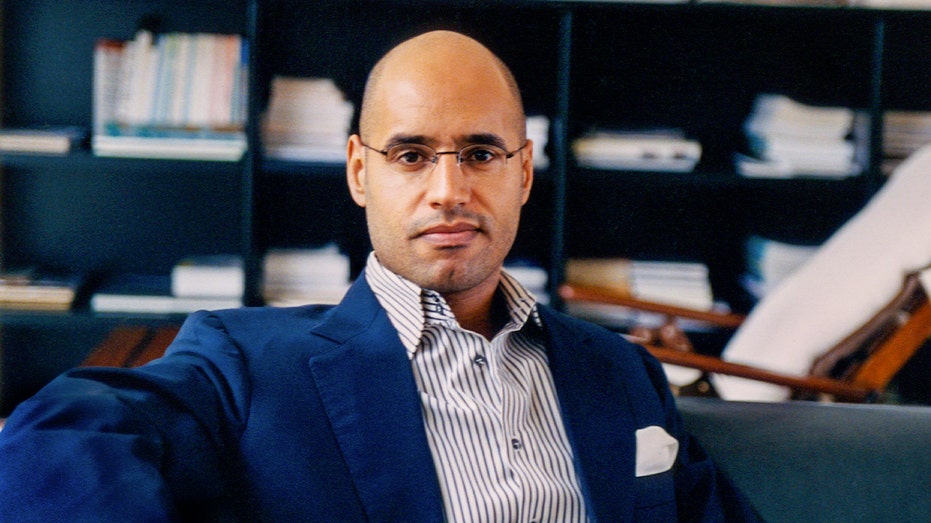
A chilling report surfaced detailing the death of Seif al-Islam al-Qaddafi, son of the former Libyan leader, Muammar al-Qaddafi. His team alleges he was murdered by four masked assailants, a brutal act that has sent ripples through the fractured nation.
The killing occurred in Zintan, a town southwest of Tripoli, and was confirmed by a lawyer representing al-Qaddafi via a Facebook post. Authorities report he was shot, but details surrounding the event remain scarce and shrouded in mystery.
Those close to him describe the attack as a “cowardly and treacherous assassination,” claiming the perpetrators deliberately disabled the home’s CCTV system. This deliberate act suggests a calculated attempt to erase evidence of the crime and conceal their identities.
Born in 1972, Seif al-Islam was often viewed as the public face of Libya to the international community. Despite holding no official government position, he wielded considerable influence, navigating complex diplomatic landscapes.
He played a pivotal role in negotiations that led to Libya abandoning its weapons of mass destruction program. He also brokered compensation deals for the families affected by the 1988 bombing of Pan Am Flight 103, demonstrating a capacity for delicate and high-stakes diplomacy.
His father, Muammar al-Qaddafi, ruled Libya for over four decades, beginning in 1969, before being overthrown and killed during a NATO-backed uprising in 2011. This sparked a devastating civil war that continues to plague the country.
Seif al-Islam himself experienced a tumultuous period following the uprising. Captured while attempting to escape to Niger in late 2011, he was later granted amnesty by a rival Libyan government and released in 2017.
More recently, in 2021, he boldly announced his intention to run for president, a move that ultimately proved unsuccessful. Libya’s High National Elections Committee disqualified him from the race, further complicating the nation’s already fragile political landscape.
His death adds another layer of complexity to Libya’s ongoing struggle for stability. The circumstances surrounding the assassination raise serious questions about the future and the potential for further violence within the deeply divided country.