U.S. President Donald Trump announced a new round of tariffs that could affect $28 billion of Canadian exports, targeting products ranging from hockey sticks to honey, whisky, and flowers.
The tariffs come with an August 19 deadline for Canada to present a comprehensive solution, or face the imposed duties.
U.S. Trade Representative Jamieson Greer said that trade actions sometimes serve to motivate negotiations and that the outcome will become clear as talks progress.

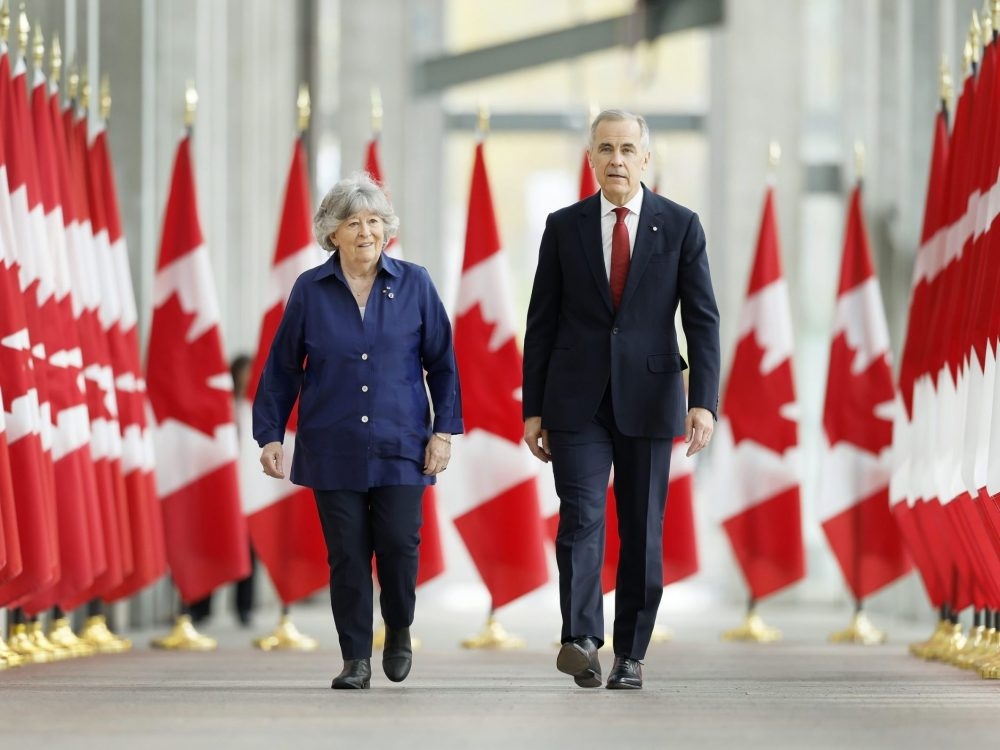
Canadian Prime Minister Mark Carney responded by confirming a recent conversation with President Trump and pledging to intensify negotiations in the coming weeks.
Details of the intensified negotiations remain vague, and no definitive proposal has been presented to the United States.
Sources familiar with the discussions indicate that Canada has offered only promises to continue talks, without substantive changes to the disputed issues.
Analysts describe Carney’s approach as a gamble, hoping that a weakened Trump after the U.S. midterm elections would improve Canada’s negotiating position.
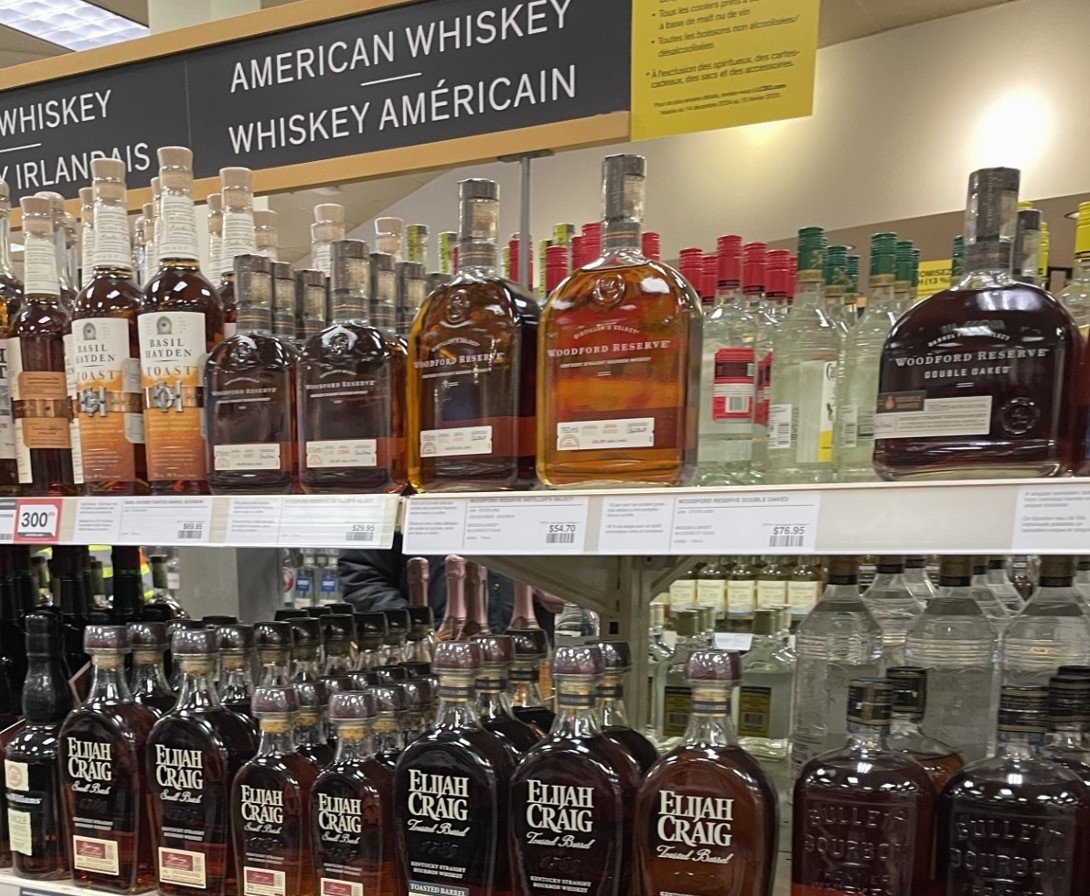
Behind the scenes, Carney’s team has urged the eight provinces that still prohibit the sale of American alcohol to maintain those bans, despite two provinces ending theirs last summer.
These alcohol restrictions, along with Canada’s access to critical minerals and unresolved cheese import disputes, could have been used as bargaining chips, but have not been leveraged.
Political calculations appear to favor keeping the tariff dispute alive, as public anger toward Trump may bolster domestic support for the Liberal government.
Trump claimed that the United States relies heavily on Canada for survival, yet trade data show that Canadian exports to the U.S. represent roughly 19.9 % of Canada’s GDP, while U.S. exports to Canada account for only about 1.4 % of U.S. GDP.
Since Carney assumed office, Canadian manufacturing has shed more than 50 000 jobs, including 17 000 lost in a single month.
While political maneuvering continues, ordinary Canadians bear the economic cost of the unresolved trade dispute.