A wave of controversy is building in Australia, centered around visa cancellations and accusations of a double standard in how the government responds to expressions of religious and political viewpoints. The situation ignited recently with the blocked travel of Sammy Yahood, a Jewish influencer outspoken on issues facing Israel, after he voiced critical opinions about Islam on social media.
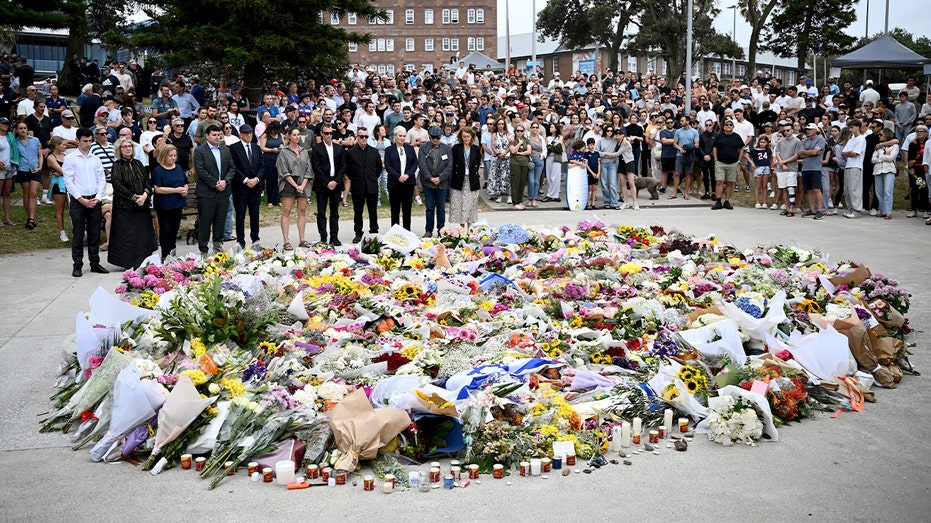
Yahood alleges the Australian government actively worked to prevent his arrival, contacting authorities in the United Arab Emirates to halt his flight to Melbourne. He had planned the trip following the horrific Bondi Beach attack – a tragedy that claimed the lives of fifteen people during a Hanukkah celebration – hoping to offer support and a message of resilience to the Jewish community.
The government, through Home Affairs Minister Tony Burke, defended the decision, stating that “spreading hatred is not a good reason to come” to Australia. This justification, however, has fueled accusations of bias, with critics arguing that pro-Israel voices are being unfairly targeted.
Avi Yemini, a reporter with a focus on these issues, contends that Yahood is part of a growing number of Jewish individuals denied entry, not due to genuine security threats, but because of perceived political alignment. He points to a stark contrast: while numerous individuals with controversial views have been blocked, he claims only a single Islamist extremist has faced similar restrictions under the current administration.
The pattern extends beyond Yahood. In March, Lebanese preacher Hussain Makke, a known attendee at the funeral of Hezbollah leader Hassan Nasrallah, had his visa revoked. Similarly, a Palestinian cookbook author openly supportive of the October 7th attacks was also barred from entering the country in August.
The cancellations aren’t limited to those outside Australia. A 61-year-old Palestinian woman had her visa canceled while *already* in the country last July. Following the October 7th attacks, three additional Israelis were also denied entry, adding to the mounting concerns.
Prominent pro-Israel activist Hillel Fuld was stopped in June, with the Home Affairs Ministry citing fears his visit would “incite” segments of the Islamic community. Two months later, right-wing Israeli politician Simcha Rothman faced the same fate, his speaking tour abruptly canceled. Former Israeli parliamentarian Ayelet Shaked was also denied a visa in 2024, due to remarks deemed “demeaning” towards Palestinians.
Attempts to gain clarity from the Australian government have been met with silence. Requests for comment from the Embassy, Department of Foreign Affairs and Trade, and the Prime Minister’s office went unanswered or were deflected. The Home Affairs Ministry refused to discuss specific cases.
The atmosphere within Australia remains deeply sensitive in the wake of the Bondi Beach tragedy. Former Prime Minister Scott Morrison sparked outrage by suggesting Muslim leaders should be licensed and their sermons translated, arguing for greater accountability within the community regarding radicalization.
Morrison’s comments drew swift condemnation from the Australian National Imams’ Council, who labeled them “reckless, irresponsible, and deeply ill-informed,” objecting to the collective blame placed on an entire faith community. They emphasized that the alleged perpetrators acted alone.
Adding to the complexity, reports have surfaced linking one of the Bondi Beach shooters to a Sydney preacher, Wissam Haddad, whose lectures have been flagged for containing “racist and antisemitic” content. Furthermore, a video compiled by the Middle East Media Research Institute allegedly captures instances of incitement to violence against Jews at protests and within mosques near Bondi Beach.
The debate isn’t simply about individual visa decisions; it’s about the broader question of free speech, religious tolerance, and the government’s responsibility to address rising antisemitism and ideological violence. Critics argue that a consistent application of principles is crucial, and that the current situation risks silencing legitimate voices and exacerbating existing tensions.
Yemini believes the backlash against Morrison is part of a larger effort to stifle honest discussion about the factors driving the surge in antisemitism. He points out a perceived shift in rhetoric, where distinguishing between Islam and radical Islam is now discouraged, even as attackers explicitly cite religious motivations for their actions.