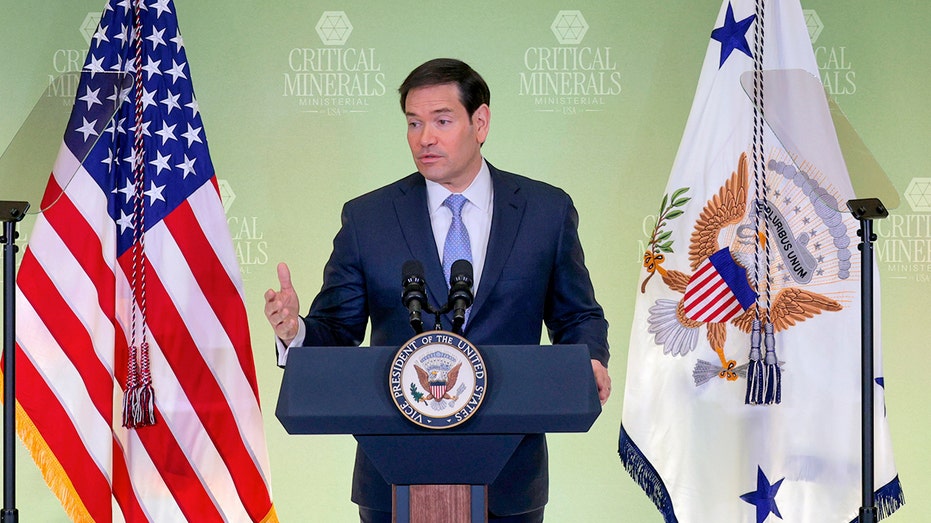
A shift in plans is unfolding regarding potential talks between the United States and Iran, confirmed by Secretary of State Marco Rubio. Initial arrangements for a meeting in Turkey, facilitated by multiple international partners, are now facing uncertainty as Iranian officials signal a change of venue.
Reports indicate Iran has proposed Oman as an alternative location for the nuclear discussions. Simultaneously, Iranian representatives are reportedly pushing for a strictly bilateral format – a direct conversation between the U.S. and Iran, excluding other regional players. This move could significantly alter the diplomatic landscape and potentially hinder broader regional cooperation.
While Rubio refrained from detailing agreed-upon discussion points, he outlined critical areas demanding attention for any meaningful progress. These include Iran’s ballistic missile capabilities, its support for organizations deemed terrorist entities, the status of its nuclear program, and the internal treatment of its own citizens.
The backdrop to these potential talks is the ongoing unrest within Iran itself. Protests have gripped the nation since late December, prompting a strong response from former President Trump, who pledged action should violence be inflicted upon the demonstrators.
Rubio believes this firm stance played a role in preventing planned executions of protesters, a claim the Iranian regime disputes. He emphasized a fundamental disconnect between the Iranian people and their leadership, asserting a stark contrast rarely seen elsewhere in the world.
According to Rubio, the regime’s economic failings aren’t due to a lack of resources, but rather a deliberate allocation of funds towards supporting terrorism and proxy groups internationally, diverting wealth away from its own population.
Adding another layer of tension, a U.S. Navy aircraft carrier recently engaged and destroyed an Iranian drone that approached with what was described as “aggressive intent” and “unclear purpose.” Iran countered, claiming the drone was conducting routine surveillance in international waters.
These developments – the shifting negotiation location, the push for a bilateral format, the internal protests, and the military encounter – paint a complex picture as the possibility of dialogue hangs in the balance. The coming days will be crucial in determining whether a productive conversation can be established.