The aftermath of a major snowstorm isn't just about digging out; it's become a battle for asphalt. Across the Northeast, a fierce, and increasingly dangerous, tradition is resurfacing as residents fiercely defend parking spaces they’ve painstakingly cleared.
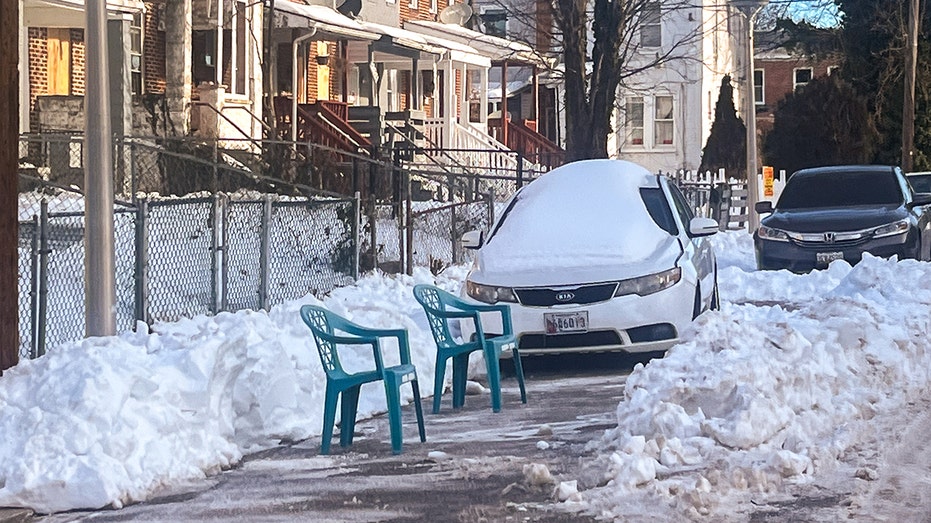
Hours spent battling the bitter cold and heavy snow are now met with the threat of losing a hard-won spot. Drivers are resorting to anything they can find – chairs, cones, garbage cans, even household items – to “save” their space, sparking outrage and conflict.
What began as a seemingly harmless gesture has escalated into serious confrontations. Reports detail a disturbing rise in “retaliation, fights, and vandalism,” with tensions running incredibly high in cities like Boston, Philadelphia, Baltimore, and Washington D.C.
The situation recently turned critical in Philadelphia, where a dispute over a saved space left one man in critical condition. Police discovered both individuals involved were armed, yet continued the fight with their fists after discarding their weapons.
Law enforcement is deeply concerned. Authorities emphasize that while the issue may seem trivial, the consequences have proven tragically serious over the years, demanding a firm response to prevent further escalation.
This isn’t a new phenomenon. The practice dates back to the historic blizzard of 1967 in Chicago, where 23 inches of snow blanketed the city, and residents began claiming “dibs” on cleared spaces.
Different cities have different names for it – “savesies” in some areas, the “Pittsburgh Parking Chair” in others – but the core idea remains the same: a territorial claim on public property after a significant snowfall.
The creativity in space-saving devices is astonishing. Beyond the typical lawn chairs and traffic cones, residents have deployed vacuum cleaners, toilets, folding tables, ironing boards, and patio furniture to mark their territory.
Snow removal services report a surge in the practice this winter, attributing it to the particularly harsh conditions and the sheer effort required to clear spaces. People are understandably protective of their hard work.
However, many cities are making it clear: saving spaces is illegal. Philadelphia police have explicitly stated this, while Baltimore’s Department of Transportation warns that objects in the street hinder snow removal and can damage equipment.
Officials urge a spirit of neighborliness, suggesting residents help those who are less able to clear their own spaces. The focus should be on community, not competition, in the wake of a storm.
Years ago, D.C.’s Police Chief issued a similar warning, recognizing the potential for conflict when individuals attempt to reserve public spaces. The message remains consistent: no one has the legal right to claim ownership of a parking spot on a public street.