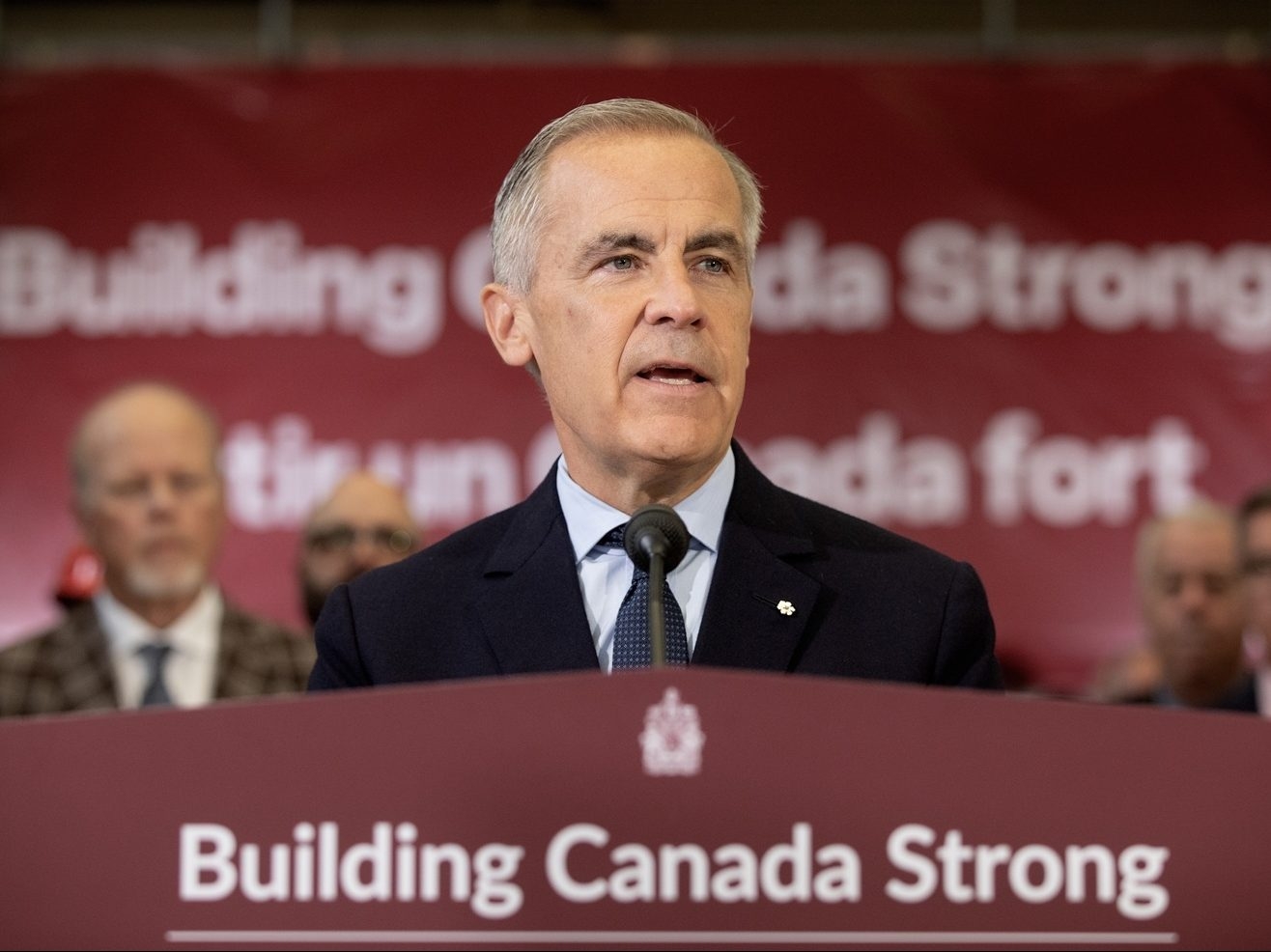
A significant shift is underway in Canada’s automotive policy. Prime Minister Mark Carney announced the dismantling of the previous administration’s electric vehicle mandates, a policy that aimed for a complete transition to zero-emission vehicles.
The original plan, enacted under the previous government, would have compelled automakers to ensure that 20% of new vehicle sales were electric by 2026, escalating to 100% by 2035. This effectively signaled a future ban on the sale of new gasoline and diesel-powered cars and trucks.
Instead of strict mandates, the government will now implement new emission standards for vehicles. This approach offers automakers more flexibility in how they meet environmental goals, avoiding the rigid requirements of the previous policy.
To incentivize consumers, the government is reintroducing rebates for electric vehicle purchases. Buyers can now receive $5,000 towards an EV priced under $50,000, or $2,500 for a plug-in hybrid.
These rebates, funded by a $2.3-billion program, are intended to put 840,000 new electric vehicles on Canadian roads. The program is slated to run until 2030, or until the allocated funds are exhausted.
A key stipulation of the rebate program is that eligible vehicles must be imported from countries with which Canada has a free trade agreement. This specifically excludes electric vehicles manufactured in China, reflecting recent geopolitical considerations.
The previous mandates faced strong opposition from the Canadian auto industry, which argued they imposed unsustainable costs and threatened jobs. Automakers expressed concerns about declining public interest in EVs and the scaling back of ambitious EV projects.
The shift comes after a period of review initiated by Prime Minister Carney upon taking office. Recognizing the industry’s struggles, the mandates were initially paused to allow for the development of a more viable plan.
Industry representatives welcomed the change, stating that the repeal of the regulation is the most effective way to ensure the industry remains competitive and protect Canadian jobs. The previous policy created significant uncertainty and financial pressure.
The decision mirrors a similar move by the United States, where President Trump scrapped EV mandates shortly after assuming office, highlighting a global debate about the pace and method of transitioning to electric vehicles.