A quiet suburban street in California held a dark secret, a secret unveiled by a single, courageous tip. What began as concern over a seemingly ordinary home blossomed into a massive operation, dismantling a sprawling human trafficking network and rescuing vulnerable lives.
Dubbed “Operation Reclaim and Rebuild,” the week-long initiative involved a coalition of law enforcement agencies across the state. The results were staggering: nearly 20 children freed from exploitation, hidden residential brothels exposed, and over 600 individuals taken into custody.
The investigation’s roots lay in Walnut, Los Angeles County, where a citizen’s report sparked months of meticulous surveillance. This initial concern quickly revealed a network of trafficking locations concealed within seemingly peaceful neighborhoods, a chilling contrast of innocence and depravity.
The scope of the operation extended far beyond local borders. Victims were recovered from multiple states – Illinois, Oklahoma, Missouri – and even tribal lands, highlighting the far-reaching tentacles of this criminal enterprise. These weren’t isolated incidents; they were threads in a complex web of exploitation.
Among the 611 arrests were not only those directly involved in trafficking but also the individuals fueling the demand. Hundreds of sex buyers were apprehended, facing consequences for their participation in this horrific trade. The legal process is now underway to determine the severity of charges, ranging from solicitation to felony human trafficking.
Law enforcement officials painted a grim picture of the victims, many of whom were barely teenagers, repeatedly subjected to unimaginable abuse. The network preyed on vulnerability, snatching lives from across the country and bringing them to the streets of Los Angeles.
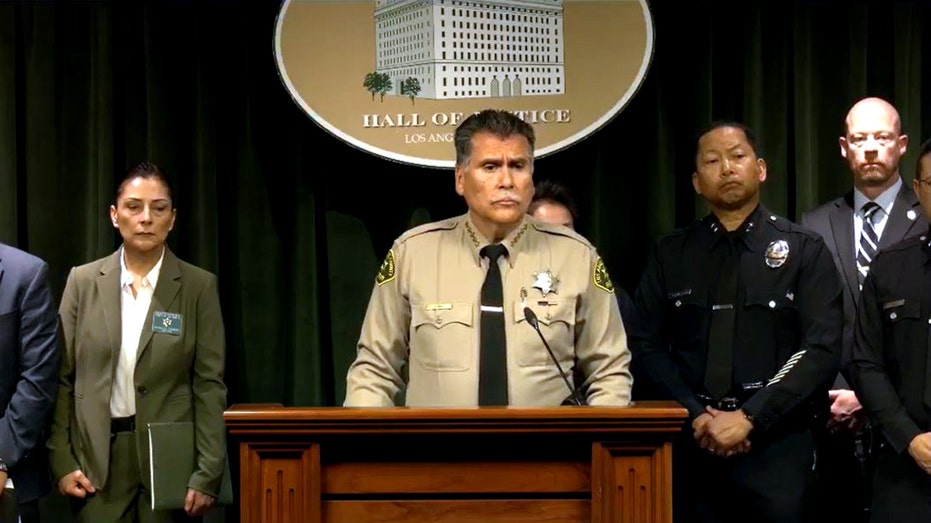
Los Angeles County District Attorney Nathan Hochman starkly labeled the operation as a fight against “modern slavery.” He revealed a disturbing truth: Los Angeles County has become a notorious hub for human sex trafficking, a shameful distinction within the nation.
While authorities are withholding specific details about suspects and locations to protect the integrity of ongoing investigations, they are committed to sustained vigilance. Monitoring known trafficking corridors will be crucial to prevent these operations from resurfacing in residential areas.
The success of “Operation Reclaim and Rebuild” serves as a powerful reminder of the importance of community involvement. It was a single citizen’s willingness to speak up that ignited this transformative investigation, proving that even a quiet voice can shatter the silence and bring hope to those in darkness.
Authorities are urging residents to remain alert and report any suspicious activity. The message is clear: vigilance and collective action are essential weapons in the ongoing battle against human trafficking, a crime that demands unwavering attention and relentless pursuit.