A quiet escalation is underway, hidden in plain sight within the digital landscape. Across the nation, a network of online databases is meticulously cataloging the movements of Immigration and Customs Enforcement (ICE) agents – their vehicles, locations, and even suspected identities – fueled by a growing sentiment of resistance and a belief in proactive “community defense.”
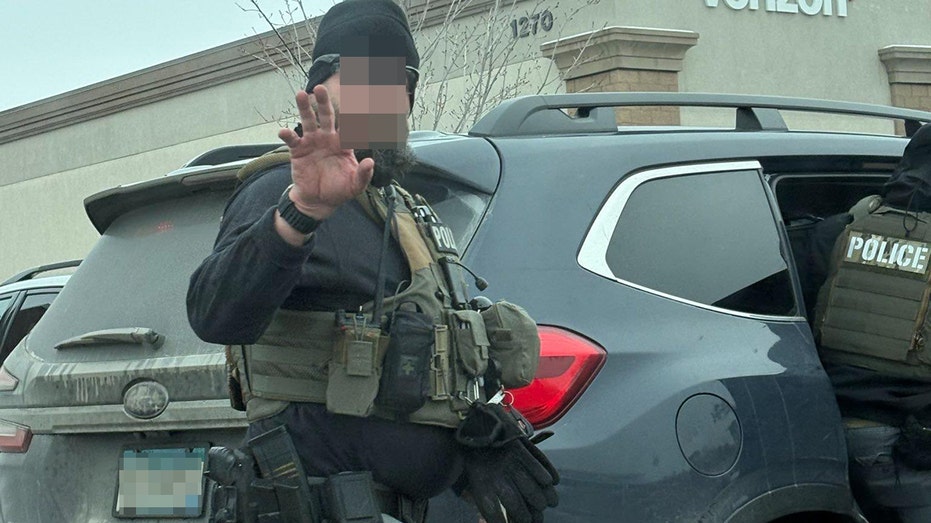
The impetus began with a simple request. In an “incident” report, one individual asked for “clear views of agents, uniforms, vehicles or locations.” This seemingly innocuous plea ignited a surge of citizen-led surveillance, transforming into a complex web of platforms dedicated to tracking and documenting federal law enforcement activity.
One such platform, MN ICE Plates, operating in Minnesota, frames its work within the language of social and political upheaval, describing itself as functioning within “occupied Minnesota.” Supported by a local network, “Defend the 612,” it dispatches “rapid responders” to potential sightings, a practice that recently extended to a donut shop just hours before a confrontation with federal officials.
The scale is rapidly expanding. In just one week, since the FBI began investigating these backend surveillance tactics, the number of recorded ICE vehicles and agents has nearly doubled, now exceeding 5,397 entries. Each record includes photos, precise locations, timestamps, and cross-referenced sightings, all contributing to a growing archive of perceived overreach.
The data isn’t confined to a single region. Reports flood in from across the country – a “Critical” alert in New Jersey detailing a possible abduction involving multiple vehicles, a sighting near a McDonald’s in Connecticut, and a suspicious vehicle with obscured plates in California. These reports, often accompanied by photographs, paint a picture of constant monitoring.
Developers are employing increasingly sophisticated methods. One platform boasts the ability to identify agents “mask or not” through facial recognition and biometric tracking, promising to “flip the script on surveillance” and “expose bad actors.” Another claims 4,000 daily visitors, touting its reliability through human review of incoming reports, all while guaranteeing complete user anonymity.
The drive for transparency isn’t universally embraced. A former political appointee launched a “Long Island ICE Tracker,” explicitly documenting individuals and vehicles in public spaces, while simultaneously prohibiting the use of this information for harassment or intimidation. He argues that such documentation is “foundational to democracy,” a cornerstone of accountability.
Standardized intelligence gathering is also taking shape. QR codes now generate templates for “SALUTE” reports – a framework for documenting Activity, Location, Equipment, Response requested, Time and date, and Appearance – effectively standardizing civilian surveillance nationwide. Groups are even offering Spanish-language alternatives, expanding the reach of this grassroots movement.
Despite concerns about potential misuse, some database creators insist on strict moderation. One high school student, running “Deportation Tracker,” claims to reject any content that violates privacy, prohibiting names, images, and license plates. Yet, critics argue that the very existence of these databases provides the means for users to circumvent these safeguards.
The sentiment is clear: for those involved, this isn’t simply about tracking ICE. It’s about reclaiming power, challenging authority, and building a network of resistance. As one activist succinctly put it, “Your camera is your weapon.” And across the country, that weapon is being aimed, documented, and shared, reshaping the landscape of accountability and surveillance.
In cities like Seattle, “rapid response drills” are being organized, instructing participants to follow the SALUTE format, emphasizing caution and adherence to traffic laws. The message is clear: the network is preparing, organizing, and actively responding to perceived threats, operating just beneath the surface of everyday life.