A shadow fell over British Prime Minister Keir Starmer’s agenda as he delivered a deeply personal and unexpected apology. Addressing the victims of Jeffrey Epstein, his words carried the weight of a nation grappling with a disturbing revelation – the appointment of Peter Mandelson, a figure now inextricably linked to the convicted sex offender.
“I am sorry,” Starmer stated, his voice resonating with remorse. He acknowledged the failures of those in power, the pain inflicted upon the victims, and his own misjudgment in trusting Mandelson’s assurances. The apology wasn’t a political maneuver, but a direct address to those whose lives were shattered by Epstein’s crimes.
The crisis erupted after a trove of documents released by the U.S. Department of Justice exposed a far deeper connection between Mandelson and Epstein than previously understood. Mandelson had repeatedly claimed a distant acquaintance, but the newly revealed messages painted a picture of a sustained and intimate friendship, even after Epstein’s 2008 conviction.
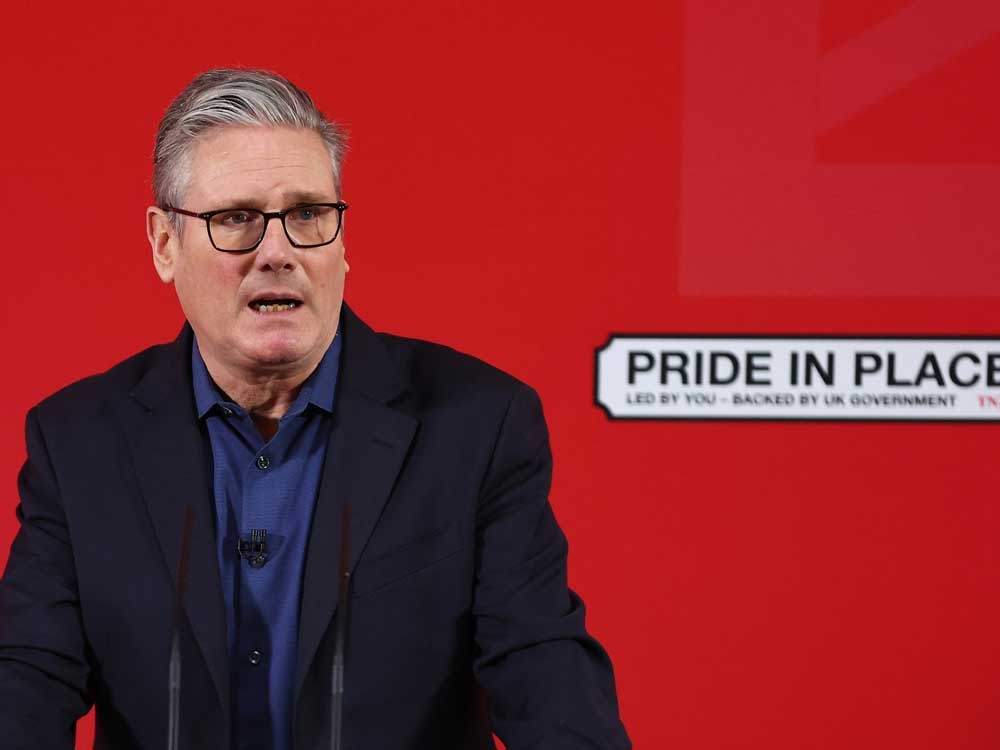
Starmer revealed he had directly questioned Mandelson about any association with Epstein, specifically inquiring about stays at his residence or acceptance of gifts. He believed he was acting on truthful information, only to discover the answers were deliberate falsehoods. The prime minister’s trust had been profoundly betrayed.
The fallout was swift and decisive. Mandelson was dismissed from his post as Britain’s ambassador to the United States in September, but the damage extended far beyond a single diplomatic position. A formal investigation into potential misconduct in public office has now been launched, though no criminal charges have been filed.
The scandal has triggered a political earthquake, shaking the foundations of Starmer’s leadership. Critics have relentlessly questioned his judgment, demanding accountability for proceeding with the appointment despite awareness of Mandelson’s ties to Epstein. The public’s response has been equally stark.
A recent poll revealed a deeply fractured electorate. A staggering 50% of Britons now believe Starmer should resign, a dramatic surge in disapproval that underscores the severity of the crisis. Only 24% believe he should remain in office, signaling a potential turning point for his premiership.
The situation continues to unfold, leaving a trail of broken trust and unanswered questions. The revelations surrounding Mandelson’s relationship with Epstein have not only exposed a potential lapse in judgment but have also reopened wounds for the victims, forcing them to relive their trauma in the harsh glare of public scrutiny.