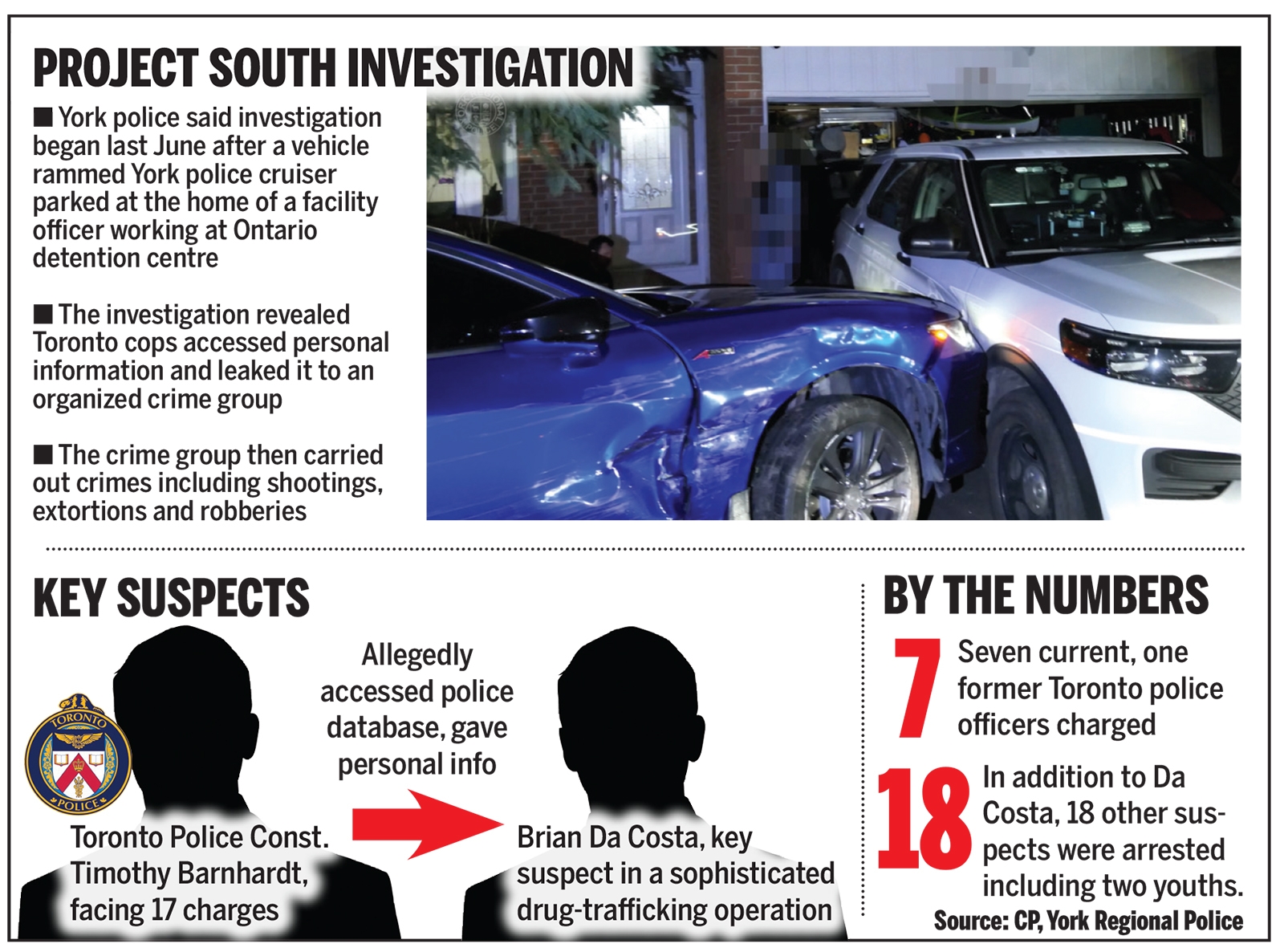
A shadow has fallen over the Toronto Police Service, a crisis of trust ignited by shocking allegations. Seven officers and one former officer now face charges in a conspiracy involving murder and corruption – a case stemming from a shooting at the home of a corrections officer. The public is left grappling with a disturbing question: can faith in the force be restored?
The initial investigation was conducted internally, a fact that immediately raises concerns about objectivity. Despite the gravity of the accusations, leadership appeared remarkably self-assured, even praising their own handling of the situation. There have been no resignations, no apologies, only assurances that the very individuals overseeing the accused will now oversee the cleanup.
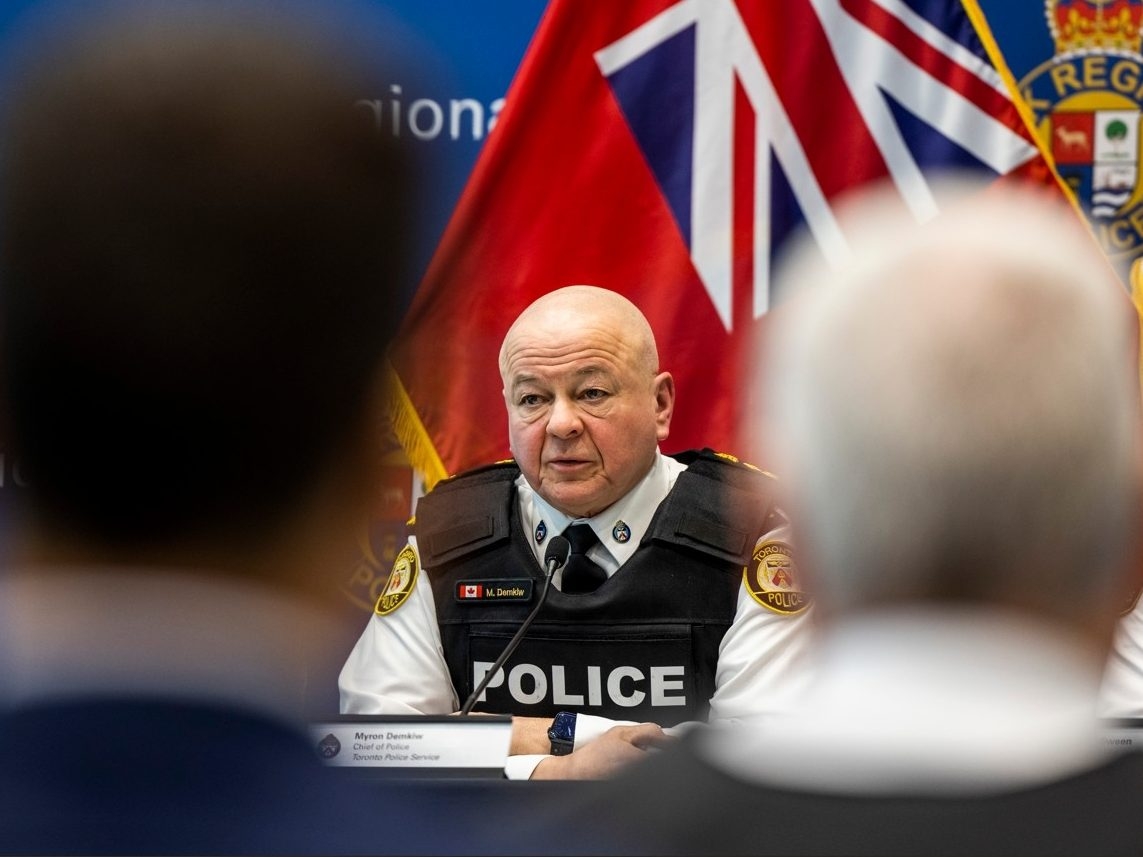
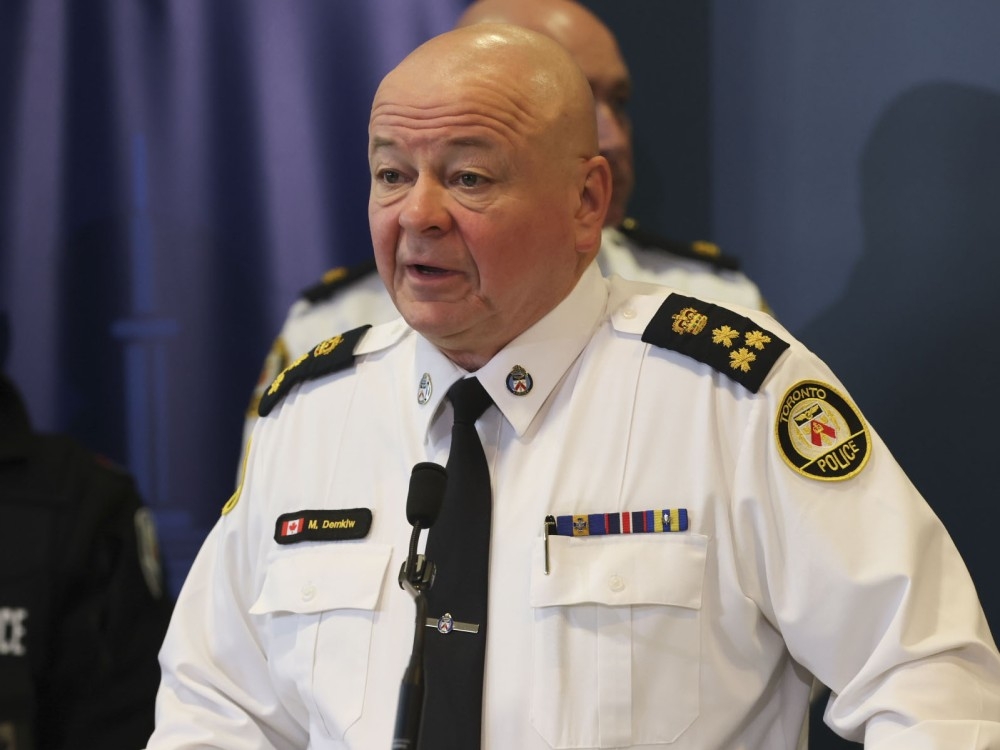
The situation feels deeply flawed. The response lacks the fundamental acknowledgement of public concern and the gravity of the accusations. Chief Demkiw’s assurances ring hollow when the alleged misconduct occurred under his direct command. The public isn’t being offered remorse, but rather a promise that those potentially complicit will investigate themselves.
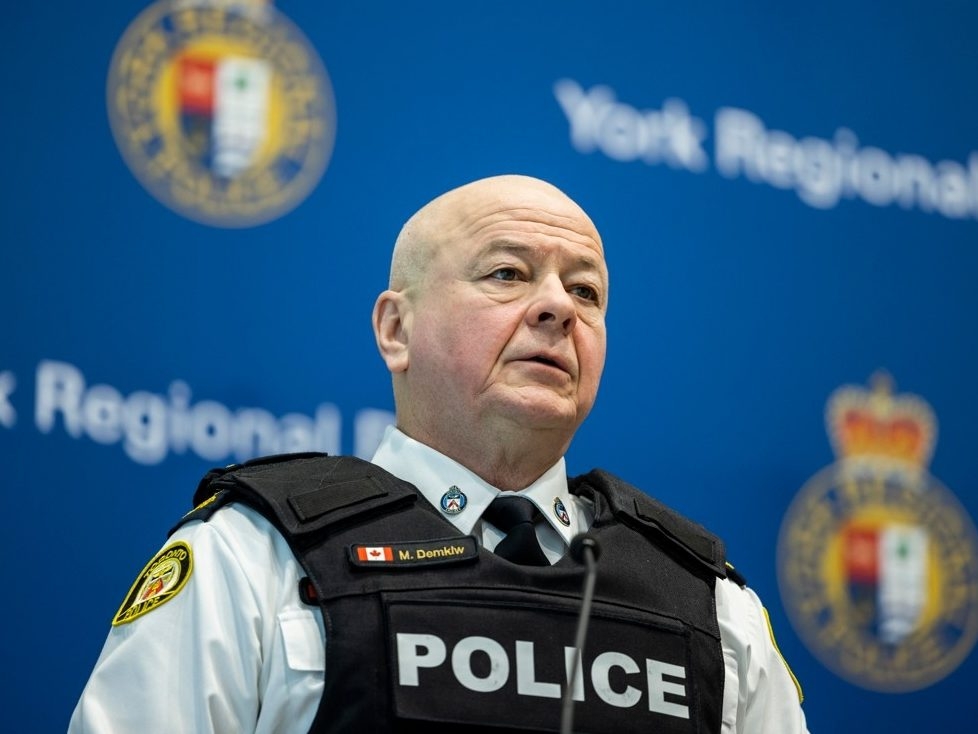
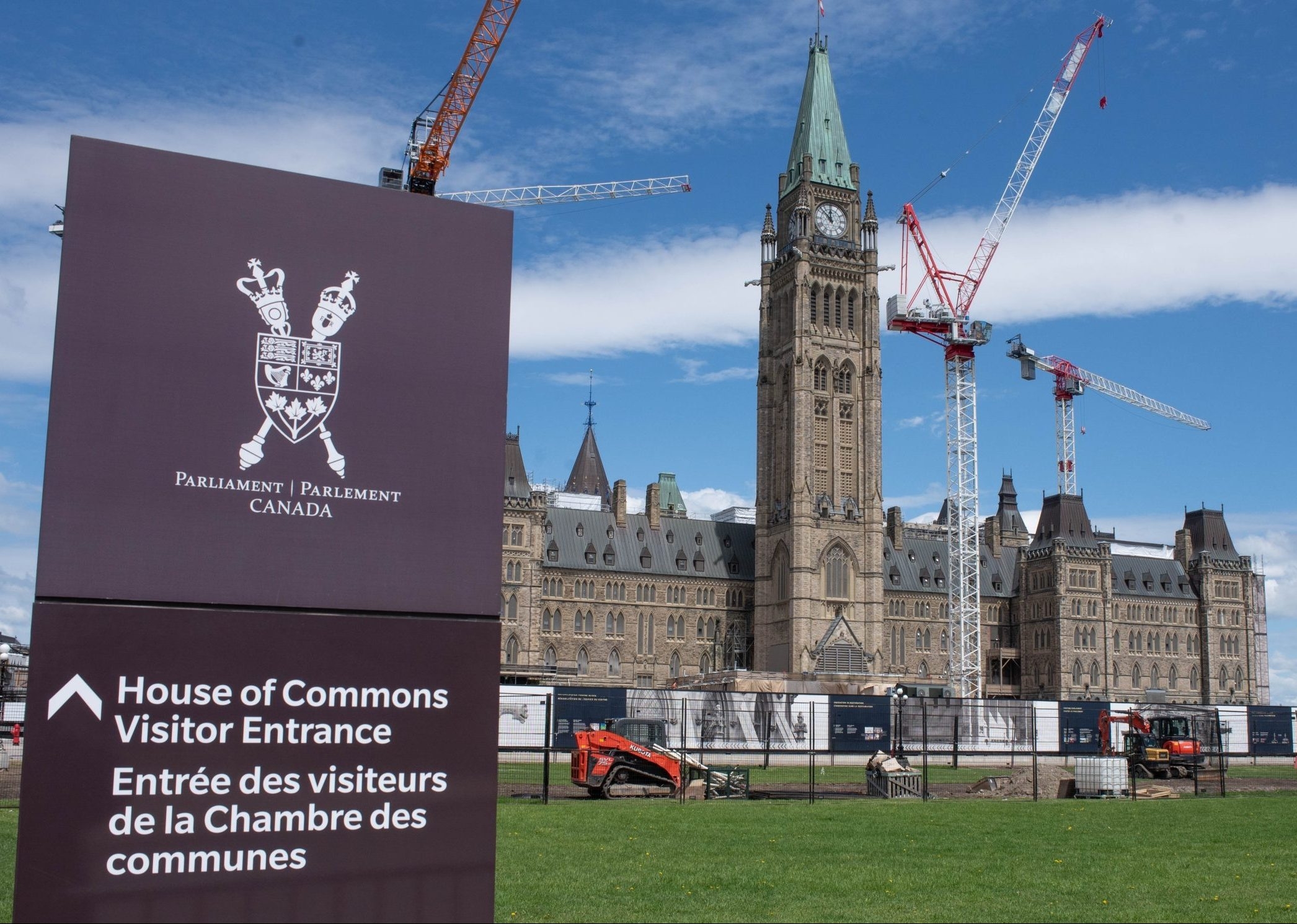
An “inspector general” has been tasked with reviewing the process, a move that feels eerily familiar. Similar oversight was applied to the handling of events in Ottawa and at the G20 summit – reviews that often arrive long after public attention has waned. By the time a report is delivered, the current Winter Olympics will be a distant memory, potentially burying the scandal in the past.
The core principle of sound policing dictates an independent investigation when allegations of corruption arise. Bringing in an outside agency – the OPP or RCMP, for example – eliminates the inherent conflict of interest. Instead, the investigation was largely handled by York Regional Police, with cooperation from the very officers now under scrutiny.
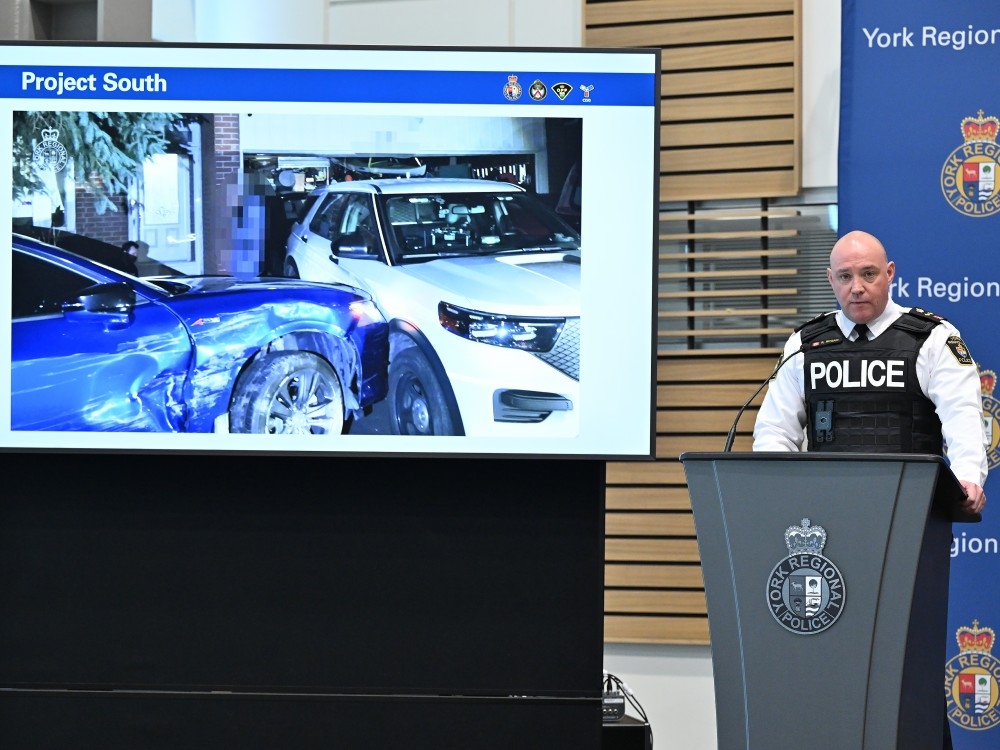
York Regional Police Chief Jim MacSween acknowledged the need for Toronto’s cooperation, but this reliance raises a critical question: does it make sense to ask those potentially involved to assist in their own investigation? What if the alleged corruption runs deeper than initially suspected? The element of surprise, crucial for a thorough probe, was compromised.
The optics are undeniably poor. The appearance of a conflict of interest is unavoidable. Chief Demkiw’s presence alongside the York Regional Police Chief during the announcement of the charges only amplified this perception. It was a moment that should have been handled with distance and deference to the independent investigation.
Trust isn’t simply declared; it’s earned. The public isn’t reassured by a chief’s statement that they *should* trust the police. They observe, they analyze, and they recognize when something feels wrong. The fact that these officers operated within departments overseen by Chief Demkiw only deepens the skepticism.
The Toronto Police Services Board insists on upholding the highest standards of professionalism and accountability, but words feel insufficient in the face of such serious allegations. While acknowledging the dedication of many officers, the focus inevitably falls on the actions of those accused and the implications for the entire service.
What is urgently needed is a truly independent investigation, one free from any appearance of internal influence. The Chief and the Police Services Board must prioritize this, demonstrating a genuine commitment to transparency and accountability. The future of public trust in the Toronto Police Service depends on it.