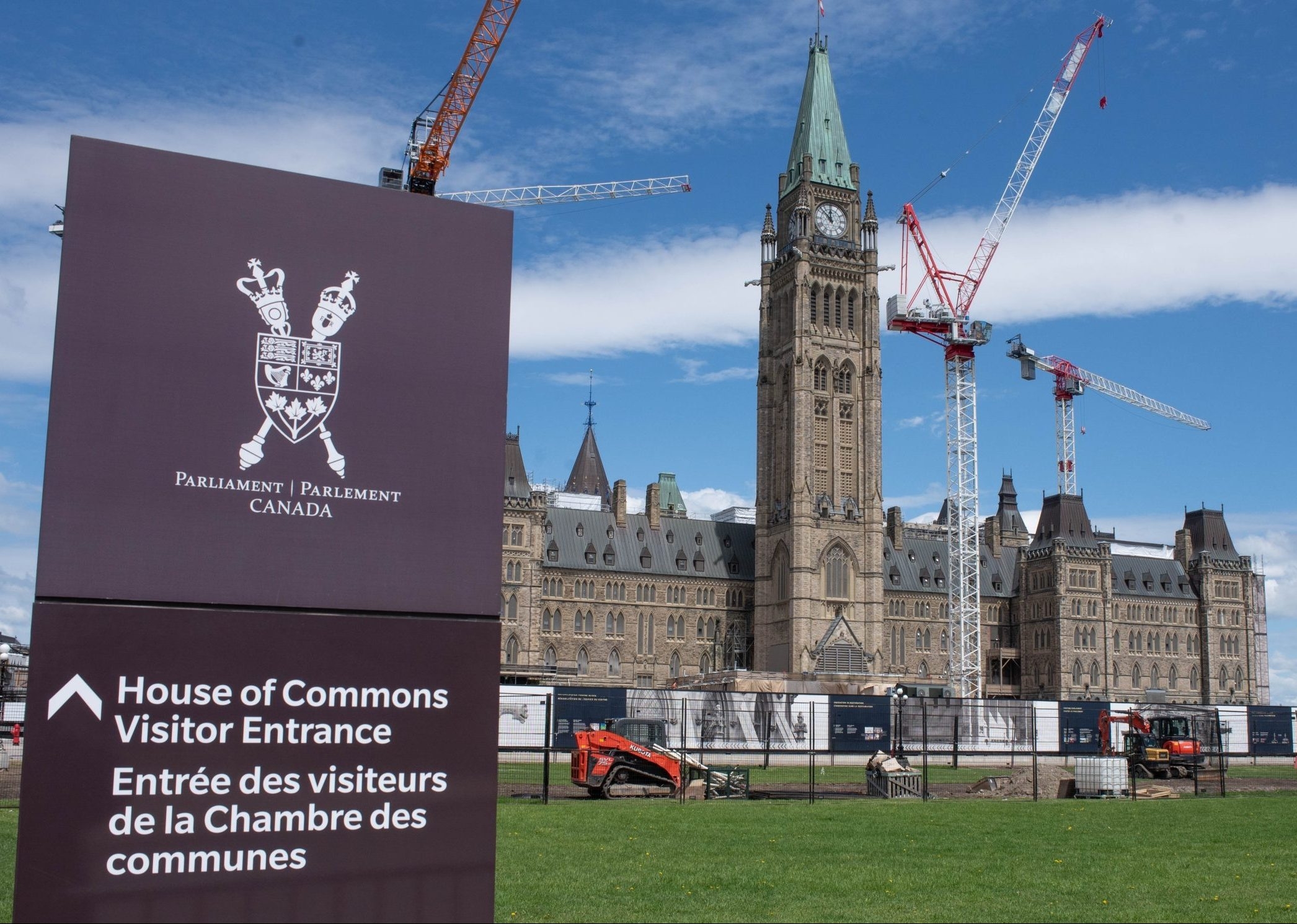
A quiet shift in Ottawa has sparked a wave of concern: Canada has dissolved its dedicated offices for combating antisemitism and Islamophobia. These roles, designed to address rising hate, are being replaced by a new “national unity committee,” a move that has left many questioning the government’s commitment to fighting prejudice.
The decision, announced this week, wasn’t framed as a cost-cutting measure, according to Canadian Identity and Culture Minister Marc Miller. Instead, the government envisions a broader approach, aiming to foster social cohesion and rally Canadians around a shared identity. The new council will draw on experts and community leaders, tasked with combating all forms of racism and hate.
However, the timing of this change is raising alarms. The October 7th attacks on Israel and the subsequent conflict in Gaza unleashed a surge in both antisemitism and Islamophobia, creating a critical need for focused leadership. B’nai Brith Canada warned against compromising efforts to address the escalating anti-Jewish hatred witnessed since the attacks.
The previous antisemitism envoy, Deborah Lyons, resigned abruptly over the summer, expressing deep discouragement at the lack of widespread condemnation of anti-Jewish sentiment within Canada. Her departure left the position vacant during a period of heightened crisis, a missed opportunity to provide crucial guidance and support.
Concerns are mounting that the new committee’s broader mandate may dilute the focus needed to effectively combat the specific challenges faced by Jewish and Muslim communities. The Canadian Antisemitism Education Foundation pointed out that current policies fail to acknowledge Jews as the most victimized minority group in Canada, experiencing the highest and continually increasing rate of hate crimes.
Critics argue that the Jewish community isn’t seeking preferential treatment, but rather equal protection and recognition of the unique threats it faces. The Canadian Civil Liberties Association echoed these concerns, labeling the decision “deeply troubling and short-sighted,” particularly given the documented rise in both antisemitism and Islamophobia across the country.
The move raises a fundamental question: can a unified approach to combating hate adequately address the distinct forms of prejudice experienced by different communities? Many fear that dissolving these specialized roles signals a weakening of Canada’s resolve in confronting the growing tide of hatred within its borders.
The composition of the new national unity committee, and the strategies it will employ, remain to be seen. For many, the coming months will be a critical test of the government’s commitment to protecting vulnerable communities and fostering a truly inclusive society.