A growing chorus of concern is echoing across international borders as the FIFA World Cup approaches, casting a shadow over the excitement surrounding the tournament. A coalition of immigrant and civil rights organizations has issued a stark travel advisory, urging foreign tourists to carefully reconsider journeys to Florida.
The advisory isn’t born of political protest, but of documented reality. Reports and legal challenges reveal a disturbing pattern: visitors, lawful residents, and even U.S. citizens are increasingly being detained, questioned, and held in immigration custody following encounters with law enforcement.
Florida, under current policies, has fostered expansive partnerships between federal immigration officials and local police. This collaboration, the groups warn, creates an environment where routine interactions can quickly escalate into immigration investigations, and even deportation proceedings.
The advisory specifically highlights the notorious detention centers within the state, facilities grimly nicknamed “Alligator Alcatraz.” These locations represent a chilling possibility for those unfamiliar with the evolving landscape of immigration enforcement.
Organizations are advising international fans to proactively protect themselves. Carrying identification at all times and registering travel plans with their respective consulates are now considered essential precautions for anyone traveling to the U.S. for the World Cup.
The groups emphasized they aren’t calling for a boycott, but the possibility remains on the table. Their primary goal is to ensure potential visitors are fully aware of the risks they may face during their stay.
This isn’t a new warning. Former FIFA President Sepp Blatter previously voiced concerns about traveling to the U.S. due to past immigration policies, foreshadowing the current anxieties.
The coalition points to a broader, more aggressive immigration crackdown, where state agencies are increasingly empowered to cooperate with federal enforcement. This expanded authority raises the specter of indiscriminate targeting.
The fear isn’t simply about legal status; it’s about the potential for harassment and wrongful detention. Advocates want assurances that fans won’t be subjected to immigration checks simply for attending a game.
The ACLU of Florida stresses the intention isn’t to instill panic, but to present a “sobering reality check.” A simple traffic stop in cities like Miami can now carry the terrifying possibility of deportation for many individuals.
Recent tragedies, including the fatal shootings of U.S. citizens by federal immigration agents, and the implementation of travel bans, further fuel these concerns. While exceptions were made for players and coaches, many potential spectators remain impacted.
Despite these warnings, FIFA President Gianni Infantino has publicly stated that “fans from all over the world will be welcome.” This statement clashes with the growing apprehension felt by many.
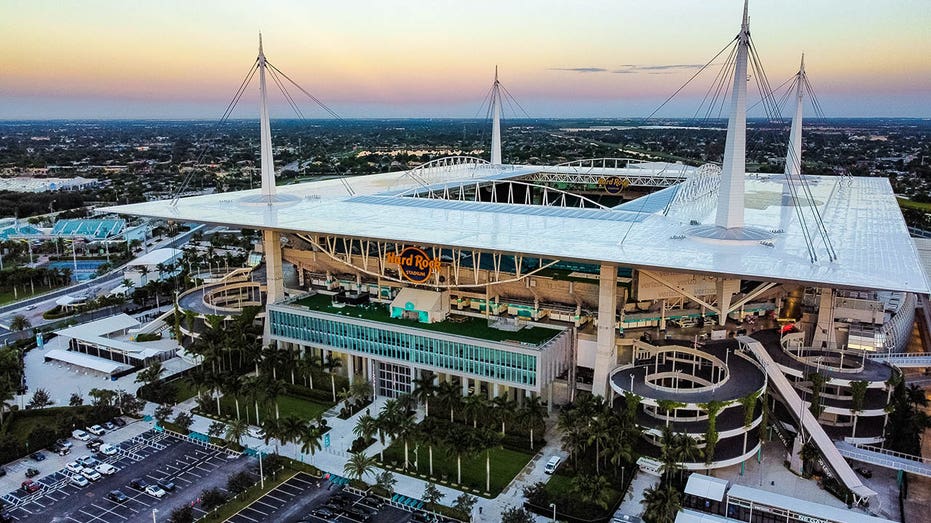
The White House has formed a task force to address logistical concerns surrounding the tournament, but has remained noncommittal regarding the possibility of immigration raids near the games, scheduled to take place in South Florida.
The situation underscores a critical tension: the desire to host a global sporting event versus the realities of a rapidly changing and increasingly stringent immigration landscape. The coming months will determine how these forces ultimately collide.